
Why Garden Mulching Pays Off Over Time

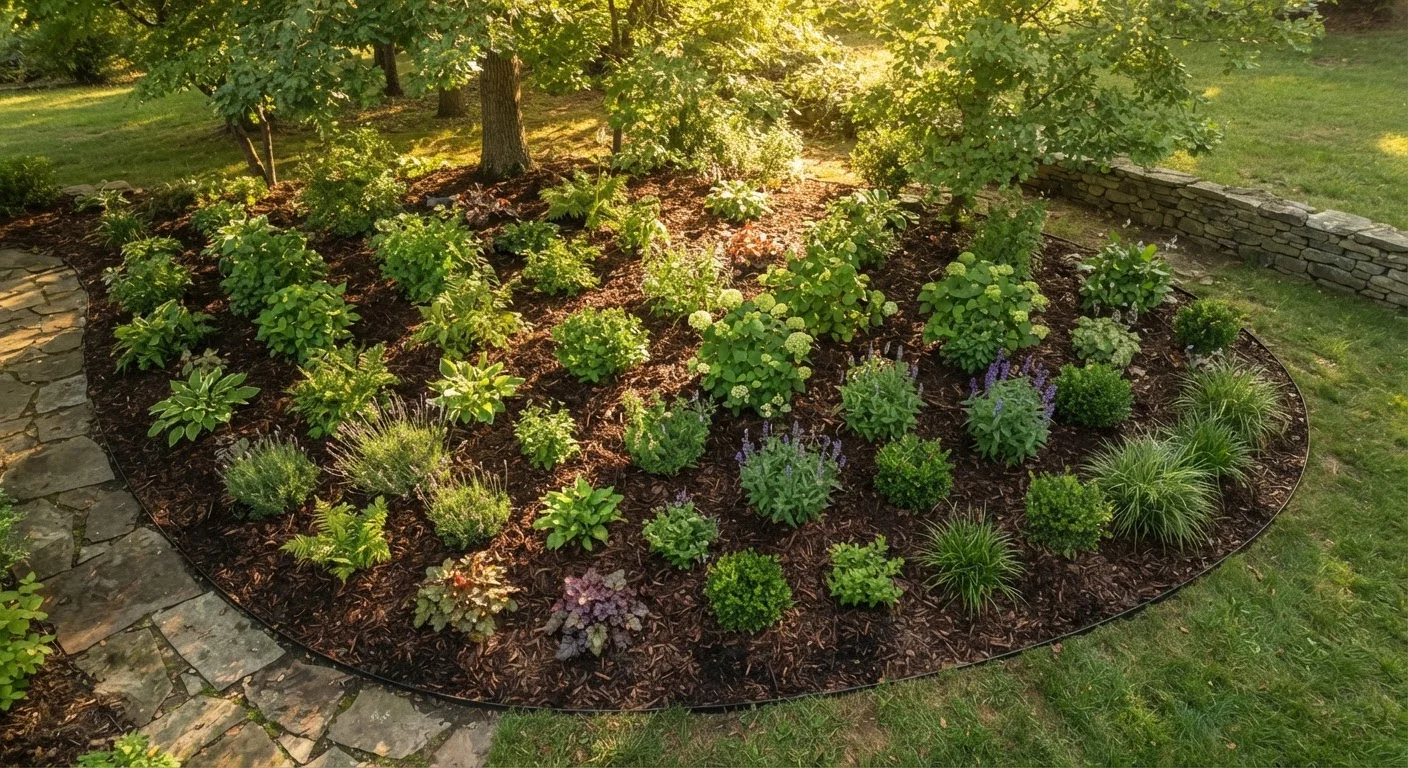
Photo: faqsvault.com editorial
Key Takeaways
- Mulch reduces soil moisture loss, meaning plants need less frequent watering.
- A 2–4 inch layer of mulch significantly suppresses weed germination and growth.
- Organic mulches decompose over time, improving soil structure and fertility.
- Mulch moderates extreme soil temperatures in both summer heat and winter cold.
- Choosing the right mulch type depends on your garden goals, plants, and local climate.
What Mulch Actually Does in Your Garden
Mulch is one of the most versatile tools in a gardener's toolkit, yet it's often treated as purely cosmetic — something to make beds look tidy. In reality, a properly applied layer of mulch is working around the clock beneath the surface, influencing soil health, plant vigor, and your own workload in ways that compound over seasons.
At its most basic, mulch forms a physical barrier between the soil and the open air. That barrier interrupts several processes simultaneously: it slows water evaporation from the soil surface, blocks sunlight that weed seeds need to germinate, and cushions the soil against temperature extremes. Whether you're working with a vegetable patch, a perennial border, or newly planted trees and shrubs, these functions translate into more resilient plants and less routine maintenance.
Mulch falls into two broad categories. Organic mulches include materials like wood chips, shredded bark, straw, grass clippings, and leaf mold. These break down gradually, contributing organic matter to the soil. Inorganic mulches — gravel, pebbles, and landscape fabric — don't decompose and offer more permanent coverage without soil amendment benefits. For most home gardeners focused on soil health, organic types tend to offer more long-term value.
The Moisture Equation: Less Watering, Healthier Roots
One of mulch's most immediate benefits is moisture retention. When bare soil is exposed to sun and wind, water evaporates rapidly from the surface — sometimes within hours of rainfall or irrigation. A 2–4 inch layer of organic mulch can meaningfully slow this process, giving plant roots longer access to available moisture between watering sessions.
This matters especially in summer months and in drier climates, where soil can transition from moist to bone dry within a day or two. Mulched beds stay consistently moist at root depth, which encourages deeper, more robust root growth. Shallow-rooted plants — which develop when only the surface layer stays wet — are far more vulnerable to drought stress.
Pairing mulch with an efficient watering approach can amplify these gains. If you're weighing irrigation options, our guide to drip irrigation vs. sprinkler systems explains how water delivery method interacts with soil moisture management.
Avoid Piling Mulch Against Stems
It's also worth noting that mulch reduces the risk of overwatering by evening out soil moisture levels. If you've ever struggled to tell whether your plants need water or have had too much, see our piece on overwatering signs and fixes for helpful context.
Weed Suppression: How Mulch Interrupts the Cycle
Weeds are opportunists — they exploit bare, disturbed soil and need light to germinate. A consistent mulch layer deprives weed seeds of the light they need, dramatically reducing germination rates in the beds you maintain. This isn't a guarantee of zero weeds, but it substantially cuts down the time spent pulling them.
Weed seeds that blow in from outside the garden and land on top of mulch often struggle to establish, since they can't easily reach the soil below. The few weeds that do push through tend to be shallowly rooted and quick to pull. In contrast, unmulched beds can generate dense weed populations that compete directly with desirable plants for water, nutrients, and space.
2–4 inches
Optimal mulch depth for weed suppression and moisture retention
Horticultural guidance consistently identifies this depth range as effective without risking root suffocation or moisture blockage.
~50%
Potential reduction in soil moisture loss with mulch
Research from university cooperative extension programs suggests mulched soils can lose significantly less moisture through evaporation compared to bare soil under similar conditions.
3 inches
Minimum clearance between mulch and plant stems
Keeping mulch pulled back from stems and trunks is a standard best practice recommended by arborists and extension horticulturalists to prevent rot and pest issues.
Consistent weed control also matters for plant productivity. This connects well to broader planting strategies — whether you're growing in raised beds or directly in the ground, mulch plays a role in either system. Our comparison of raised beds vs. in-ground planting covers how each approach handles weed management and soil maintenance differently.
How Organic Mulch Builds Better Soil Over Time
Unlike inorganic options, organic mulches are temporary by design — and that's a feature, not a flaw. As wood chips, straw, or shredded leaves break down, they introduce organic matter into the soil below. This decomposition feeds soil microorganisms, improves drainage in clay soils, and increases water retention in sandy soils. The result, over multiple seasons, is a richer, more biologically active growing medium.
This process mirrors what composting achieves, just applied directly to the soil surface rather than pre-processed in a pile. If you're interested in accelerating this soil improvement, composting kitchen scraps is a complementary practice that feeds your beds from below while mulch feeds them from above.
Soil structure improvement also matters for root penetration, drainage, and the long-term fertility of your garden — benefits that grow more pronounced with each season of consistent mulching.
Temperature Buffering Through the Seasons
Soil temperature swings — between a hot July afternoon and a cool July night, or between late fall and a hard frost — stress plant roots. Mulch acts as insulation in both directions: it slows the soil from overheating in summer and extends warmth into the shoulder seasons, giving plants more stable conditions in which to grow.
In fall, applying or refreshing mulch before the first hard frost helps protect perennial root systems and soil biology through winter. This is a standard step in seasonal garden maintenance — our end-of-season garden checklist covers this and other winterizing tasks in detail.
In spring, mulch helps soils warm more evenly once removed or thinned, and microclimate effects can interact with mulch placement to influence where heat is retained longest. Understanding those site-specific factors is covered in our piece on garden microclimates.
Choosing and Applying Mulch Practically
The right mulch depends on what you're growing and what you want to achieve. Wood chips and shredded bark are durable, long-lasting, and well-suited to shrub borders and tree surrounds. Straw works well in vegetable gardens — it's lightweight, inexpensive, and breaks down quickly to feed the soil. Grass clippings are a free resource but should be applied in thin layers to avoid matting. Shredded leaves are excellent and often available for free in autumn.
For application, aim for a 2–4 inch layer across the bed. Keep mulch pulled 2–3 inches back from plant stems, tree trunks, and any wooden structures to prevent moisture-related rot and discourage pests from nesting right against your plants. Refresh organic mulches as they thin out — typically once a year or every two years, depending on how quickly they decompose in your climate.
Mulching pairs naturally with companion planting strategies that also work to suppress weeds and improve growing conditions. Our look at what companion planting actually does offers a grounded view of how these approaches can work together.
Frequently Asked Questions
All published content on this website is for informational and educational purposes only and should not be taken as professional advice. We recommend that readers seek expert opinion before making any decisions. The website is not responsible for any actions taken based on the information provided on this website. We are not liable for any inaccuracies, modifications, or omissions in information. Moreover, external links or third-party content are provided for convenience; we are not liable for their correctness. Users are advised to verify every piece of information before they use it for any purpose.