
Understanding Garden Microclimates and How to Use Them

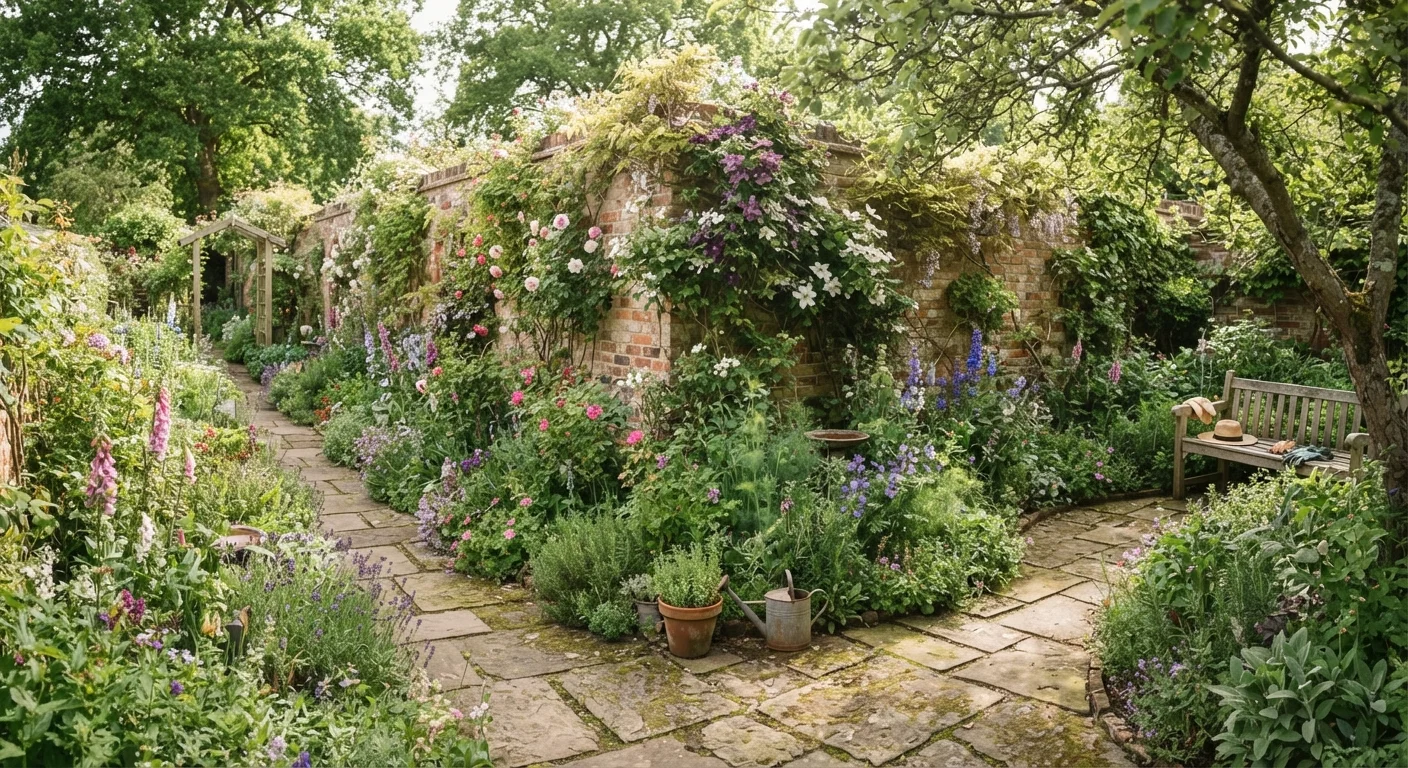
Photo: faqsvault.com editorial
Key Takeaways
- Every garden contains multiple microclimates shaped by structures, slopes, and surface materials.
- South- and west-facing walls typically create the warmest, most sheltered pockets in US gardens.
- Low-lying areas accumulate cold air overnight, creating frost pockets that harm tender plants.
- Mapping your microclimates before planting lets you place the right plant in the right spot.
- Paved or pebbled surfaces absorb and radiate heat, creating noticeably warmer nearby conditions.
- Identifying cold and warm zones helps you extend your growing season at both ends.
Why Microclimates Matter More Than You Might Think
Most gardeners plan their plantings based on their USDA Hardiness Zone or their region's average last frost date. Those are useful starting points, but they describe broad regional averages — not the specific conditions six inches from your south-facing fence or at the bottom of that gentle slope near your back gate.
In reality, a single suburban backyard can contain four or five meaningfully different growing environments. The microclimate next to a warm brick wall might let you overwinter a plant rated one zone warmer than your region. Meanwhile, a dip in your lawn could kill tender seedlings with a surprise late frost that the rest of the garden shrugs off.
Working with your microclimates — rather than ignoring them — is one of the most practical, cost-free improvements any gardener can make. It reduces plant losses, extends the season, and lets you grow things you assumed were impossible in your area.
What Creates a Microclimate?
Several common garden features alter local temperature, humidity, and wind enough to create a distinct microclimate:
- Walls and fences: Masonry and brick absorb solar heat during the day and release it slowly at night, keeping nearby air noticeably warmer. A south- or west-facing wall is typically the warmest spot in a US garden.
- Slopes and grade changes: Cold air is dense and flows downhill like water, pooling in hollows and low spots. Elevated areas or mid-slope positions often escape the worst frosts.
- Hard surfaces: Concrete patios, gravel paths, and dark paving absorb and radiate substantial heat. Beds bordering these surfaces stay warmer and dry out more quickly.
- Structures and trees: Overhangs, pergolas, and tree canopies create dry, shaded zones beneath them. Rain shadow is a real effect — beds under a wide eave may need far more watering than open beds nearby.
- Bodies of water: Even a small pond moderates temperature swings, keeping nearby air slightly warmer on cold nights and slightly cooler on hot days.
Microclimates Vary by Season
These same principles apply whether you're working with a spacious backyard or a compact urban plot. See our guide to growing food in small spaces for how to exploit walls and containers when ground space is limited.
How to Map Your Garden's Microclimates
Mapping doesn't require any special equipment. A notebook, a few seasons of observation, and some attention to detail are enough to build a useful picture.
- Track frost timing: After a frost event, check where ice lingers longest and where it disappears first. Mark these areas on a rough sketch of your garden.
- Observe soil moisture: After rainfall, notice which beds drain quickly and which stay soggy. Spots that dry out rapidly indicate warm, well-drained microclimates; consistently wet areas suggest compacted soil, shade, or low-lying terrain.
- Monitor sun movement: Step outside at 9 a.m., noon, and 3 p.m. on clear days across different seasons and note where direct light falls. Spots that get full sun in summer may be heavily shaded once trees leaf out.
- Feel for wind: On breezy days, identify exposed corners where wind funnels through gaps and sheltered pockets where the air is still. Wind dramatically increases water loss and cold stress on plants.
Pair these observations with your seasonal gardening calendar to record what you notice at each time of year. Patterns become clear within one full growing cycle.
Putting Microclimates to Work in Your Planting Plan
Once you know where your warm and cold spots are, you can assign plants strategically rather than guessing.
Warm wall pockets are ideal for marginally hardy plants, heat-loving herbs like rosemary and basil, and fruiting plants such as figs or espalier-trained apples that benefit from reflected warmth. Our guide to growing herbs outdoors covers exactly which herbs thrive in these warmer, sheltered positions.
Frost pockets should generally be avoided for tender perennials, early-blooming fruit trees, and anything you start outdoors before the last frost date has passed. Reserve these spots for hardy, late-blooming plants or cold-tolerant vegetables.
Dry, rain-shadow areas are perfect for drought-tolerant plants — lavender, sedums, ornamental grasses — that resent waterlogged soil. Applying a layer of mulch in these zones helps retain what little moisture they do receive.
Sheltered, humid spots beneath canopies or in north-facing corners suit ferns, hostas, and shade-tolerant woodland plants that wilt in direct afternoon sun.
Using Microclimates to Extend Your Growing Season
One of the most practical benefits of microclimate awareness is season extension. A warm south-facing bed warms up weeks earlier in spring than an exposed north-facing border. Starting cool-season crops like lettuce, spinach, or radishes in these pockets can buy you two to four additional weeks of harvests on either side of summer.
In fall, the same warm microclimate delays first frost damage, keeping tender herbs and late-season tomatoes productive longer than they would otherwise survive. Combined with simple row covers or cold frames placed strategically in your warmest zones, season extension becomes genuinely meaningful.
Before winter arrives fully, review what you've learned about your microclimates and use that knowledge to decide which plants need protection and which are sited well enough to fend for themselves. Our end-of-season garden shutdown checklist walks through protecting perennials and preparing beds based on their specific exposure and conditions.
Frequently Asked Questions
All published content on this website is for informational and educational purposes only and should not be taken as professional advice. We recommend that readers seek expert opinion before making any decisions. The website is not responsible for any actions taken based on the information provided on this website. We are not liable for any inaccuracies, modifications, or omissions in information. Moreover, external links or third-party content are provided for convenience; we are not liable for their correctness. Users are advised to verify every piece of information before they use it for any purpose.