
Everything You Need to Know About Growing Herbs Outdoors

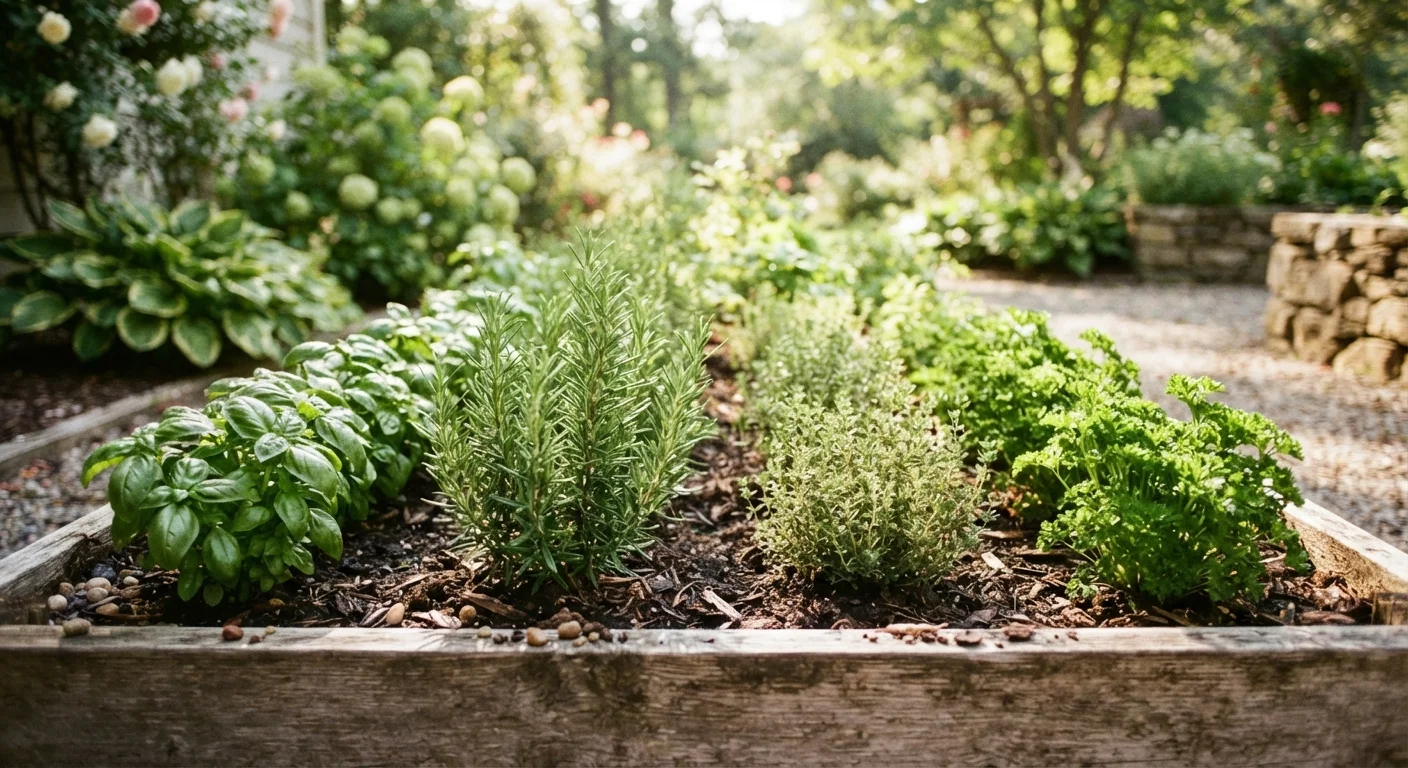
Photo: faqsvault.com editorial
Key Takeaways
- Most culinary herbs need at least six hours of direct sunlight daily to thrive outdoors.
- Well-drained soil is the single most important condition for preventing root rot in herbs.
- Perennial herbs like rosemary and thyme return each year; annuals like basil must be replanted.
- Regular harvesting encourages bushier growth and delays flowering, extending your harvest window.
- Many tender herbs can be potted up and brought indoors before the first frost to continue producing.
- Grouping herbs by water needs prevents overwatering drought-tolerant Mediterranean varieties.
Choosing the Right Location
Site selection is the foundation of a productive herb garden. The vast majority of culinary herbs — basil, thyme, rosemary, oregano, sage, and parsley among them — originate from sun-drenched Mediterranean or tropical climates. That ancestry means they perform best in a spot that receives a minimum of six hours of direct sun each day. A south- or southwest-facing bed or border is typically ideal for most US regions.
Before you commit to a location, observe how sunlight moves across your yard at different times of day. Structures, fences, and mature trees can cast more shade than you expect. If you're working with a tricky yard, our guide to understanding garden microclimates can help you identify warm, sheltered pockets that often outperform an obvious but exposed bed.
Proximity to your kitchen door is also worth considering. Herbs you can snip on the way in to cook are herbs you will actually use. A raised bed near a patio or a cluster of pots beside a back door can be just as productive as a dedicated garden plot — and far more convenient. For compact spaces, see our article on growing food in small spaces.
Soil Preparation and Drainage
Herbs are not heavy feeders, but they are unforgiving of poor drainage. Waterlogged roots are the leading cause of failure in outdoor herb gardens, particularly for Mediterranean herbs like lavender, thyme, and sage. Before planting, assess your existing soil by digging a hole about 12 inches deep and filling it with water. If it hasn't drained within an hour, you need to improve drainage before planting.
For clay-heavy soils, work in generous amounts of coarse horticultural grit or perlite, along with a few inches of well-rotted compost. This opens up the soil structure and improves drainage without eliminating moisture retention entirely. Raised beds — filled with a loam-based mix combined with grit — sidestep drainage problems altogether and are one of the most reliable approaches for herb growing.
Avoid over-enriching the soil with high-nitrogen fertilizers or heavy compost. Rich soil encourages leafy growth but dilutes the essential oils that give herbs their flavor and fragrance. A moderately fertile, slightly lean soil actually produces more aromatic, flavorful herbs than a heavily amended bed. If you're building up soil health over time, composting kitchen scraps is a cost-effective way to add gentle, balanced nutrients.
When preparing a new herb bed, resist the urge to add large amounts of compost or fertilizer. A lean, gritty soil actually intensifies the aromatic oils that make herbs flavorful — lean soil is a feature, not a flaw.
Rather than sowing a full packet of cilantro or dill at once, sow small batches every three weeks from late spring through midsummer. This succession approach keeps fresh, non-bolted leaves coming to the table continuously.
Which Herbs Grow Best Outdoors
Understanding whether an herb is annual, biennial, or perennial saves frustration and helps you plan your garden year to year.
- Hardy perennials (return each year in most US zones): thyme, rosemary, sage, chives, mint, oregano, and tarragon. Plant once and they'll establish permanent patches.
- Half-hardy annuals (must be replanted each season): basil, cilantro, and dill. These bolt quickly in heat or cold, so succession sowing every three to four weeks extends your harvest.
- Biennials: flat-leaf parsley completes its life cycle over two years — treat it as an annual for simplicity and sow fresh plants each spring.
Mint deserves a special mention: it spreads aggressively via underground runners and will take over a bed if left unchecked. Plant mint in a container sunk into the ground to contain its roots, or grow it in a dedicated pot.
If you're new to food gardening in general, our guide to starting a vegetable garden from zero covers companion planning strategies that work equally well when adding herbs alongside vegetables.
Planting, Spacing, and Watering
Transplant seedlings or starter plants outdoors after your last frost date — check the USDA Hardiness Zone map for your region. For seeds, start basil and parsley indoors six to eight weeks before the last frost date, then harden off seedlings over seven to ten days by gradually increasing their outdoor exposure before planting out.
Spacing matters more than most beginners expect. Crowded herbs compete for air circulation, which invites fungal disease, and for root space, which stunts growth. General spacing guidelines:
- Basil: 10–12 inches apart
- Thyme, oregano: 12–18 inches apart
- Rosemary, sage: 18–24 inches apart (they get large)
- Chives, parsley: 6–9 inches apart
Water deeply but infrequently — most herbs prefer soil that dries out somewhat between waterings. Grouping plants by water need avoids the common mistake of overwatering drought-tolerant herbs while under-watering moisture-loving ones like basil and chives. Water at the base of plants rather than overhead to reduce fungal pressure. A season-by-season gardening calendar can help you time watering and feeding tasks through spring and summer.
Harvesting for Maximum Yield
The cardinal rule of herb harvesting: pick often and pick early. Regular harvesting is not just about getting what you need from the plant — it actively stimulates new, bushy growth and delays the plant going to flower (a process called bolting). Once a plant flowers and sets seed, leaf production slows significantly and flavor often becomes more bitter or muted.
Always harvest from the top of stems, cutting just above a leaf node or pair of leaves. For most herbs, remove no more than one-third of the plant at a single harvest to avoid stressing it. Morning harvesting — after dew has dried but before afternoon heat — typically yields the most flavorful leaves, when essential oil concentrations are at their peak.
For basil specifically, pinch out any flower buds as soon as you see them forming. This simple habit alone can extend a productive basil plant's life by several weeks into late summer.
Overwintering and End-of-Season Care
As temperatures drop in fall, your strategy depends on whether each herb is hardy in your zone. Hardy perennials like thyme, chives, and established rosemary can stay in the ground with minimal protection. In zones 6 and colder, a layer of straw mulch around the root zone after the first hard frost helps insulate against freeze-thaw cycles that can heave roots out of the ground.
Tender herbs — basil foremost among them — should be harvested heavily before the first frost, then either composted or used for preserving (pesto, herb oils, or freezing). If you want to continue harvesting rosemary or a favorite sage through winter, pot them up in late summer, allow them to acclimate gradually to indoor conditions, and move them to a bright, cool windowsill.
Cut back woody perennials like sage and thyme by about one-third in early fall, but avoid hard pruning into old wood — this can prevent regrowth in spring. Our detailed checklist on end-of-season garden shutdown covers the broader task of closing down beds, protecting perennials, and preparing your plot for a strong spring return.
With thoughtful planning across site, soil, and seasonal care, an outdoor herb garden is one of the most rewarding and low-cost additions any home gardener can make. The payoff — fresh, flavorful herbs steps from your kitchen — is immediate and ongoing.
All published content on this website is for informational and educational purposes only and should not be taken as professional advice. We recommend that readers seek expert opinion before making any decisions. The website is not responsible for any actions taken based on the information provided on this website. We are not liable for any inaccuracies, modifications, or omissions in information. Moreover, external links or third-party content are provided for convenience; we are not liable for their correctness. Users are advised to verify every piece of information before they use it for any purpose.