
Starting a Vegetable Garden from Zero

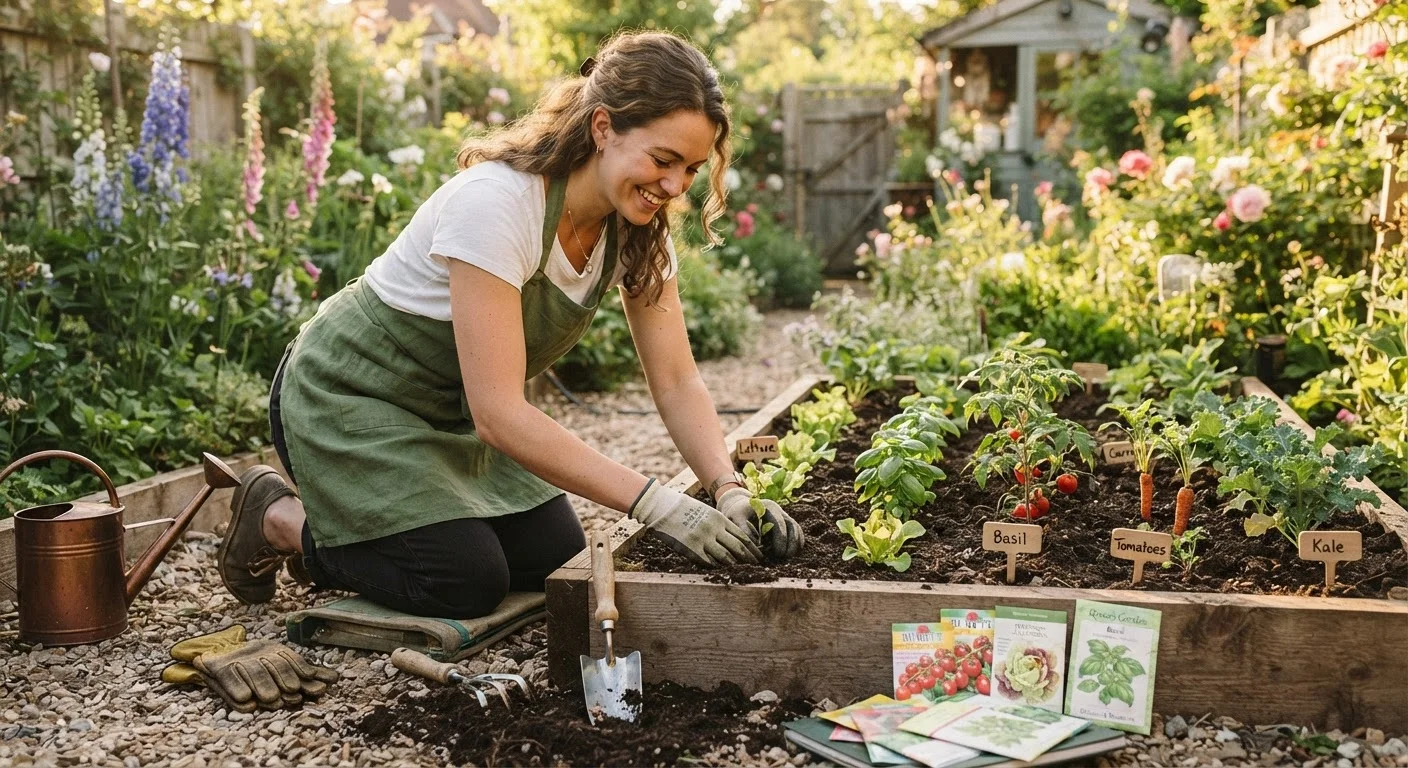
Photo: faqsvault.com editorial
Key Takeaways
- Six or more hours of direct sun is the single most important factor in choosing a garden site.
- Starting small — even one raised bed — reduces overwhelm and improves your success rate.
- Healthy, well-drained soil rich in organic matter is the foundation of a productive vegetable garden.
- Beginner-friendly crops like lettuce, zucchini, and green beans reward new gardeners with reliable harvests.
- Consistent watering at the root zone matters far more than occasional deep soaks from above.
- Keeping a simple garden journal helps you learn what worked and improve each growing season.
Choosing the Right Spot
Location is everything in vegetable gardening. Before you spend a dollar on seeds or soil, observe your yard through the day and identify where sunlight falls and for how long. Most vegetables need a minimum of six hours of direct sun daily — eight or more is even better. Short on sun? Leafy greens like lettuce and spinach tolerate partial shade better than fruiting crops like tomatoes or peppers.
Beyond light, look for a spot with reasonable access to water, relatively level ground, and good air circulation. Avoid planting directly under large trees, which compete aggressively for water and nutrients and can create heavy shade. If your yard has no suitable in-ground space, a patio, balcony, or even a sunny driveway edge can support a container or raised-bed garden. Our guide to growing food in small spaces covers those scenarios in detail.
Check Local Extension Resources
Deciding What to Grow
The best first garden is a small, focused one. Resist the urge to plant twenty different crops in your first season — start with five or six that you'll actually enjoy eating. Beginner-friendly vegetables include cherry tomatoes, zucchini, green beans, lettuce, radishes, and cucumbers. These tend to germinate reliably, grow quickly, and give you clear feedback about what's working.
Think about how your family cooks. A bed full of kale is wasted if nobody eats it. Factor in what will actually make it onto the dinner table. You might also consider adding a few herbs alongside your vegetables — they're compact, productive, and useful in the kitchen daily. Our in-depth companion piece on growing herbs outdoors walks through everything from site selection to harvest.
Hardiness zone
A geographic region defined by its average minimum winter temperature, used to determine which plants are likely to survive and thrive there. The USDA publishes a widely used zone map for the US.
Direct sowing
Planting seeds directly into the garden bed rather than starting them indoors in pots first. Crops like beans, carrots, and radishes are typically direct sown.
Transplant
A young plant started from seed indoors or purchased as a seedling, then moved into the garden once conditions are right. Tomatoes and peppers are commonly grown as transplants.
Frost date
The average calendar date of the last spring frost or first fall frost in your area. It is used to time planting — warm-season crops go in after the last spring frost.
Soil amendment
Any material, such as compost, aged manure, or perlite, mixed into soil to improve its structure, drainage, or nutrient content.
Raised bed
A contained growing area built above ground level, filled with a custom soil mix. It offers better drainage and warms up faster in spring than in-ground plots.
Companion planting
Growing different plants near each other because they benefit one another — for example, by deterring pests, attracting pollinators, or improving growth.
Thinning
Removing some seedlings from a row so the remaining plants have enough space, light, and nutrients to grow to their full size.
Preparing the Soil
Good soil is the single greatest investment you can make in your garden. Vegetable plants need loose, well-drained soil rich in organic matter to put down strong roots and take up nutrients effectively. If you're building a raised bed, fill it with a quality blend of compost, topsoil, and a porous material like perlite or coarse sand to ensure drainage.
For in-ground beds, remove grass and weeds first — either by digging them out or using a no-dig sheet mulch method — then work in a generous layer of compost, at least two to three inches, before planting. Avoid walking on your prepared bed to prevent compaction. A simple soil test (available through your local cooperative extension service or garden center) will tell you your soil's pH and key nutrient levels, so you can amend only what's actually needed rather than guessing.
Building richer soil over time is an ongoing process. Starting a home compost system is one of the most cost-effective ways to keep feeding your beds each year — see our guide to composting at home for a practical introduction.
Planting and Early Care
Once your soil is ready and your last frost date has passed (for warm-season crops), it's time to plant. Some vegetables — beans, carrots, radishes, beets — do best when direct sown into the garden. Others, like tomatoes and peppers, are typically grown from transplants you start indoors 6–8 weeks before your frost date, or purchase as seedlings from a nursery.
Follow the spacing guidance on seed packets or plant tags carefully. Crowded plants compete for light and airflow, which increases disease pressure. After planting, water gently at the root zone rather than overhead, and apply a layer of mulch — straw, wood chips, or shredded leaves — around plants to retain moisture, suppress weeds, and regulate soil temperature.
Your plants will need consistent moisture, especially while establishing roots. Water deeply a few times a week rather than sprinkling lightly every day. Watch your seedlings closely in the first few weeks — drooping, yellowing, or slow growth often signals a simple issue like inconsistent watering or too little sun.
Start With a Garden Journal
Managing Pests and Problems
Every vegetable garden encounters pests and diseases. The key is early identification and a measured response. Walk through your garden every few days and look at both sides of leaves, stems, and the soil surface. Spotting a problem early — before it spreads — gives you far more options than discovering it after damage is widespread.
Many common garden pests can be managed without reaching for chemicals, which matters especially in an edible garden. Aphids can often be knocked off with a firm stream of water. Slugs are deterred by coarse barriers or traps. Row covers of lightweight fabric can exclude flying insects from young plants. For a thorough look at evidence-based approaches, see our guide to natural pest control for edible gardens.
Disease problems — wilting, spots, mold — are often related to excess moisture or poor airflow. Water at the base of plants, space them adequately, and remove any diseased foliage promptly to slow the spread.
Keeping Momentum Through the Season
A vegetable garden rewards regular attention more than occasional heroic effort. Set a routine of brief, frequent visits — watering, weeding, harvesting — rather than infrequent marathons. Harvesting crops at their peak not only gives you the best flavor but also encourages the plant to keep producing. Leaving zucchini or beans unharvested signals the plant to slow down.
As the season progresses, some crops will finish while space opens up for a second planting — a practice called succession planting. Cool-season greens that bolted in summer can often be replanted in late summer for a fall harvest. Keeping a simple garden journal of what you planted, when, and how it performed will make your second season noticeably easier than the first.
Starting a vegetable garden from zero is genuinely one of the most satisfying beginner projects a homeowner can take on — it's low-cost, low-risk, and produces something tangible and useful. For perspective on how other first-time projects compare in terms of planning and approach, you might also find our guide to starting your first home improvement project a useful companion read.
Frequently Asked Questions
All published content on this website is for informational and educational purposes only and should not be taken as professional advice. We recommend that readers seek expert opinion before making any decisions. The website is not responsible for any actions taken based on the information provided on this website. We are not liable for any inaccuracies, modifications, or omissions in information. Moreover, external links or third-party content are provided for convenience; we are not liable for their correctness. Users are advised to verify every piece of information before they use it for any purpose.