
Natural Pest Control Methods for Edible Gardens

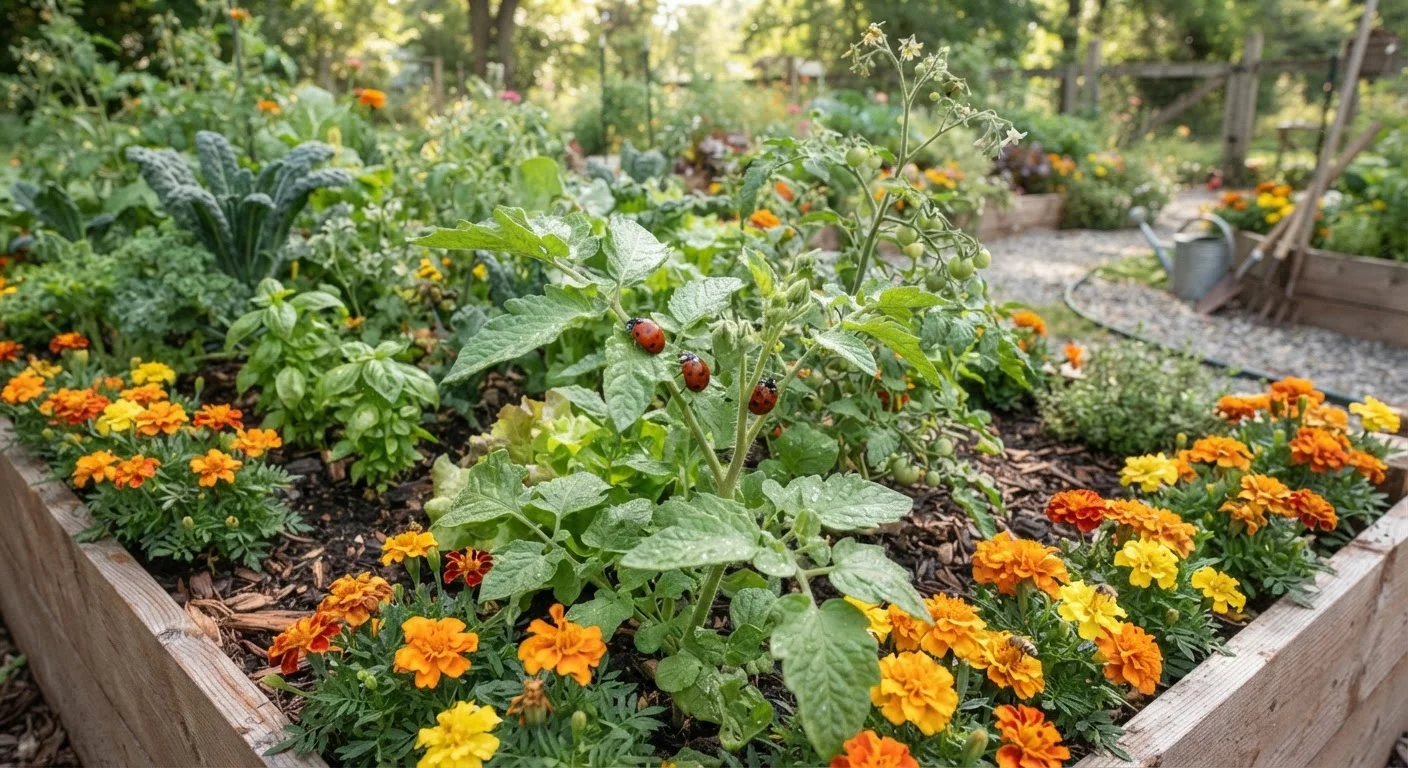
Photo: faqsvault.com editorial
Key Takeaways
- Physical barriers like row covers and copper tape stop many pests before they reach crops.
- Companion planting uses natural plant chemistry to deter insects and attract beneficial predators.
- Healthy soil and proper plant spacing are the foundation of a pest-resistant edible garden.
- Encouraging beneficial insects like ladybugs and ground beetles provides free, ongoing pest control.
- Consistent monitoring lets you catch infestations early, when they're easiest to address.
Why Natural Pest Control Makes Sense for Edible Gardens
When you're growing food you plan to eat, what you put on your plants matters as much as what you keep off them. Synthetic pesticides — even those labeled for edible crops — can leave residues, disrupt the soil ecosystem, and harm the beneficial insects your garden depends on for pollination and natural pest suppression.
Natural pest management isn't about tolerating damage; it's about working with ecological systems rather than against them. A well-balanced edible garden can handle modest pest pressure without any chemical intervention at all. The practices below are grounded in horticulture research and the experience of home gardeners across a wide range of climates and growing conditions.
If you're just getting started with food growing, our beginner's guide to vegetable gardening covers the foundational steps that make everything — including pest control — easier.
Best Practices for Natural Pest Control
Apply these approaches as a layered system rather than isolated fixes. The more of them you combine, the more resilient your garden becomes.
Use physical barriers to exclude pests at the source.
Practice companion planting to disrupt pest behavior.
Attract and support beneficial insects deliberately.
Monitor plants consistently and remove pests by hand early.
Rotate crops each season to break pest and disease cycles.
Apply water carefully to reduce conditions pests exploit.
Start With Healthy Soil and Spacing
Soil health is one of the most overlooked factors in pest resistance. Plants grown in nutrient-balanced, well-structured soil develop stronger cell walls and more robust immune responses, making them genuinely less attractive to sap-sucking insects and fungal-triggered pests.
Regularly incorporating organic matter — compost in particular — feeds the microbial life that underpins soil health. Our home composting guide explains how to build a consistent supply from kitchen and garden waste.
Proper plant spacing also reduces pest and disease pressure by improving airflow, which limits the warm, humid microenvironments where fungal diseases and soft-bodied insects thrive.
Compost Improves More Than Fertility
Quick Wins You Can Try This Week
Not every pest-control practice requires planning seasons ahead. Several high-impact actions can be taken right now, whatever stage your garden is at.
Natural Pest Control in Small-Space and Container Gardens
Container and small-space edible gardens face unique pest challenges — limited soil volume can stress plants, and pots create warm, sheltered spots that aphids and fungus gnats exploit. The same natural principles apply, but execution looks slightly different.
For container herbs and compact beds, physical removal is especially practical since plants are within easy reach. Companion planting works well even at small scale: a pot of basil alongside tomatoes, or nasturtiums tucked around a container pepper plant, can meaningfully influence pest behavior.
For more ideas on managing food plants in tight spaces, see our guide on growing food in containers and small spaces. Herb gardens — which are particularly susceptible to aphids and whitefly — benefit from the same natural strategies; our outdoor herb gardening guide covers pest-related considerations specific to culinary herbs.
This article provides general gardening information for educational purposes. Always verify that any pest-control method — including natural ones — is appropriate for your specific crops, local conditions, and any applicable regulations regarding garden inputs.
All published content on this website is for informational and educational purposes only and should not be taken as professional advice. We recommend that readers seek expert opinion before making any decisions. The website is not responsible for any actions taken based on the information provided on this website. We are not liable for any inaccuracies, modifications, or omissions in information. Moreover, external links or third-party content are provided for convenience; we are not liable for their correctness. Users are advised to verify every piece of information before they use it for any purpose.