
Overwatering: The Garden Mistake That Looks Like Underwatering

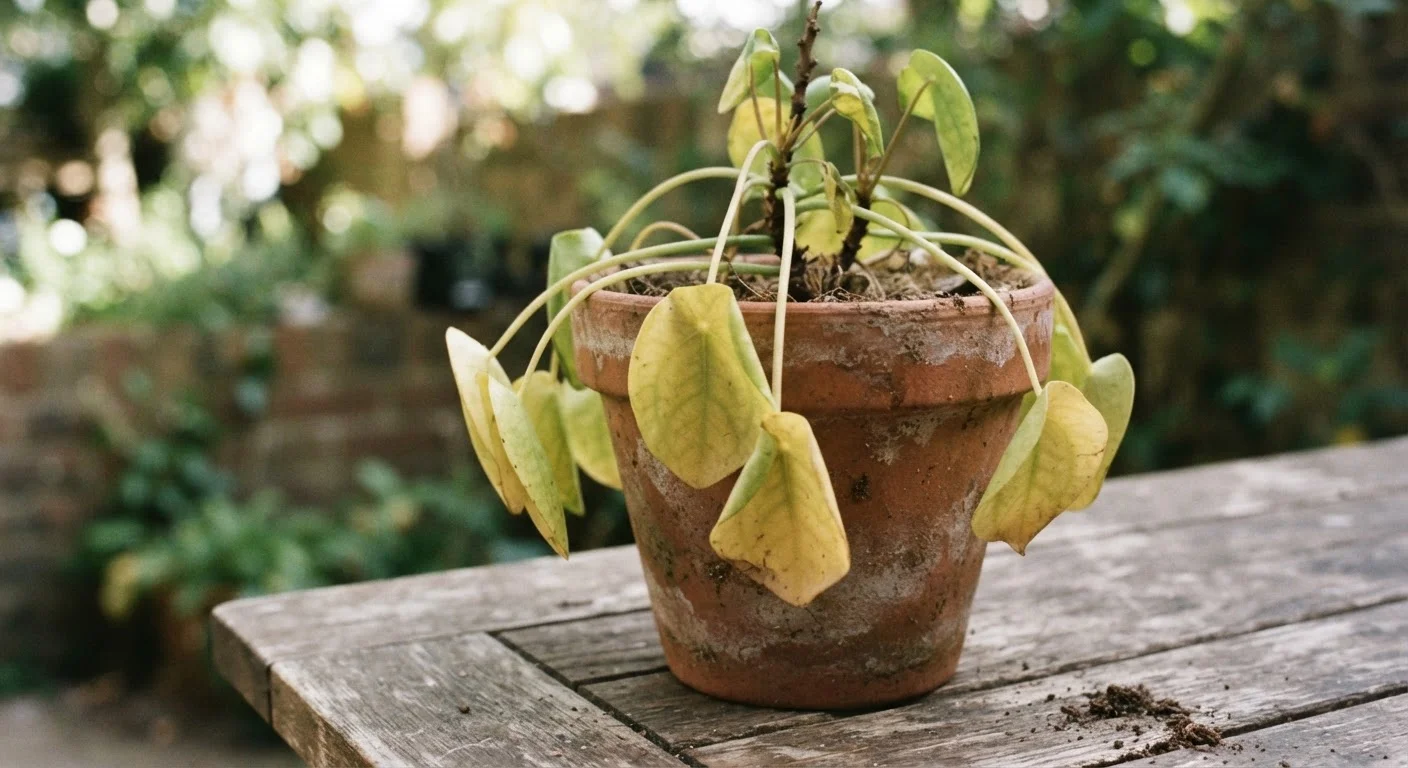
Photo: faqsvault.com editorial
Key Takeaways
- Overwatering symptoms — yellowing leaves, drooping stems — closely mimic underwatering signs.
- Soggy soil deprives roots of oxygen, leading to root rot that can kill plants quickly.
- The finger test (checking soil moisture 1–2 inches deep) is more reliable than a watering schedule.
- Pot drainage, soil type, and seasonal changes all influence how much water plants actually need.
- Catching overwatering early and allowing soil to dry out can often save an affected plant.
Why Overwatering Is So Easy to Get Wrong
Most gardeners know the feeling: a plant starts looking limp and lackluster, so the instinct is to water it more. The problem is that overwatered plants often look almost identical to underwatered ones — drooping stems, yellowing leaves, and a general air of distress. Acting on that instinct without checking the soil first can turn a recoverable situation into a dead plant.
Overwatering is consistently cited by horticulturalists as one of the leading causes of plant death in home gardens, both indoors and outdoors. It's not just about volume — frequency, drainage, soil composition, and seasonal shifts all contribute. A watering routine that worked perfectly in spring can become harmful by midsummer when heat increases evaporation, or in autumn when cooler temperatures slow moisture uptake dramatically.
Understanding why overwatering happens — and what it actually looks like — is the first step toward healthier plants and less wasted effort.
Common Overwatering Mistakes and How to Avoid Them
The mistakes below cover the most frequent ways gardeners unintentionally overwater, along with the reasoning behind each error and practical corrections.
Watering on a fixed schedule regardless of current conditions.
Assuming wilting or drooping always means the plant needs more water.
Using pots or containers without adequate drainage holes.
Watering at the same rate year-round without adjusting for seasons.
Applying water to the entire pot or bed surface uniformly, regardless of plant placement.
If you're also incorporating plants into interior spaces, it's worth reading our guide on using plants indoors, which covers realistic watering expectations for common houseplants.
Reading the Signs: Overwatering vs. Underwatering
Because the visual symptoms overlap so heavily, gardeners need to develop the habit of diagnosing at the root level rather than the leaf level. Here's how to tell the difference:
- Check the soil first. Push a finger 1–2 inches into the potting mix or garden bed. If it feels wet or cool and sticks to your finger, the plant does not need water regardless of how it looks above ground.
- Inspect the roots when possible. Healthy roots are firm and white or tan. Roots affected by overwatering typically appear brown, mushy, and may have an unpleasant odor — a sign of root rot caused by anaerobic (oxygen-deprived) conditions in waterlogged soil.
- Observe the pattern of yellowing. Overwatered plants often yellow uniformly across older, lower leaves. Underwatered plants tend to show dry, crispy leaf edges before yellowing spreads.
~90%
Of houseplant deaths linked to watering errors
Horticultural educators commonly estimate that the vast majority of houseplant losses stem from improper watering, with overwatering being the more frequent culprit.
48 hrs
Before root oxygen deprivation begins in saturated soil
Plant physiology research indicates that roots in waterlogged soil can begin experiencing anaerobic stress within 24–48 hours, accelerating the conditions for root rot.
Your watering system itself may be contributing. Drip irrigation and sprinkler systems deliver water in fundamentally different ways, and choosing the right one for your garden's layout and plant types can prevent chronic overwatering at the source.
Recovering a Plant and Preventing Future Problems
If you catch overwatering early, recovery is often possible. Stop watering immediately and move potted plants to a spot with good airflow. For container plants, check whether drainage holes are blocked — clear them if needed. For garden beds, consider working organic matter or coarse grit into the soil to improve drainage over time.
Severe root rot may require removing the plant from its pot, trimming away visibly rotted roots with clean, sterile shears, and repotting into fresh, well-draining soil. This is stressful for any plant, so it's far better to prevent the problem than to treat it.
A few long-term habits make a real difference:
- Water by feel, not by calendar. Seasons, weather, and plant size all shift water needs constantly.
- Choose the right soil. Most garden plants benefit from loamy, well-draining soil rather than dense clay. Adding compost improves structure without retaining excess moisture.
- Use mulch strategically. A 2–3 inch layer of mulch around plants helps regulate soil moisture and reduces the temptation to water frequently. Mulching offers broader benefits beyond moisture retention, including weed suppression and soil improvement over time.
- Account for microclimates. A shaded corner of your garden retains moisture far longer than a sunny, exposed border. Understanding your garden's microclimates helps you calibrate watering zone by zone rather than applying one blanket approach.
Confident watering isn't about following rigid rules — it's about observing your plants closely and adjusting based on what the soil tells you.
All published content on this website is for informational and educational purposes only and should not be taken as professional advice. We recommend that readers seek expert opinion before making any decisions. The website is not responsible for any actions taken based on the information provided on this website. We are not liable for any inaccuracies, modifications, or omissions in information. Moreover, external links or third-party content are provided for convenience; we are not liable for their correctness. Users are advised to verify every piece of information before they use it for any purpose.