
Raised Beds vs. In-Ground Planting: Which Suits Your Garden?

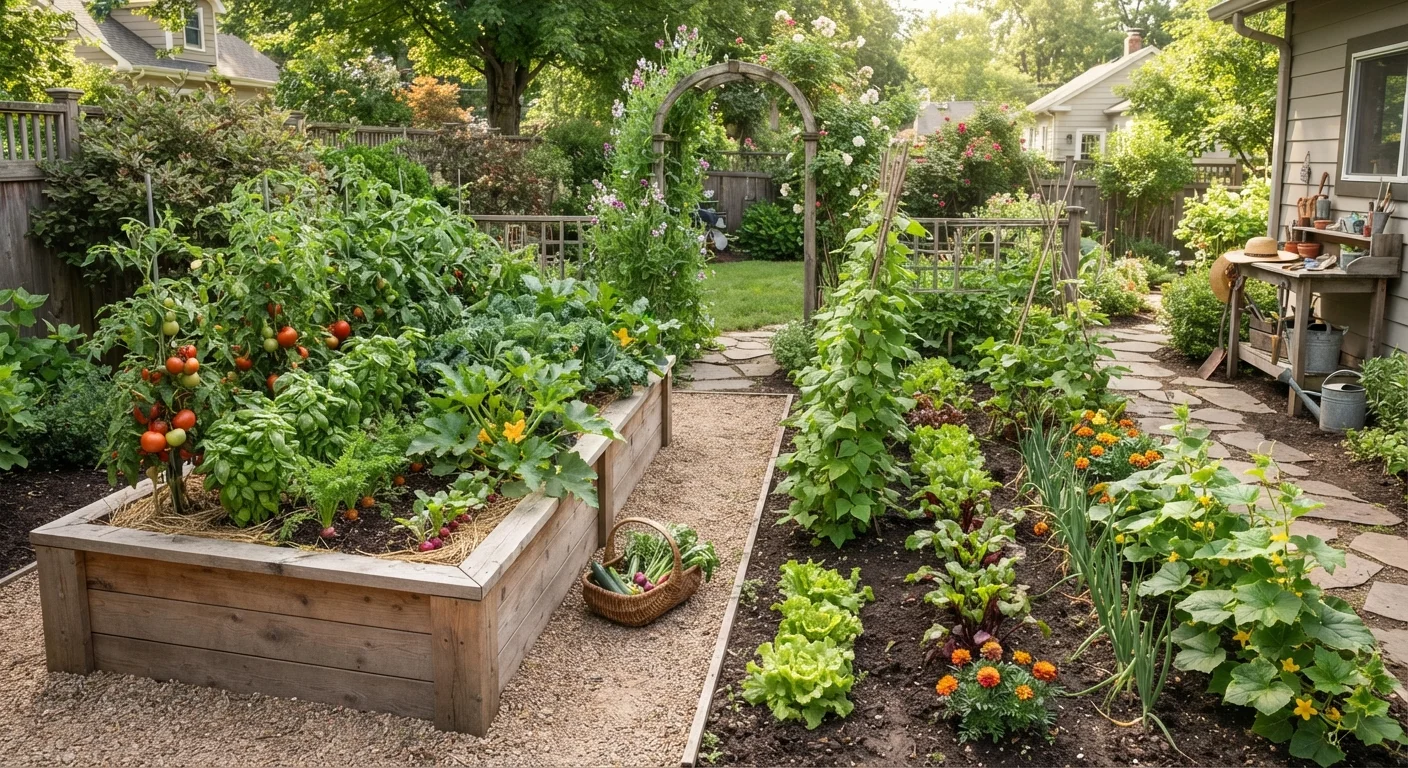
Photo: faqsvault.com editorial
Key Takeaways
- Raised beds warm up faster in spring, extending your growing season in cooler climates.
- In-ground planting typically costs far less to establish and scales easily to larger areas.
- Raised beds allow you to bypass poor native soil by importing a custom growing mix.
- In-ground plots generally require more weeding but can tap into deeper natural soil moisture.
- Drainage and soil control are easier to manage in raised beds than in the ground.
- Your existing soil quality, budget, and physical ability are the three biggest deciding factors.
How Each Method Actually Works
At their core, both approaches put seeds or transplants into soil — but the growing environment they create is quite different. Raised beds are contained structures, typically built from wood, galvanized metal, or composite materials, filled with an imported or blended soil mix. They sit above grade, anywhere from 6 inches to 30 or more inches tall. In-ground planting works directly with your existing native soil, amended over time with compost or other organic matter to improve its structure and fertility.
The distinction matters because soil quality, drainage, temperature, and pest pressure all behave differently depending on which system you're in. Neither method is inherently superior — the right choice depends on your specific site conditions, budget, and gardening goals. If you're starting from a blank slate, our guide to starting a vegetable garden from zero walks through both options in a planning context.
Soil Quality, Drainage, and Growing Conditions
One of the strongest arguments for raised beds is complete control over your growing medium. You choose the soil blend — typically a mix of topsoil, compost, and a lightening material like perlite or aged wood chips — and you know exactly what your plants are rooting into. This is particularly valuable on properties with heavy clay, sandy soil that won't retain moisture, or ground contaminated by old construction materials or lead paint.
Raised beds also drain reliably. Because the soil sits above grade and isn't compacted by foot traffic (beds are designed so you never step in them), roots receive the aeration they need. Waterlogged roots are a leading cause of plant failure, and a well-built raised bed makes that problem far less likely.
In-ground plots, by contrast, require working with what you have. In good soil — dark, crumbly, and biologically active — this is no disadvantage at all. Established in-ground beds can develop deep, thriving microbial ecosystems over years that container-style systems struggle to replicate. Deep-rooted crops like tomatoes, squash, and parsnips can also reach moisture reserves below the bed's floor, which helps during dry spells. Improving drainage in problem ground soil usually means adding organic matter consistently over several growing seasons. Mulching regularly accelerates that soil-building process considerably.
| Criterion | Raised Beds | In-Ground Planting |
|---|---|---|
| Setup cost | Higher — materials and soil | Lower — mainly labor and compost |
| Soil control | Full — you import the mix | Limited to native soil amendment |
| Drainage | Excellent by design | Varies with native soil type |
| Season length | Longer — soil warms faster | Standard for your climate zone |
| Watering frequency | More frequent needed | Less frequent in moisture-retaining soil |
| Weed pressure | Lower initially | Higher — open ground favors weeds |
| Scalability | Costly to expand | Easy and inexpensive to expand |
| Accessibility | High — adjustable bed height | Low — requires kneeling or bending |
Cost, Setup, and Long-Term Effort
Upfront cost is where in-ground planting holds a clear advantage. Preparing a ground plot typically requires little more than a spade, some compost, and time. A raised bed, by contrast, involves purchasing or sourcing structural materials, filling the bed with imported soil (often the single largest expense), and assembling the structure. A single 4×8-foot bed can cost anywhere from modest to significant depending on materials and soil prices in your area — and that cost multiplies with each additional bed.
That said, a well-built raised bed can last many years, especially if constructed from naturally rot-resistant wood like cedar or from galvanized metal. The soil investment also compounds: as you add compost each season, your growing medium improves without starting from scratch.
Ongoing maintenance tells a more nuanced story. Raised beds tend to need watering more frequently because they drain so efficiently and the elevated soil dries out faster — a drip irrigation setup can help offset this. Comparing drip and sprinkler systems is worth reviewing before you commit to an irrigation approach. In-ground plots, once established, can often rely more on natural rainfall and have better moisture retention in clay-leaning soils, but they typically demand more consistent weeding as weed seeds thrive in open ground.
Space, Scale, and Accessibility
Raised beds are an efficient fit for smaller gardens, awkward spaces, or areas where you want clean visual definition — such as a kitchen garden near the back door or a productive corner of a patio area. They integrate naturally into a broader outdoor living layout, functioning as both productive and attractive garden elements.
For large-scale growing, in-ground planting wins on practicality. Once you move beyond a few beds, the cost and labor of building and filling additional raised structures can become prohibitive. A large in-ground vegetable plot can be expanded simply by removing sod and adding compost — no carpentry or bulk soil delivery required.
Accessibility deserves specific mention. For gardeners with physical limitations, raised beds at an appropriate height genuinely change what's possible. Sitting on the edge of a bed or working from a chair becomes realistic when the soil surface is 18 to 30 inches above grade. For those who don't face mobility challenges, this factor may matter less — but it's worth planning ahead if long-term ease is a priority.
Companion planting strategies work in both systems, though the more contained space of a raised bed can make plant spacing and combination planning more deliberate. What companion planting actually does is a useful read before you finalize what goes where.
All published content on this website is for informational and educational purposes only and should not be taken as professional advice. We recommend that readers seek expert opinion before making any decisions. The website is not responsible for any actions taken based on the information provided on this website. We are not liable for any inaccuracies, modifications, or omissions in information. Moreover, external links or third-party content are provided for convenience; we are not liable for their correctness. Users are advised to verify every piece of information before they use it for any purpose.