
Outdoor Living Spaces: Design Ideas for Every Garden Size

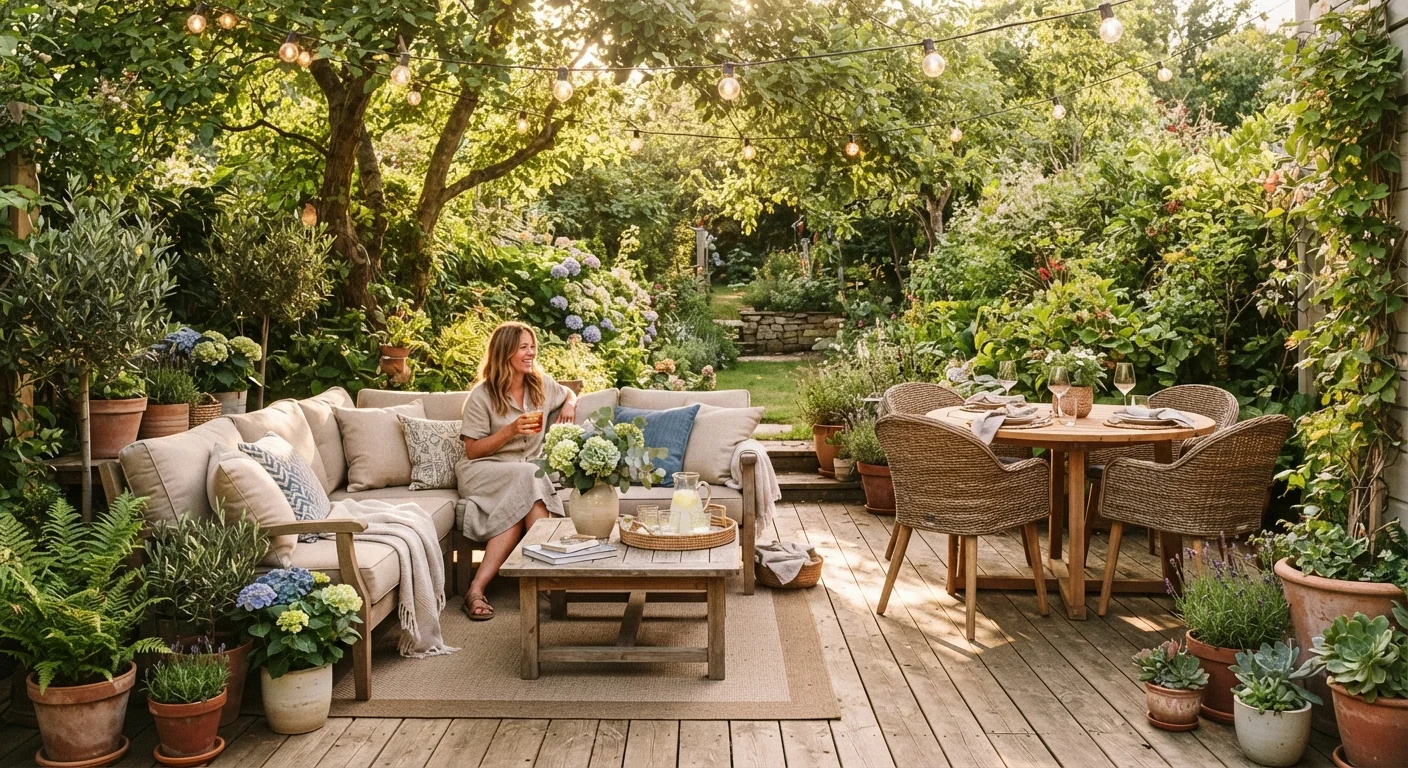
Photo: faqsvault.com editorial
Key Takeaways
- Every garden size — from a balcony to a sprawling backyard — can support a functional, enjoyable outdoor living area.
- Zoning your space into distinct activity areas helps even small gardens feel purposeful and organized.
- Choosing durable, weather-appropriate furniture and materials makes outdoor spaces more comfortable year-round.
- Vertical elements, container planting, and lighting can dramatically extend the character of a compact space.
- Understanding your garden's microclimate before designing saves time, money, and frustration later.
Making the Most of What You Have Outside
Outdoor living spaces are no longer a luxury reserved for large suburban lots. Whether you're working with a narrow townhouse balcony, a mid-sized suburban patio, or a generous backyard, thoughtful design choices can transform any outdoor area into a place you actually want to spend time in.
The key is to stop thinking of your exterior space as leftover land and start treating it the way you'd treat a room inside — with intention, zones, and comfort in mind. Before you start buying furniture or laying materials, take time to observe how sunlight moves across the space and where wind or shade consistently appears. Our guide on understanding garden microclimates covers how walls, paving, and slopes create temperature and wind pockets that directly affect how livable a space feels.
With that foundation in place, the following design ideas apply across a range of garden sizes and budgets — scaled, practical, and grounded in real-world use.
Define zones before you furnish
One of the most common outdoor design mistakes is filling a space with furniture before deciding how it will be used. Instead, sketch out rough activity zones first — a dining area, a lounging corner, a play zone, or a growing patch. Even on a compact balcony, separating a two-person café table from a single reading chair creates the sense of distinct, purposeful spaces.
Zoning tools don't require walls or fences. Outdoor rugs, changes in paving material, raised planters used as dividers, or even a shift in furniture direction can clearly signal where one zone ends and another begins. Think of it the way interior designers approach open-plan vs. defined room layouts — the principle of creating flow and purpose without hard barriers applies equally outdoors.
Defining zones before furnishing gives even small outdoor spaces a sense of order and purpose.
Scale furniture to your footprint
Oversized furniture is one of the fastest ways to make an outdoor area feel cluttered and unusable. A large sectional sofa that fits beautifully in a showroom can dominate a medium-sized patio and eliminate any sense of openness. Measure your usable space carefully and allow for at least 30–36 inches of clear walkway around key seating areas.
For smaller spaces, look for furniture with a slim profile, folding or stackable pieces that can be put away when not in use, and dual-purpose items like storage benches or side tables that double as extra seating. The strategies that work indoors — described in our guide to decorating compact rooms — translate directly to outdoor settings.
Furniture scaled to the space — not the showroom — is the single biggest factor in outdoor comfort.
Use vertical space for planting and privacy
Ground space is finite, but vertical space is almost always underused. Trellises with climbing plants, wall-mounted planters, tiered shelving units rated for outdoor use, and tall container plants all add greenery and visual interest without consuming precious floor area.
Vertical planting also creates privacy without the permanence or cost of a fence. A row of tall ornamental grasses or a trellis supporting a fast-growing climber can screen a neighboring view within a season. If you'd like to make your vertical garden productive as well as decorative, our article on growing food in small spaces covers practical approaches to wall-mounted and container food growing.
Vertical planting doubles your growing space and adds privacy without shrinking your usable floor area.
Choose materials suited to your climate and maintenance tolerance
Outdoor materials endure rain, UV exposure, temperature swings, and foot traffic — often all in the same week. The right choice depends on your climate, how much maintenance you're willing to commit to, and the look you're after. Hardwoods like teak or ipe are naturally rot-resistant but need periodic oiling; composite decking requires less upkeep but can retain heat in direct sun; concrete pavers are durable and versatile but may need sealing in freeze-thaw climates.
Whichever surface material you choose, prioritize slip resistance in wet areas and consider how the surface will feel underfoot in peak summer heat. When evaluating larger structural additions — decking, pergolas, or retaining walls — check whether local permits or licensed contractors are required before beginning work, as regulations vary by municipality.
Material choice locked to your actual climate and lifestyle will outlast any purely aesthetic decision.
Layer lighting for evening usability
Lighting extends the usable hours of any outdoor space and dramatically affects its atmosphere. A layered approach — combining ambient, task, and accent lighting — works far better than a single overhead fixture. String lights provide warm ambient light across a seating area; solar-powered path lights improve safety along walkways; directional spotlights can highlight a focal plant or water feature.
Low-voltage LED systems are energy-efficient and increasingly affordable, though installation near electrical sources should be handled by a licensed electrician. Battery-powered and solar options offer more flexibility for spaces without easy power access. Thoughtful lighting can make even a modest patio feel intentional and welcoming well into the evening.
Layered outdoor lighting — ambient, task, and accent — extends your space's usefulness far beyond sunset.
Incorporate a focal point to anchor the design
Every well-designed outdoor space benefits from a visual anchor — something the eye is drawn to that gives the layout a sense of intentionality. This could be a specimen tree or large container plant, a fire pit surrounded by seating, a water feature, or even a striking piece of outdoor art mounted to a wall or fence.
A focal point doesn't need to be expensive or elaborate. A single large-scale planter filled with dramatic foliage can do the job as effectively as a built-in water feature. If you're considering a pond as a focal element, our article on the case for and against a garden pond weighs the real costs and maintenance commitments involved — worth reading before committing.
A single strong focal point gives an outdoor space a sense of design coherence and visual calm.
Add an edible or herb growing area
Incorporating a productive element — even a small one — adds everyday purpose to an outdoor space. A raised herb bed near a dining or kitchen access point means fresh flavors are steps away when cooking. Herbs are particularly well suited to container culture, making them viable even on balconies or paved patios with no ground soil.
Positioning matters: most culinary herbs prefer at least six hours of direct sun and good drainage. Our comprehensive guide on growing herbs outdoors covers site selection, soil, and seasonal care in detail. Raised beds are another option for integrating food growing into a patio design — our comparison of raised beds vs. in-ground planting helps clarify which approach suits your setup.
A small herb or edible planting area connects outdoor living to daily life in the most practical way.
Pulling It All Together
No matter the size of your outdoor space, the most livable designs share a few things in common: they're organized around how you actually live, they layer texture and greenery thoughtfully, and they account for the conditions specific to that spot in your yard.
Start With One Zone Done Well
If you're interested in blurring the line between indoors and out, consider how potted plants and garden-adjacent greenery can bridge the transition. Our article on decorating with plants in real homes offers honest guidance on what works when you bring the garden inside. And for those with limited ground space, growing food in containers and on walls shows how productive a small footprint can really be.
The best outdoor spaces aren't the most expensive — they're the ones designed with a clear sense of purpose, proportioned for the people using them, and comfortable enough to return to again and again.
All published content on this website is for informational and educational purposes only and should not be taken as professional advice. We recommend that readers seek expert opinion before making any decisions. The website is not responsible for any actions taken based on the information provided on this website. We are not liable for any inaccuracies, modifications, or omissions in information. Moreover, external links or third-party content are provided for convenience; we are not liable for their correctness. Users are advised to verify every piece of information before they use it for any purpose.