
Wallpaper vs. Paint: Choosing the Right Wall Treatment for Each Room

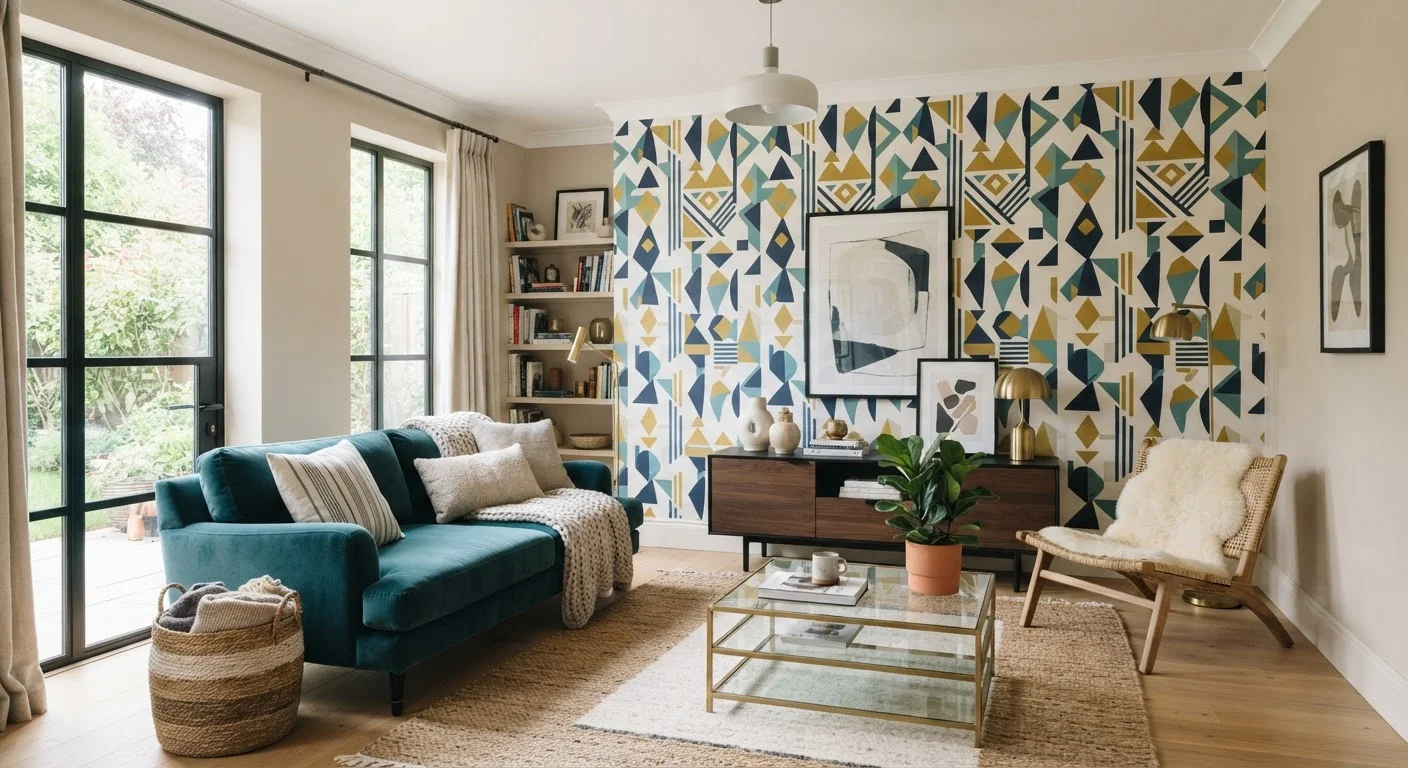
Photo: faqsvault.com editorial
Key Takeaways
- Paint is generally more affordable upfront and easier to change, making it ideal for renters or frequent redecorators.
- Wallpaper offers greater visual depth, texture, and longevity — quality installations can last 10–15 years or more.
- High-moisture rooms like bathrooms require moisture-resistant options; not all wallpapers are suited for those conditions.
- A single wallpapered accent wall can deliver dramatic impact without the cost or commitment of papering an entire room.
- Surface condition matters for both treatments — proper prep determines how well either option holds up over time.
The Core Trade-Off: Flexibility vs. Impact
When it comes to transforming a room, paint and wallpaper represent two fundamentally different philosophies. Paint offers agility — a fresh coat can change a room's entire mood in a weekend, with relatively low cost and effort. Wallpaper, by contrast, is a commitment that rewards patience: the installation process is more involved, but the results can add a richness and dimension that flat paint simply cannot replicate.
Understanding what each treatment does well — and where it struggles — is the starting point for any smart decorating decision. Before you pick up a roller or order your first roll, it helps to think through the room's function, your timeline, and how much surface preparation you're willing to do. For a comprehensive planning approach, see our pre-redecorating planning checklist before committing to any direction.
Cost and Installation: What Each Treatment Really Requires
Paint is typically the more affordable option at the outset. A quality interior latex paint can run anywhere from $25 to $70 per gallon, and most rooms only need two coats. DIY application is realistic for most homeowners, keeping labor costs low. The tradeoff is durability in some settings — flat finishes show scuffs easily, and high-traffic areas may need repainting every few years.
Wallpaper costs more upfront and demands more from the installer. Material prices vary widely, from budget peel-and-stick options to premium designer papers that can exceed $100 per roll or more. Professional installation adds to that figure. However, a properly installed, quality wallpaper can last 10 to 15 years or longer, potentially making it the more cost-efficient choice over a long horizon.
Peel-and-stick wallpapers have emerged as a middle-ground option, particularly useful for renters or anyone who wants the look without permanent commitment. Quality varies significantly, so it's worth reading product specifications carefully before purchasing.
| Paint | Wallpaper | |
|---|---|---|
| Upfront cost | Lower ($25–$70/gallon typical) | Higher ($30–$100+/roll typical) |
| DIY difficulty | Moderate — accessible for most | More involved — prep and technique critical |
| Lifespan | 3–7 years in high-traffic areas | 10–15+ years with quality installation |
| Moisture resistance | Good with semi-gloss/satin finish | Variable — requires moisture-rated product |
| Design versatility | Unlimited color options, some texture techniques | Rich patterns, textures, and murals available |
| Reversibility | Easy to repaint over | Removal can be labor-intensive |
| Best rooms | Kitchens, baths, hallways, rentals | Dining rooms, bedrooms, feature walls |
If you're working with a limited budget, strategic decorating on a tight budget can help you prioritize where each treatment delivers the most visible return.
Room-by-Room Guidance: Matching Treatment to Space
Living rooms and dining rooms are strong candidates for wallpaper, especially on a single feature wall. These spaces tend to have stable humidity, moderate traffic, and are designed to impress — exactly where wallpaper's visual depth pays off. A richly textured or patterned paper can anchor the room in a way that paint alone rarely achieves.
Bedrooms suit both options well. Paint allows for easy seasonal updates or mood shifts, while wallpaper — particularly on the wall behind a bed — can create a dramatic, hotel-like effect. Colour psychology plays a real role here: soft blues and greens in either paint or wallpaper pattern tend to encourage calm.
Kitchens and bathrooms present the greatest challenge. Steam, grease, and moisture can compromise both treatments if the wrong product is chosen. In these rooms, a semi-gloss or satin paint finish is often the safest and most practical route — it wipes down easily and resists moisture. If you're set on wallpaper in a bathroom, look specifically for vinyl-coated or moisture-resistant varieties and ensure proper ventilation is in place.
Hallways and entryways endure constant contact and scuffing. A durable, washable paint finish generally holds up better in these zones than wallpaper, which can peel at seams in high-contact areas.
Visual Impact and Design Versatility
Paint gives you an almost unlimited color palette and the ability to experiment with techniques — color washing, stripes, ombre effects, and limewash finishes among them. It's a blank canvas that adapts to nearly any style. The downside is that flat paint offers no tactile dimension; what you see is essentially what you get.
Wallpaper brings texture, pattern, and depth that can make a room feel designed rather than simply decorated. Grasscloth adds organic warmth; geometric patterns add graphic energy; mural-style papers can transform a wall into a focal point. These qualities can reduce the need for other decorative layers — a well-chosen wallpaper may do the work of art, color, and texture simultaneously.
For rooms where you plan to create a gallery wall, a painted surface in a muted neutral is usually preferable — it provides a clean backdrop without competing with the artwork.
Surface Preparation and Long-Term Maintenance
Neither wallpaper nor paint forgives a poorly prepared surface. Cracks, uneven texture, and old peeling paint will show through both treatments. Skim-coating and sanding before application is time-consuming but essential for a professional result.
Wallpaper removal is the most commonly cited drawback of the format. Traditional paste-applied papers can be difficult and time-consuming to strip, especially if they were applied directly to drywall without a primer or sizing coat first. Always size or prime the wall before wallpapering — this makes future removal significantly easier.
Paint maintenance is simpler: touch-ups are straightforward, and a full repaint is a weekend project. Wallpaper maintenance means watching for lifted seams and protecting edges in high-contact areas. In the right room with proper installation, though, wallpaper often needs less attention over its lifespan than paint in equivalent spaces.
All published content on this website is for informational and educational purposes only and should not be taken as professional advice. We recommend that readers seek expert opinion before making any decisions. The website is not responsible for any actions taken based on the information provided on this website. We are not liable for any inaccuracies, modifications, or omissions in information. Moreover, external links or third-party content are provided for convenience; we are not liable for their correctness. Users are advised to verify every piece of information before they use it for any purpose.