
Starting From Scratch: A First-Timer's Guide to Decorating a New Home

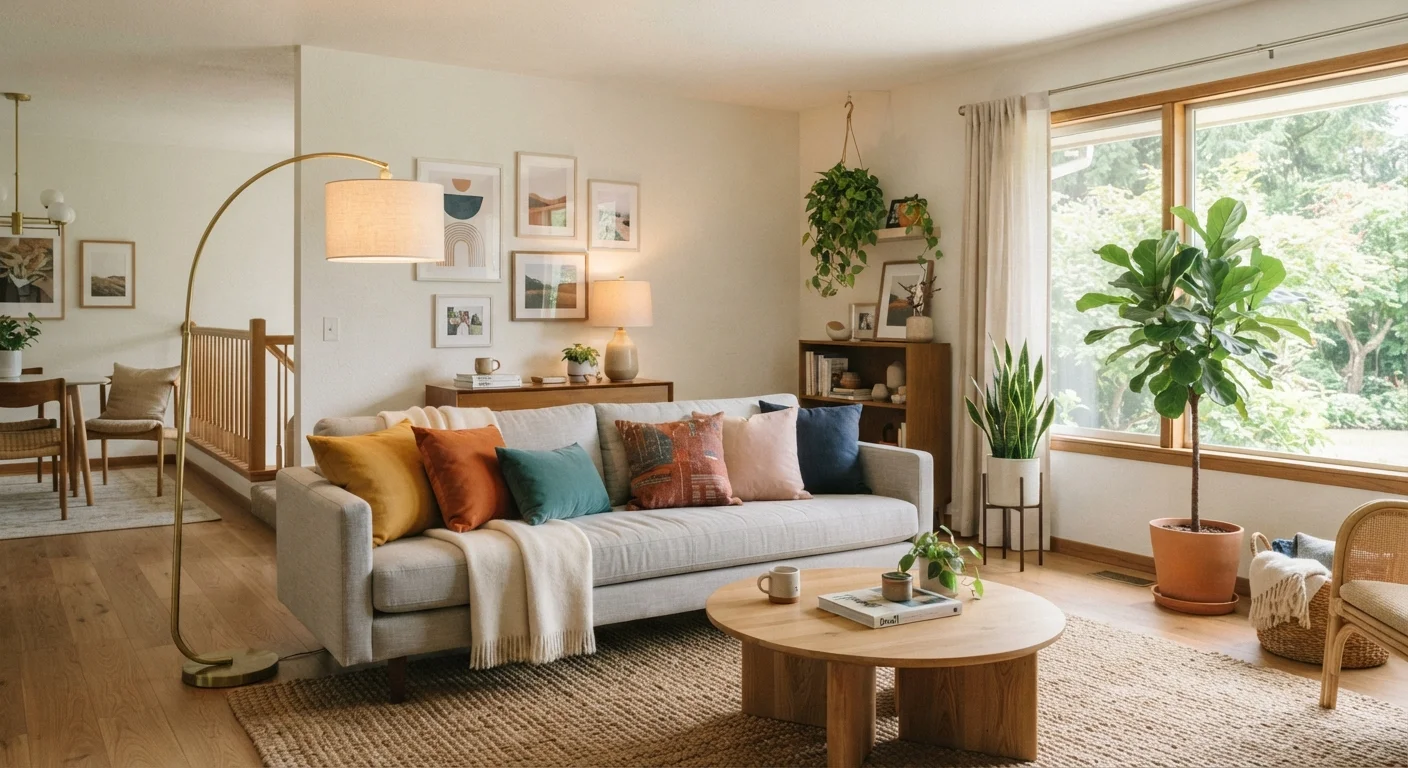
Photo: faqsvault.com editorial
Key Takeaways
- Measure every room before purchasing any furniture — scale mistakes are costly and common.
- A simple, cohesive colour palette of two or three hues is easier to execute than a complex scheme.
- Lighting should come from at least three sources in any living space to feel warm and functional.
- Personal style emerges gradually — avoid rushing to fill every surface immediately.
- Budget intentionally by prioritising anchor pieces first and layering accessories over time.
Before You Buy a Single Thing
The most common decorating mistake first-timers make is shopping before they've observed. Spend at least a few days living in a new space — even an empty one — before purchasing furniture or paint. Notice where the sun enters in the morning, where the room feels narrow, and which wall your eye goes to first when you walk in. These observations are the foundation of every good decorating decision.
It also helps to gather some visual references. Create a folder on your phone or a simple mood board with rooms that make you feel something positive. You don't need to name a style — just notice what you're drawn to. If you want language for what you're seeing, our interior decorating glossary explains common design terms in plain English without the jargon overload.
Before you redecorate or furnish any room, also take the time to walk through key planning questions — our room planning checklist covers measurements, traffic flow, and storage needs so nothing important gets overlooked.
Understanding Your Space: Scale, Flow, and Light
Scale describes the size relationship between furniture, the room, and other objects in it. A large sectional sofa that fits beautifully in a spacious open-plan living area will overwhelm a compact apartment sitting room. Always measure your room's length and width, and then mark out the footprint of any major piece of furniture using painter's tape on the floor before buying. This low-effort step prevents the most expensive beginner errors.
Traffic flow refers to how people move through a room. Aim to leave at least 30–36 inches of clearance around furniture groupings so movement feels natural rather than obstacle-course-like. In dining areas, allow at least 36 inches between the table and the wall so chairs can be pulled out comfortably.
Natural light changes everything. A north-facing room in most US regions receives cooler, more consistent light — warmer paint tones and warmer artificial lighting can compensate. South-facing rooms tend to be bright and warm, which gives you more flexibility with cooler palette choices. Observe your rooms at different times of day before making final colour or material decisions.
Scale
The size relationship between furniture or objects and the room they're placed in. Getting scale right means pieces feel appropriately sized — neither too large nor too small — for the space.
Traffic flow
The natural path people walk through a room. Good furniture arrangement leaves enough clear space for movement to feel comfortable and unobstructed.
Colour undertone
The subtle secondary hue hidden within a paint or fabric colour. A white wall might have a pink, yellow, or grey undertone that becomes visible against other elements in the room.
Ambient lighting
The main, overall light source in a room — typically overhead — that provides general illumination across the entire space.
Accent colour
A third, usually bolder or more distinctive colour used in small doses — through pillows, artwork, or accessories — to add visual interest to a room's palette.
Anchor piece
The primary, largest furniture item in a room — such as a sofa or bed — that establishes the scale and direction for everything else in the space.
Choosing a Colour Direction
Colour can feel like the most intimidating decision, but a simple framework makes it manageable. Choose three: one dominant neutral (the largest surface areas — walls, large furniture), one supporting tone (rugs, curtains, secondary seating), and one accent (pillows, art, small accessories). Keeping the palette to three keeps the space from feeling chaotic without making it sterile.
Undertones matter more than most beginners realise. A white wall can read as pink, yellow, or grey depending on its undertone and the light in your room. Always test paint swatches directly on your wall — not just the sample card — and observe them at morning, midday, and evening before committing. What looks crisp and clean in the store may feel cold and clinical at home, or vice versa.
If you're genuinely uncertain where to begin, starting with a piece you already own and love — a rug, artwork, or even a favourite blanket — and pulling your palette from those tones is a well-established designer technique that grounds your choices in something personal and real.
Layering Furniture and Lighting
Think of furnishing a room in layers rather than buying everything at once. Start with the anchor piece — a sofa in a living room, a bed frame in a bedroom — and build outward from there. The anchor piece should be chosen carefully since it's the hardest to swap out later, both in terms of cost and effort.
For lighting, the standard approach is to think in three types: ambient, task, and accent. Ambient light provides overall illumination (overhead fixtures, ceiling fans with lights). Task lighting serves a functional purpose — a reading lamp beside an armchair, under-cabinet lights in the kitchen. Accent lighting highlights something you want to draw attention to, like a shelf of books or a piece of art. A room with only overhead lighting feels flat; layering these three types creates warmth and dimension.
Smart lighting is increasingly accessible to beginners and offers real flexibility in how a room feels at different times of day. If you're curious, our beginner's guide to smart home devices is a helpful, jargon-free starting point.
Use a Floor Plan Sketch Before You Shop
Adding Personal Style Without Overwhelm
Personal style is not a category you pick from a list — it reveals itself through the objects, colours, and textures you find yourself returning to over time. Resist the pressure to have a fully styled home immediately after moving in. Empty walls and bare shelves are not failures; they are space for considered choices rather than rushed ones.
A practical approach: add one layer at a time over weeks or months. First the furniture, then window treatments, then rugs, then art and objects. This pacing lets you evaluate each addition in context before adding the next, which leads to a more cohesive result than furnishing everything at once.
Textiles are among the most affordable and impactful ways to add personality. Throw pillows, blankets, and curtains can shift the feel of a room significantly at a fraction of the cost of new furniture. Mixing textures — linen beside a knitted throw, for example — adds visual interest without adding visual noise.
Working Within a Budget
Decorating on a budget is entirely possible when you prioritise intentionally. Put the most money toward items that are used daily and replaced least often: a quality mattress, a durable sofa, a solid dining table. Allocate less to things that are easy and inexpensive to update over time: cushions, throws, candles, and small decorative accessories.
If you haven't yet established a household spending plan, our beginner's guide to budgeting can help you set a realistic framework before you start spending on your home. Knowing your overall numbers makes every decorating decision less stressful.
Second-hand furniture, thrift stores, and community buy-sell groups are genuinely worth exploring for anchor pieces — particularly solid wood items that can be refinished or updated. A coat of paint or new hardware can substantially change the look of older furniture without requiring any special skill. And if you're ready to tackle some light hands-on projects, our first home improvement guide walks you through what to DIY versus when to hire out.
Finally, remember that decorating a home is not a single project with a finish line. It's an ongoing, enjoyable process of making a space feel more like you over time. Give yourself permission to move slowly — the most characterful homes usually evolved that way.
Frequently Asked Questions
All published content on this website is for informational and educational purposes only and should not be taken as professional advice. We recommend that readers seek expert opinion before making any decisions. The website is not responsible for any actions taken based on the information provided on this website. We are not liable for any inaccuracies, modifications, or omissions in information. Moreover, external links or third-party content are provided for convenience; we are not liable for their correctness. Users are advised to verify every piece of information before they use it for any purpose.