
How Ritual and Tradition Sustain a Community's Sense of Self

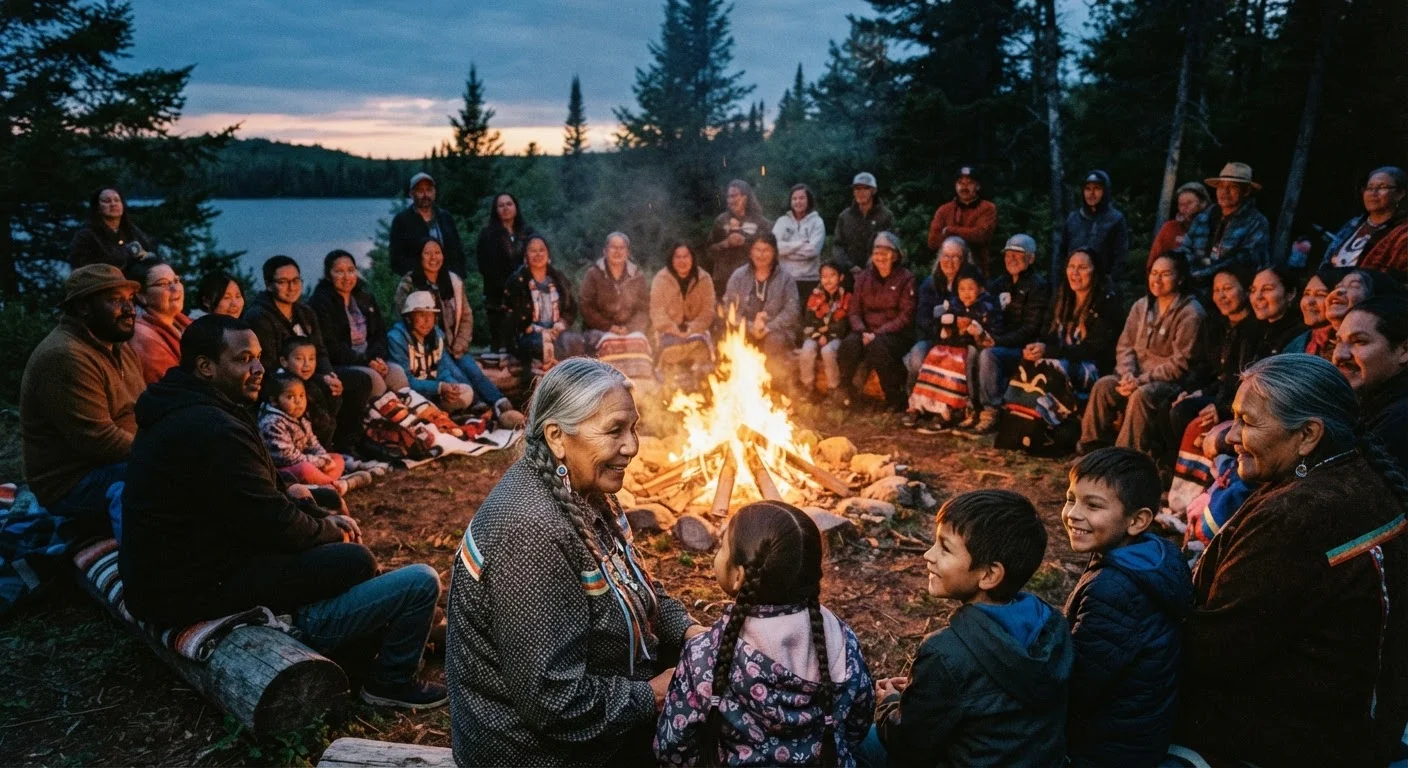
Photo: faqsvault.com editorial
Key Takeaways
- Rituals and traditions aren't just symbolic — they actively reinforce group identity and provide psychological continuity.
- Communities that maintain meaningful ceremonies tend to show stronger social cohesion and resilience during change.
- Even small everyday customs carry identity-sustaining power when practiced consistently and passed between generations.
- Adapting traditions thoughtfully allows communities to evolve without losing their core sense of self.
- Inclusive rituals that welcome new members accelerate genuine belonging and strengthen collective bonds.
Why Ritual Is More Than Ceremony
When we think of ritual, grand images often come to mind — graduation processions, religious observances, harvest festivals. But the social science behind ritual suggests something more pervasive and fundamental is at work. Rituals are repeated, structured actions imbued with shared meaning. They don't just mark occasions; they constitute community identity each time they're performed.
Anthropologists have long observed that across vastly different cultures, ritual serves a consistent set of social functions: it reinforces shared values, signals group membership, and provides a felt sense of continuity across time. Sociologist Émile Durkheim described this as "collective effervescence" — the heightened energy and solidarity that emerges when people engage in synchronized, meaningful activity together. Whether that's a neighborhood block party, a weekly Shabbat dinner, or the opening chant at a sports game, the mechanism is similar.
Understanding how ritual works is the first step toward using it intentionally. Communities — whether cultural, religious, civic, or chosen — can actively tend their traditions rather than letting them erode passively. For more on how non-traditional bonds become genuine community, the principles of shared ritual apply just as powerfully beyond family of origin.
Best Practices for Sustaining Meaningful Traditions
Not all traditions sustain themselves automatically — and not every inherited custom serves a community's present needs. The most vibrant communities tend to approach their rituals with intentionality, balancing preservation with adaptation. Here are proven approaches for keeping tradition alive and meaningful:
Document and name your community's rituals explicitly, even informal ones.
Involve multiple generations in both performing and evolving traditions.
Separate the core meaning of a tradition from its specific form before making changes.
Create welcoming rituals that initiate new members into community practices.
Mark transitions — losses, milestones, and changes — with intentional ceremony.
Adapting Without Losing the Thread
One of the greatest tensions communities face is how to evolve without losing what made them cohesive in the first place. Traditions that remain completely rigid often become hollow performances; those that change too freely can lose their connective tissue. The healthiest communities treat their rituals as living practices — tended, not just preserved.
“Ritual is the way we remember who we are when the world keeps asking us to become someone else.”
— Barbara Myerhoff, Cultural anthropologist and author known for her work on ritual, community, and identity
A useful framework is to distinguish between a tradition's form and its function. The function — marking a transition, honoring ancestors, welcoming newcomers — is usually what matters most. The form — a specific food, a particular song, a dress code — can often adapt to new contexts without undermining the deeper purpose. This is how immigrant communities have sustained cultural identity across generations: by carrying the meaning while allowing the expression to breathe in new soil.
The tension between collective and individual identity is also alive within ritual. Thoughtful traditions make space for personal meaning while maintaining the shared frame that gives them communal power.
Everyday Customs: The Quiet Architecture of Belonging
Grand ceremonies matter, but community identity is also built through the small and daily. The way a neighborhood greets each other in the morning, the unspoken rules of a workplace kitchen, the inside jokes of a friend group — these micro-rituals quietly but persistently reinforce who "we" are. Research in social psychology suggests that predictable shared routines create what's called "social glue": the ambient sense that we are embedded in something larger than ourselves.
Daily rituals across cultures show just how differently — and how universally — human groups use structured everyday behavior to build meaning and rhythm. From communal tea ceremonies to shared meal customs, the content varies enormously, but the function converges: small repeated actions reinforce connection and identity.
Start with what you already do. Identifying and naming your community's everyday customs — rather than taking them for granted — is itself an act of strengthening them. When people can articulate why they do what they do together, the practice gains new intentionality and staying power.
Building Ritual Into Communities Experiencing Change
Communities under pressure — those navigating rapid demographic change, geographic dispersal, or cultural disruption — are often exactly the ones that most need robust ritual, yet find it hardest to maintain. During transitions, shared practices serve as anchors. They signal: whatever else is shifting, this part of us remains.
New members joining a community present both a challenge and an opportunity. Inclusive rituals — ones designed to welcome and initiate rather than exclude — accelerate genuine belonging. This doesn't mean watering down tradition; it means creating deliberate entry points. Many long-standing cultural communities have developed sophisticated practices for bringing outsiders in without erasing the traditions that define the group. Shared language and insider vocabulary often play a key role in this process, signaling membership in ways that feel both earned and welcoming.
Communities navigating change also benefit from creating new rituals that honor the transition itself — marking what was, acknowledging what is shifting, and intentionally imagining what comes next. Ritual, at its best, doesn't just look backward. It helps a community write its own ongoing story.
All published content on this website is for informational and educational purposes only and should not be taken as professional advice. We recommend that readers seek expert opinion before making any decisions. The website is not responsible for any actions taken based on the information provided on this website. We are not liable for any inaccuracies, modifications, or omissions in information. Moreover, external links or third-party content are provided for convenience; we are not liable for their correctness. Users are advised to verify every piece of information before they use it for any purpose.