
Plant-Based Eating: Nutritional Considerations Worth Knowing

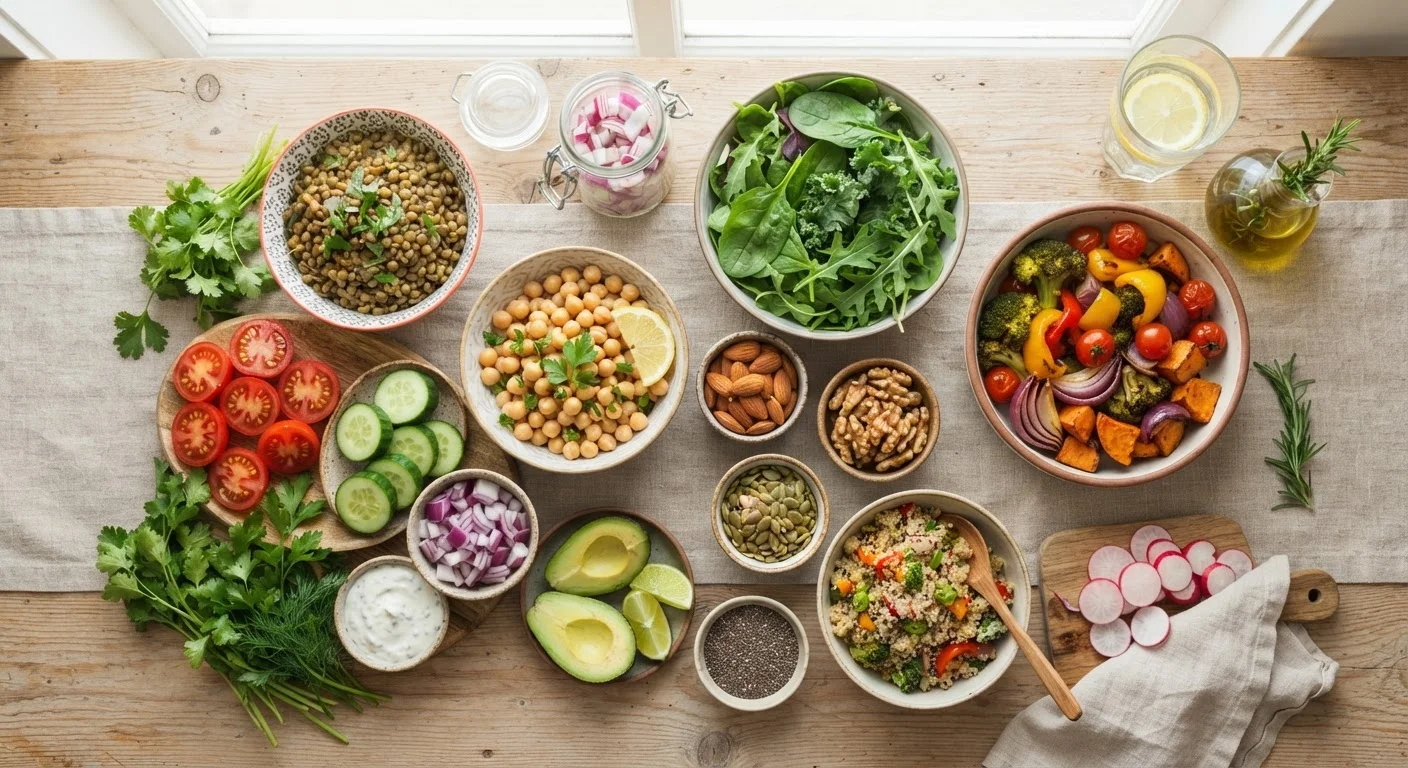
Photo: faqsvault.com editorial
Key Takeaways
- Plant-based diets can support good health, but a few nutrients require deliberate attention.
- Vitamin B12 is not reliably available from plant foods and often warrants supplementation.
- Combining varied plant proteins across the day helps cover essential amino acid needs.
- Cooking methods and food pairings can meaningfully affect how well plant-sourced nutrients are absorbed.
- A registered dietitian can help tailor a plant-focused eating pattern to individual needs.
High fibre intake supports gut and digestive health
Plant foods are the primary source of dietary fibre, which feeds beneficial gut bacteria and is linked to steady digestion and sustained satiety.
Rich in diverse phytonutrients and antioxidants
Colourful vegetables, fruits, legumes, and whole grains supply a broad range of plant compounds associated with reduced inflammation and chronic disease risk.
Naturally lower in saturated fat for most people
Replacing animal products with whole plant foods often reduces saturated fat intake, a shift associated with improved cardiovascular markers in many studies.
Encourages a varied, whole-food diet
Planning meals around plants naturally broadens the range of foods consumed, which tends to support a more diverse and resilient nutritional profile overall.
Generous folate, potassium, and magnesium intake
Leafy greens, legumes, and whole grains are excellent sources of these nutrients, which many US adults consume below recommended levels.
Vitamin B12 is absent from plant foods
B12 deficiency can develop silently over months or years and has serious neurological consequences; this is the nutrient most consistently flagged for those eating little or no animal food.
Iron absorption is less efficient from plant sources
Non-heme iron from plants is more sensitive to dietary inhibitors and requires intentional pairing strategies — such as vitamin C-rich foods — to support adequate uptake.
Long-chain omega-3s are harder to obtain
EPA and DHA from fatty fish are not directly available in most plant foods; conversion from plant-sourced ALA is limited, potentially leaving a gap for some people.
Calcium sources require careful selection
Not all plant calcium sources are equally well absorbed due to compounds like oxalates, so choosing among them thoughtfully matters more than simply including calcium-containing foods.
Iodine is easy to overlook without dairy or seafood
Iodine is inconsistently distributed across plant foods, and relying on iodised salt may not cover needs reliably for everyone on a fully plant-based diet.
Protein planning requires more deliberate food variety
While plant proteins are plentiful, ensuring a full complement of essential amino acids involves eating across multiple food groups rather than relying on one staple.
What Plant-Based Eating Actually Covers
"Plant-based" is a broad term that can describe anything from a fully vegan diet to one that simply centres vegetables, legumes, whole grains, nuts, and seeds while leaving room for occasional animal foods. What these patterns share is an emphasis on minimally processed plant foods as the foundation of daily eating.
Research consistently associates plant-forward diets with higher intakes of dietary fibre, folate, potassium, magnesium, and a wide range of antioxidant compounds. For many people, shifting toward more plants also reduces saturated fat and increases the variety of foods on their plates — both of which have been linked to positive health markers in population-level studies. Eating patterns from around the world offer useful context on how different plant-centred food cultures approach these nutritional foundations.
That said, no single eating pattern is nutritionally complete by default. Plant-based diets, like any other, reflect the choices made within them. Understanding which nutrients need extra thought is a practical starting point — not a reason to feel cautious about plants.
Nutrients That Deserve Closer Attention
A few nutrients are either absent from, or less bioavailable in, plant foods compared to animal sources. Being aware of them is the first step toward covering them well.
Vitamin B12
This is the one nutrient that plant foods simply do not supply in meaningful amounts. B12 is produced by microorganisms and concentrated in animal products. People eating little or no animal food are generally advised to discuss supplementation with a healthcare provider, as deficiency can develop gradually and have significant neurological effects. This is one area where general information has clear limits — a qualified professional can assess individual status and needs.
Iron
Plants contain non-heme iron, which the body absorbs less efficiently than the heme iron in meat. Good plant sources include lentils, tofu, tempeh, pumpkin seeds, fortified cereals, and dark leafy greens. Pairing these with a source of vitamin C — like bell peppers, citrus, or tomatoes — can meaningfully boost absorption.
Calcium
Dairy is a common calcium source in the US diet, but it is far from the only one. Calcium-set tofu, fortified plant milks, kale, bok choy, and white beans are solid contributors. It is worth noting that some plant foods contain oxalates or phytates that can reduce calcium absorption — choosing lower-oxalate greens like kale over spinach for calcium purposes is one practical example.
Omega-3 Fatty Acids
Fatty fish supplies EPA and DHA — the long-chain omega-3s most studied for cardiovascular and brain health. Plant foods like flaxseed, chia seeds, and walnuts provide ALA, a precursor that the body converts to EPA and DHA, though conversion rates are modest. Algae-derived omega-3 supplements are a direct plant-based source of EPA and DHA worth discussing with a healthcare provider.
Zinc and Iodine
Zinc from plant foods is less readily absorbed due to phytate content, though soaking or sprouting legumes and grains can help. Iodine is largely absent from plant foods unless iodised salt or seaweed is included regularly. Both nutrients are easy to overlook on a plant-focused diet.
A Note on Vitamin D
Where Plant-Based Eating Genuinely Shines
High fibre intake supports gut and digestive health
Plant foods are the primary source of dietary fibre, which feeds beneficial gut bacteria and is linked to steady digestion and sustained satiety.
Rich in diverse phytonutrients and antioxidants
Colourful vegetables, fruits, legumes, and whole grains supply a broad range of plant compounds associated with reduced inflammation and chronic disease risk.
Naturally lower in saturated fat for most people
Replacing animal products with whole plant foods often reduces saturated fat intake, a shift associated with improved cardiovascular markers in many studies.
Encourages a varied, whole-food diet
Planning meals around plants naturally broadens the range of foods consumed, which tends to support a more diverse and resilient nutritional profile overall.
Generous folate, potassium, and magnesium intake
Leafy greens, legumes, and whole grains are excellent sources of these nutrients, which many US adults consume below recommended levels.
The nutritional strengths of plant-based diets are real and well-documented. High fibre intake supports digestive health, feeds beneficial gut bacteria, and is associated with sustained energy and satiety. You can explore more about why fibre matters in our guide to fibre.
The variety of phytonutrients — plant compounds like flavonoids, carotenoids, and polyphenols — found in colourful vegetables, fruits, legumes, and whole grains is genuinely difficult to replicate from animal foods alone. These compounds are associated with reduced inflammation and lower risk of several chronic conditions, though it is worth noting that research in this area continues to evolve.
The Practical Challenges to Plan Around
Vitamin B12 is absent from plant foods
B12 deficiency can develop silently over months or years and has serious neurological consequences; this is the nutrient most consistently flagged for those eating little or no animal food.
Iron absorption is less efficient from plant sources
Non-heme iron from plants is more sensitive to dietary inhibitors and requires intentional pairing strategies — such as vitamin C-rich foods — to support adequate uptake.
Long-chain omega-3s are harder to obtain
EPA and DHA from fatty fish are not directly available in most plant foods; conversion from plant-sourced ALA is limited, potentially leaving a gap for some people.
Calcium sources require careful selection
Not all plant calcium sources are equally well absorbed due to compounds like oxalates, so choosing among them thoughtfully matters more than simply including calcium-containing foods.
Iodine is easy to overlook without dairy or seafood
Iodine is inconsistently distributed across plant foods, and relying on iodised salt may not cover needs reliably for everyone on a fully plant-based diet.
Protein planning requires more deliberate food variety
While plant proteins are plentiful, ensuring a full complement of essential amino acids involves eating across multiple food groups rather than relying on one staple.
The good news is that most of the nutritional gaps in plant-based diets are addressable through deliberate food choices, smart pairings, and — in some cases — targeted supplementation. Protein is a common concern, but it is manageable: eating a variety of plant proteins (legumes, whole grains, soy products, nuts, and seeds) across the day helps ensure adequate intake of essential amino acids. The comparison of plant and animal protein sources covers this in more depth.
Reading food labels is also a genuinely useful habit when eating plant-focused. Fortified foods — plant milks, breakfast cereals, nutritional yeast — can contribute meaningfully to B12, calcium, and vitamin D intake. Our guide to reading nutrition labels can help you spot what to look for.
Finally, building a well-stocked plant-forward kitchen makes daily decision-making much easier. A thoughtful pantry with diverse legumes, grains, nuts, and seeds provides the raw material for consistently varied meals. Stocking a kitchen for everyday cooking offers a practical starting checklist.
This article is for general informational and educational purposes only and is not a substitute for personalised medical or nutritional advice. Please consult a registered dietitian or qualified healthcare provider before making significant changes to your diet, especially if you have an existing health condition.
All published content on this website is for informational and educational purposes only and should not be taken as professional advice. We recommend that readers seek expert opinion before making any decisions. The website is not responsible for any actions taken based on the information provided on this website. We are not liable for any inaccuracies, modifications, or omissions in information. Moreover, external links or third-party content are provided for convenience; we are not liable for their correctness. Users are advised to verify every piece of information before they use it for any purpose.