
Fibre: The Nutrient Most People Underestimate

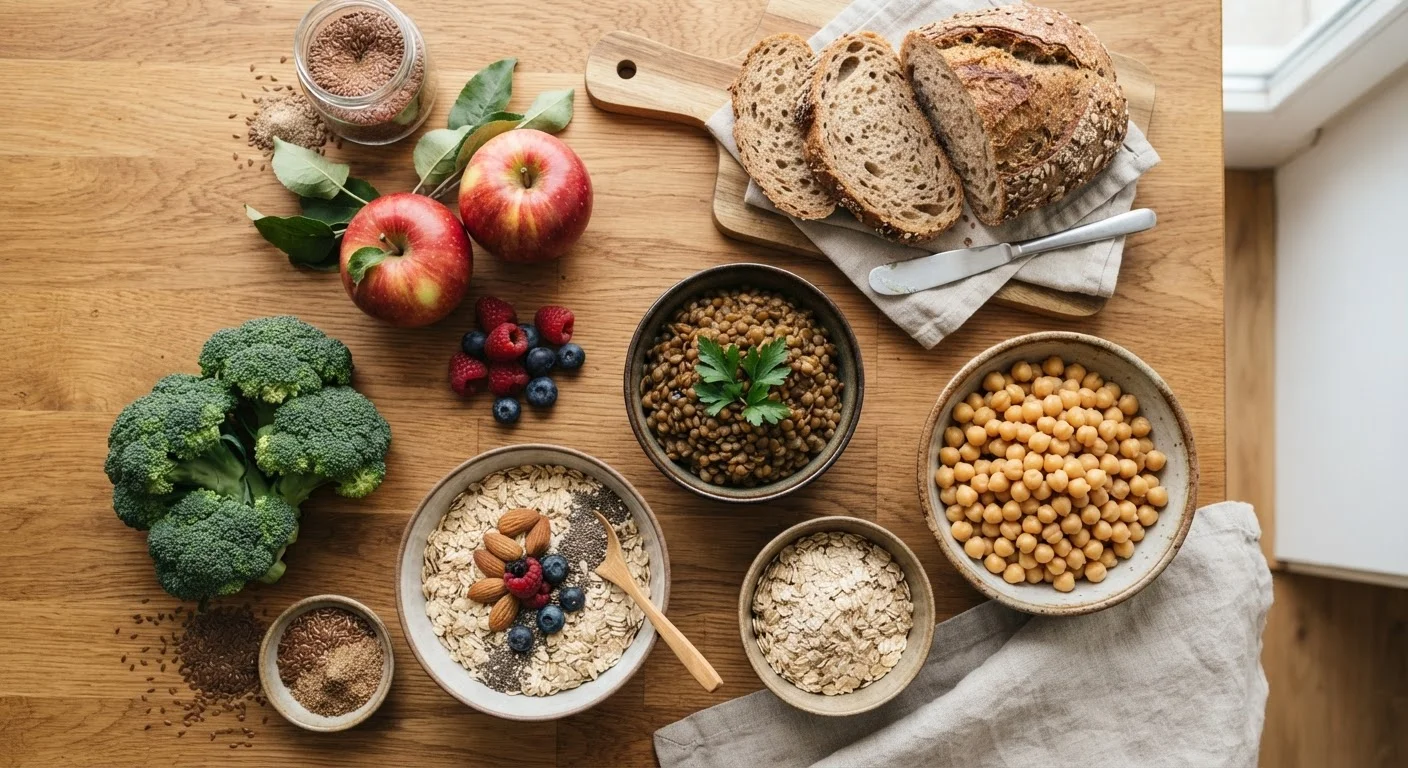
Photo: faqsvault.com editorial
Key Takeaways
- Most adults in the US consume significantly less fibre than generally recommended guidelines suggest.
- Fibre supports digestion, helps sustain feelings of fullness, and may contribute to long-term cardiovascular health.
- Soluble and insoluble fibre have different but complementary roles — variety in plant foods helps cover both.
- Whole grains, legumes, vegetables, fruits, and nuts are among the richest everyday sources of dietary fibre.
- Increasing fibre intake gradually, alongside adequate hydration, tends to be better tolerated than sudden large changes.
Why Fibre Gets Overlooked
In a nutrition landscape crowded with conversations about protein, healthy fats, and low-carb diets, fibre tends to slip quietly into the background. It doesn't build muscle, it isn't a source of fuel in the conventional sense, and it rarely headlines a wellness trend. Yet a growing body of research consistently points to dietary fibre as one of the most broadly beneficial components of a balanced diet — and one that most people in the United States are not eating enough of.
Understanding what fibre actually is and what it does in the body is a useful starting point — not to count grams obsessively, but to make sense of why plant-rich eating patterns consistently appear in nutrition research. If you've ever wondered about the science behind some of those claims, our exploration of common nutrition myths offers helpful context.
The Two Types of Fibre — and What Each Does
Fibre is broadly divided into two categories: soluble and insoluble. Both are found in plant foods, and most whole foods contain a mixture of the two.
Soluble fibre dissolves in water and forms a thick, gel-like substance in the digestive tract. This slows digestion, which can help moderate blood sugar responses after eating and may contribute to lower LDL (low-density lipoprotein) cholesterol levels over time. Oats, barley, apples, citrus fruits, and legumes like lentils and black beans are all notable sources.
Insoluble fibre does not dissolve in water. It adds bulk to stool and helps material move through the intestines more efficiently, supporting regular bowel function. Whole wheat products, bran, many vegetables, and the skins of fruits are good sources.
Beyond these two categories, researchers have increasingly focused on a specific subset — prebiotic fibre — which feeds the beneficial bacteria that live in the colon. Foods like garlic, onions, leeks, asparagus, and oats contain these fermentable fibres, which help sustain a diverse gut microbiome. That microbiome, in turn, is associated with a wide range of health indicators, from immune function to mood regulation — though science in this area is still evolving.
~5%
US adults meeting daily fibre recommendations
Research published in the American Journal of Lifestyle Medicine estimated that only around 5% of Americans meet the adequate intake levels for dietary fibre.
25–38g
Daily fibre target for most adults
The US Dietary Guidelines suggest 25g per day for women and 38g per day for men, with amounts varying by age — most people consume roughly half this amount.
2x
Higher fibre intake in high-fibre diet patterns
Traditional dietary patterns such as those observed in Mediterranean and many Asian populations tend to include two or more times the fibre of typical Western diets, according to comparative nutrition research.
Where the Gap Comes From
Data from the US Dietary Guidelines Advisory Committee consistently shows that dietary fibre is among the most under-consumed nutrients in the American diet. The shift toward heavily processed foods — which typically have most of their original fibre stripped out during manufacturing — is a major factor. White bread instead of whole grain, juice instead of whole fruit, refined cereals instead of oats: each of these common substitutions represents a significant reduction in fibre intake.
It's worth noting that fibre doesn't appear on its own. It travels with vitamins, minerals, and phytonutrients (plant compounds with various biological effects) that are also lost in processing. This is why nutrition researchers generally favour food-based approaches over isolated supplementation — the whole is often more than the sum of its parts. Our overview of macronutrients explains this kind of nutritional context in more depth.
Another contributor to the gap is simply awareness. Many people don't think of fibre as a nutrient to pay attention to, particularly compared to protein or fat. Knowing how to read a nutrition label can make it easier to spot fibre content in everyday food choices without any complicated tracking.
Practical Ways to Eat More Fibre
There's no single right way to increase fibre intake, and the best approach is the one that fits naturally into your existing eating habits. A few simple shifts tend to make a noticeable difference:
- Swap refined grains for whole grain versions — whole wheat bread, brown rice, whole grain pasta, or oats at breakfast.
- Add legumes to meals you already enjoy — lentils in soups, chickpeas in salads, or beans folded into a grain bowl.
- Eat fruit whole rather than juiced — the skin and pulp hold a significant portion of the fibre.
- Include more vegetables, particularly those eaten with their skins or in larger portions — broccoli, carrots, sweet potato, and leafy greens all contribute meaningfully.
- Snack on nuts and seeds, which offer both fibre and healthy fats.
One widely shared caution: increasing fibre intake too quickly can cause temporary bloating or digestive discomfort. Gradual changes — adding one or two new fibre-rich foods per week — tend to be better tolerated. Staying well hydrated also matters, since fibre needs water to do its job effectively. Our piece on hydration and nutrition covers that connection in more detail.
Increase Fibre Gradually for Best Results
For those following plant-focused eating patterns, fibre intake is often naturally higher — though there are other nutrients worth keeping in mind. Our guide to plant-based nutritional considerations offers a balanced look at what to be aware of.
This article is for general informational purposes only and does not constitute medical or nutritional advice. Please consult a qualified healthcare professional or registered dietitian for guidance tailored to your individual health needs.
Frequently Asked Questions
All published content on this website is for informational and educational purposes only and should not be taken as professional advice. We recommend that readers seek expert opinion before making any decisions. The website is not responsible for any actions taken based on the information provided on this website. We are not liable for any inaccuracies, modifications, or omissions in information. Moreover, external links or third-party content are provided for convenience; we are not liable for their correctness. Users are advised to verify every piece of information before they use it for any purpose.