
Digital Twins: The Industrial Concept Now Entering the Home

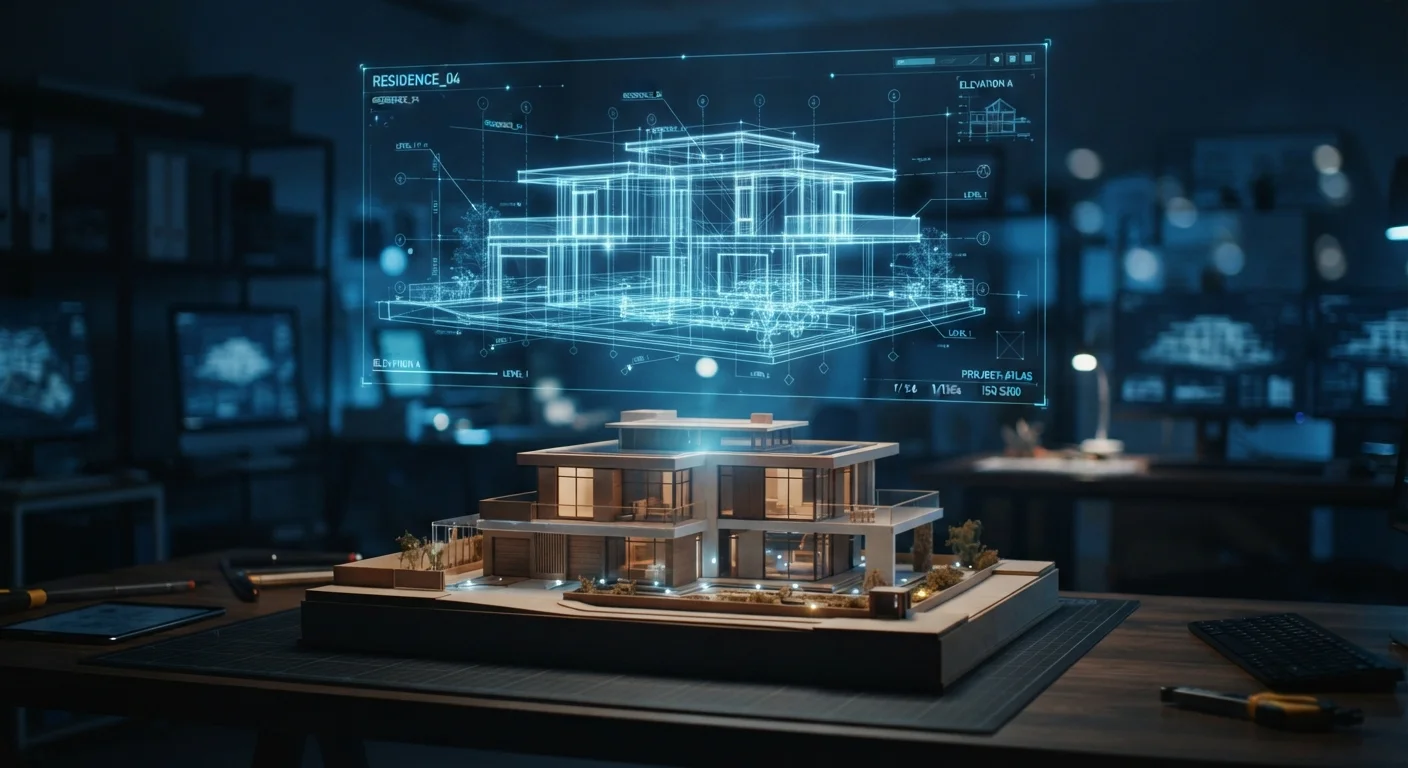
Photo: faqsvault.com editorial
Key Takeaways
- Digital twins are virtual replicas of real objects that update continuously using live data.
- The concept originated in aerospace and manufacturing, where it reduced costly physical testing.
- Smart home technology is now introducing simplified digital twin principles to everyday households.
- Digital twins can help predict maintenance needs, optimize energy use, and improve safety.
- As more home devices connect online, data privacy considerations become increasingly important.
Where Digital Twins Came From
The phrase "digital twin" may sound like something out of science fiction, but the concept has been quietly powering some of the world's most complex industries for decades. NASA used early forms of the idea during its Apollo program — creating physical replicas of spacecraft that ground teams could test and troubleshoot when crews were in orbit. By the 2000s, the concept had formalized, and manufacturing giants began building virtual models of jet engines, turbines, and entire factory floors.
The core idea is straightforward: if you can simulate an object virtually and feed it real data, you can understand — and influence — that object without the cost or risk of physical experimentation. A manufacturer can run a virtual engine through thousands of simulated hours to find wear patterns before a single part fails in the real world. A city planner can model traffic flow across a digital replica of an intersection before repaving a single road.
This industrial origin matters because it shapes how digital twins are built: with a focus on precision, continuity, and the ability to predict, not just describe.
How the Technology Actually Works
Three components make a digital twin function: sensors, connectivity, and software. Sensors on the physical object collect real-time data — temperature, pressure, movement, energy draw. That data travels through a network connection (often over the internet) to a software platform that maintains and continuously updates the virtual model.
The model isn't just a mirror, though. It can be used to run simulations: "What happens to this component if the temperature rises 20 degrees?" or "How much energy would we save if we adjusted the operating schedule?" The answers come from the virtual world, protecting the physical one from unnecessary strain or risk.
$73.5B
Projected global digital twin market size by 2027
According to market research firm MarketsandMarkets, the digital twin market is expected to grow substantially as adoption expands from industrial to commercial and consumer sectors.
~75B
IoT devices projected globally by 2025
Statista projects the number of connected IoT devices worldwide will reach this level, providing the sensor infrastructure that consumer-facing digital twin applications depend on.
36%
Of manufacturers already using digital twins
A Capgemini Research Institute survey found more than a third of manufacturing organizations had implemented digital twin technology, reflecting its maturity in industrial settings.
It's also worth understanding what a digital twin is not. It's not a static dashboard that shows you current readings. It's not a simple schematic or floor plan. What distinguishes a true digital twin is that it evolves alongside its physical counterpart — every update, every wear pattern, every operating change is reflected in the virtual copy.
From Factory Floor to Living Room
The migration of digital twin concepts toward the home is happening gradually, driven by the rapid growth of smart home technology. Modern homes increasingly contain dozens of connected devices — thermostats, appliances, lighting systems, security cameras, HVAC units — each generating a stream of operational data. When a smart home platform connects and interprets all of that data together, it begins to function, at least in principle, like a simplified digital twin of the home itself.
Some home energy platforms already create virtual models of a property's insulation, window placement, and appliance usage to predict heating and cooling costs, suggest optimizations, and flag inefficiencies. HVAC manufacturers are exploring digital replicas of home systems that could predict filter changes or compressor failures weeks before they occur. Appliance makers are experimenting with models that track usage cycles to anticipate service needs.
For the everyday homeowner, this might eventually mean fewer unexpected breakdowns, lower utility bills informed by simulation rather than guesswork, and smarter automation that reflects how a home is actually lived in — not just how it was programmed to behave. If you're exploring how connected devices already work in the home, getting started with smart home technology is a useful place to begin.
The Privacy Dimension You Shouldn't Overlook
Any technology that builds a detailed, continuously updated model of your home and how you use it raises legitimate questions about data. Digital twins — even simplified consumer versions — depend on persistent data collection. That means information about when you're home, how you use your appliances, what temperature you prefer, and how energy moves through your space is being captured and processed, often by third-party platforms.
This doesn't make the technology inherently dangerous, but it does mean awareness matters. Questions worth asking include: Where is this data stored? Who can access it? Can it be shared with insurers, sold to advertisers, or subpoenaed in legal proceedings? Understanding the data practices behind connected home systems is increasingly part of being an informed technology user. Our overview on privacy in the age of persistent connectivity breaks down the key concepts worth understanding.
For a broader look at how connected devices fit together in daily life, everyday gadgets explained offers helpful context on what's already in most homes and how these systems interact.
What to Watch For Going Forward
Digital twins won't transform the average home overnight. The industrial versions took years of investment in infrastructure, standards, and expertise to mature. Consumer applications are earlier on that curve. But the direction of travel is clear: as sensors become cheaper, connectivity more reliable, and AI-driven analysis more accessible, the idea of a living virtual model of your home — one that helps you maintain it, optimize it, and understand it — moves from abstract possibility to practical reality.
For curious readers, the value of understanding digital twins now isn't about buying into a specific product. It's about recognizing a conceptual shift in how technology relates to the physical world. The devices in your home are increasingly not just tools that respond to commands — they're data sources that can, in aggregate, build a picture of how your home functions. That picture, when used well, can be genuinely useful. Navigating your digital life thoughtfully starts with understanding what these systems are actually doing.
Frequently Asked Questions
All published content on this website is for informational and educational purposes only and should not be taken as professional advice. We recommend that readers seek expert opinion before making any decisions. The website is not responsible for any actions taken based on the information provided on this website. We are not liable for any inaccuracies, modifications, or omissions in information. Moreover, external links or third-party content are provided for convenience; we are not liable for their correctness. Users are advised to verify every piece of information before they use it for any purpose.