
Property Ownership for Beginners: Where to Start When You Know Nothing

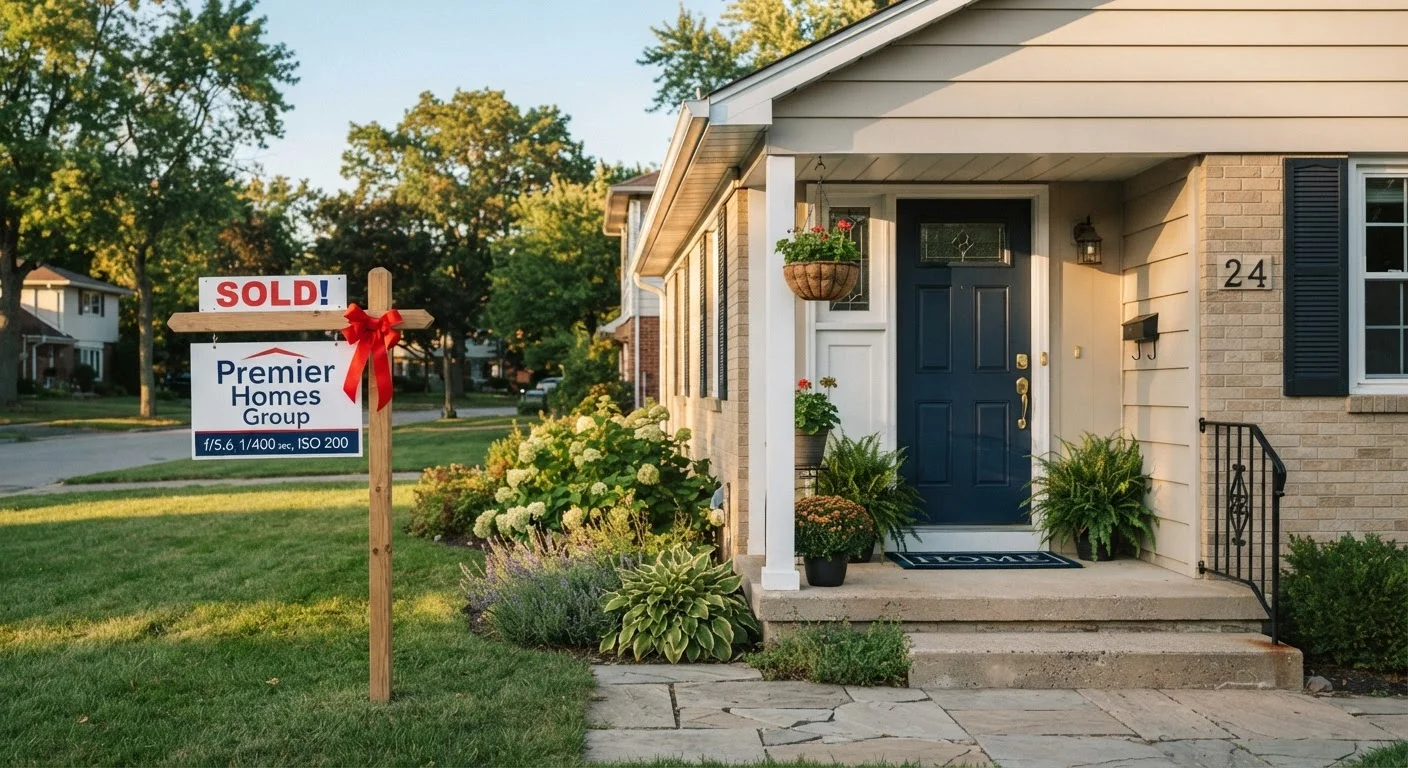
Photo: faqsvault.com editorial
Key Takeaways
- Owning property means holding legal title — a formal recorded right — not just possessing keys.
- A mortgage is a loan secured against the property itself; your lender holds a lien until it is repaid.
- Closing costs typically add 2–5% to the purchase price and catch many first-time buyers off guard.
- Title transfer is a legal process with required documentation; errors can create lasting ownership disputes.
- Ongoing ownership costs — taxes, insurance, maintenance — are separate from your monthly mortgage payment.
What Property Ownership Actually Means
Owning a home is one of the most significant financial and legal commitments most people will ever make — yet few buyers start out knowing what ownership actually entails. It is more than having keys and a place to sleep. Owning property means holding legal title: a formally recorded right to possess, use, and (with certain limitations) alter or sell that property.
That right is documented in public records through a deed — a legal instrument that transfers ownership from one party to another. When you buy a home, the seller signs a deed conveying the property to you, which is then recorded with the local government. This recording is what makes your ownership official and visible to the public.
Ownership also comes with obligations. Property taxes are assessed by local governments and must be paid to avoid liens or foreclosure. You are responsible for maintaining the property and complying with local codes and zoning rules. If you belong to a homeowners association (HOA), additional rules and fees apply. Understanding these responsibilities before you buy is just as important as understanding the purchase itself. For a full look at how ownership contrasts with renting, see the Renting & Owning resource hub.
The Key Terms You Need to Know First
Real estate comes with its own vocabulary, and not knowing the words can leave you vulnerable in negotiations or confused at the closing table. Here are the foundational terms every beginner should understand before they go any further.
Title
The legal right to own a specific property. Clear title means no other party has a valid claim against the property.
Deed
The legal document that formally transfers property ownership from a seller to a buyer. It is signed at closing and recorded with the local government.
Mortgage
A loan used to finance a property purchase, secured by the property itself. If the borrower stops making payments, the lender can initiate foreclosure to recover the asset.
Escrow
A neutral holding arrangement where funds or documents are held by a third party until specified conditions are met — used during the buying process and often for ongoing tax and insurance payments.
Equity
The portion of a property's value that you own outright — calculated as the property's current market value minus any outstanding mortgage balance.
Lien
A legal claim against a property, typically for unpaid debts. A mortgage is a type of lien; unpaid property taxes can also create a lien that must be resolved before a property can be sold.
Closing
The final step in a real estate transaction where ownership officially transfers, documents are signed, funds are disbursed, and the deed is recorded.
Earnest Money
A deposit made by a buyer when submitting a purchase offer, held in escrow to show serious intent. It is typically applied toward the down payment or closing costs at settlement.
For a deeper reference on property language, the Plain-English Guide to Real Estate Terms covers a wide range of concepts from conveyancing to easements.
How the Buying Process Works, Step by Step
The path from "thinking about buying" to "holding the keys" follows a recognizable sequence, even if the details vary by state and transaction.
- Assess your finances. Understand your credit score, your debt-to-income ratio, and how much you can realistically afford — not just in monthly payments, but total costs. Managing existing debt before taking on a mortgage matters more than most buyers realize. See the guide to managing debt for context.
- Get pre-approved for a mortgage. Before seriously shopping, approach lenders for pre-approval. This clarifies your borrowing limit and shows sellers you are a credible buyer.
- Search for a property. Work with a licensed buyer's agent or explore listings independently. Define your must-haves versus nice-to-haves early.
- Make an offer. Your agent (or attorney, in some states) will draft a purchase agreement — a legally binding contract once accepted. Earnest money, a deposit held in escrow, typically accompanies this offer.
- Inspections and due diligence. Hire a licensed home inspector to evaluate the property's condition. Issues discovered can be used to renegotiate price or request repairs.
- Closing. The final step involves signing documents, paying closing costs, and having the deed recorded. Legal ownership transfers at this point. The full mechanics of this stage are explained in detail in how a property's title is transferred.
Costs Beyond the Purchase Price
One of the most common financial surprises for first-time buyers is the gap between the sale price and the total amount they actually spend. Budgeting only for the down payment and monthly mortgage is a mistake.
Build a Closing Cost Buffer Into Your Budget
Here is what to account for:
- Closing costs: Lender fees, title insurance, attorney fees, transfer taxes, and prepaid items like homeowners insurance and property tax escrow. These commonly total 2–5% of the loan amount.
- Home inspection fees: Typically $300–$500 for a standard inspection, though specialized tests (radon, sewer, pests) add more.
- Moving costs: Often underestimated, especially for long-distance moves.
- Immediate repairs or updates: Even well-maintained homes may need work before or shortly after move-in.
- Ongoing ownership costs: Property taxes, homeowners insurance, HOA dues (if applicable), and routine maintenance. A common rule of thumb is to budget roughly 1% of the home's value annually for maintenance — though actual costs vary widely by age, condition, and location.
Being clear-eyed about these numbers before you commit is essential. This is general financial information; for guidance tailored to your situation, consult a licensed financial professional.
What Happens After You Close
Closing day is a milestone, not a finish line. Once you hold title to your property, a new set of responsibilities begins.
Your mortgage servicer — which may be different from the lender who originated your loan — will send monthly statements and manage your escrow account, which collects funds for taxes and insurance. Missing payments can have serious consequences, including damage to your credit and, eventually, foreclosure proceedings, so staying current is critical.
From a practical standpoint, you will want to change your address with government agencies and financial institutions, update your homeowners insurance, and familiarize yourself with your home's systems: HVAC, water shutoff, electrical panel, and more. Keeping records of repairs and improvements is worthwhile both for maintenance planning and for future resale.
If you are settling into a new space for the first time, the First-Timer's Guide to Decorating a New Home can help you think through how to make it your own without costly missteps.
Owning property is a long-term commitment that rewards preparation. The more clearly you understand what you are buying into — legally, financially, and practically — the better positioned you will be to make it work for you.
This article is for general informational and educational purposes only and does not constitute financial, legal, or real estate advice. Readers should consult qualified professionals before making property or financial decisions.
Frequently Asked Questions
All published content on this website is for informational and educational purposes only and should not be taken as professional advice. We recommend that readers seek expert opinion before making any decisions. The website is not responsible for any actions taken based on the information provided on this website. We are not liable for any inaccuracies, modifications, or omissions in information. Moreover, external links or third-party content are provided for convenience; we are not liable for their correctness. Users are advised to verify every piece of information before they use it for any purpose.