
The Language of Property: A Plain-English Guide to Real Estate Terms

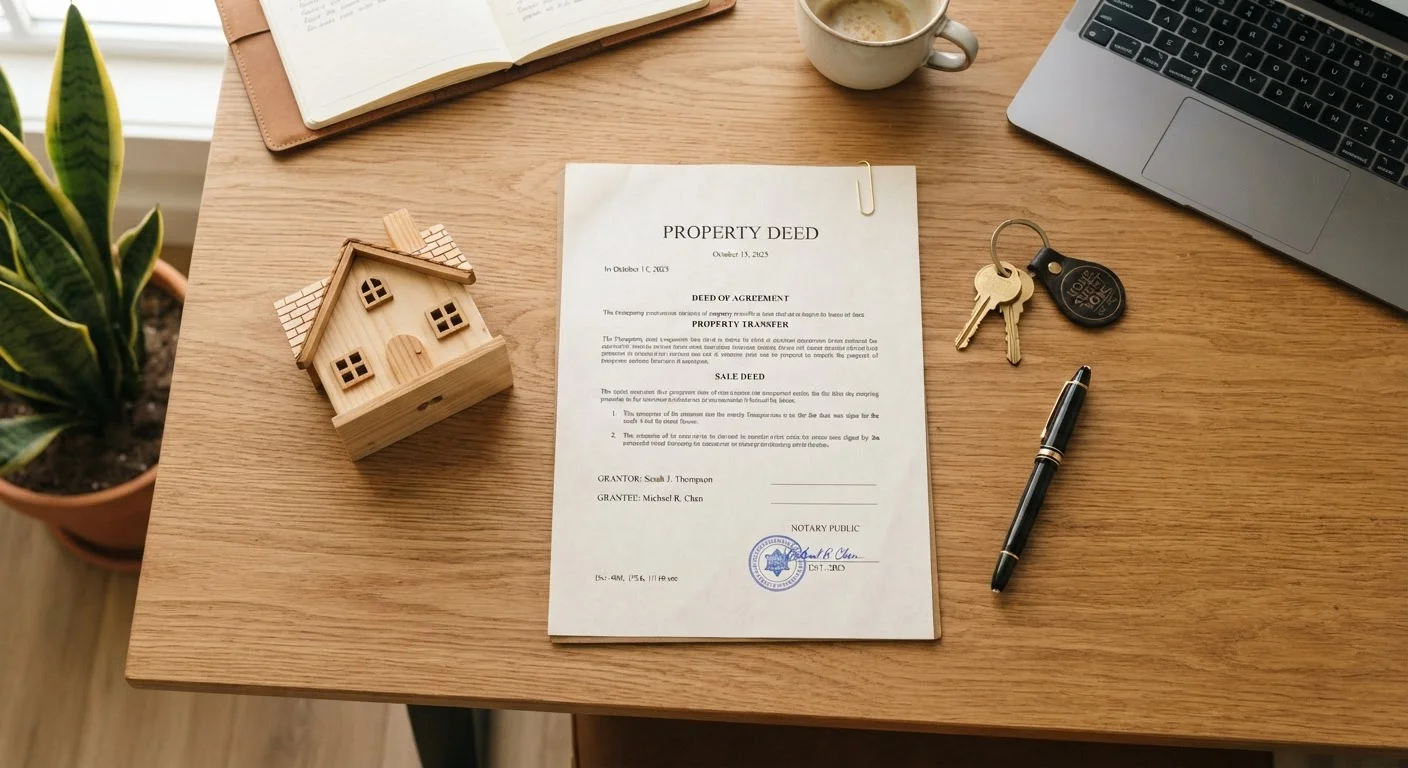
Photo: faqsvault.com editorial
Why Property Language Matters
Buying or renting property is one of the largest financial decisions most people make — yet the industry speaks in a dialect of its own. Terms like encumbrance, escrow, and amortization appear in documents you're expected to sign, often with little explanation. Understanding this vocabulary is not about becoming a real estate professional; it's about knowing what you're agreeing to.
This reference guide defines the terms you're most likely to encounter as a buyer, seller, renter, or homeowner in the United States. For a deeper dive into how legal ownership actually moves between parties, see our guide to property title transfers. And if you're navigating lease language as a renter, our plain-English lease breakdown covers the clauses you'll see most often.
Title
The legal right to own, use, and transfer a property. Holding title means the law recognizes you as the property's owner.
Deed
A signed legal document that transfers ownership of real property from one party (the grantor) to another (the grantee). Recording the deed in public records makes the transfer official.
Encumbrance
Any claim, lien, or restriction attached to a property that can affect how it is used or transferred. Examples include mortgages, easements, and tax liens.
Easement
A legal right allowing a third party to use a portion of another person's property for a specific, limited purpose — such as a utility company accessing power lines.
Conveyancing
The legal process of transferring property ownership from seller to buyer, typically managed by a real estate attorney or title company in the US.
Loan-to-Value (LTV)
A ratio that compares the mortgage amount to the property's appraised value, expressed as a percentage. Lenders use it to assess lending risk.
Amortization
The process of paying off a loan through regular, scheduled payments that cover both principal and interest. Early payments are weighted toward interest; later payments shift toward principal.
Escrow
A neutral arrangement in which a third party holds funds or documents until conditions of a transaction are fulfilled. Used during home purchases and ongoing to pay taxes and insurance.
Appraisal
A licensed professional's independent estimate of a property's current market value, usually required by a lender before approving a mortgage.
Lien
A legal claim against a property, often used as security for a debt. Common liens include unpaid contractor bills and tax obligations. A lien must typically be resolved before a property can be sold.
Private Mortgage Insurance (PMI)
Insurance that protects the lender — not the borrower — if the borrower defaults. Usually required when the loan-to-value ratio exceeds 80%.
Earnest Money
A deposit paid by a buyer to demonstrate serious intent when making an offer on a property. Typically held in escrow and applied to closing costs or the down payment at settlement.
Ownership, Title, and Legal Structure
Title is the legal concept of ownership — holding title to a property means the law recognizes you as its owner. Title is typically evidenced by a deed, a formal written document that transfers ownership from one party to another. Before a sale closes, a title search reviews public records to confirm the seller has the legal right to sell and that no outstanding claims exist against the property.
An encumbrance is any claim, lien, or liability attached to a property that may limit the owner's ability to transfer it freely. Common encumbrances include liens — legal claims by creditors, often contractors or tax authorities — and easements, which grant another party the right to use a portion of the property for a specific purpose (such as a utility company running power lines across the back of a lot).
Conveyancing is the legal process of transferring property ownership from seller to buyer. In the US, this work is typically handled by a real estate attorney or a title company. The Renting & Owning hub offers broader context on how these processes fit into the property lifecycle.
Financing Terms Every Buyer Should Know
| Typical LTV threshold for PMI requirement | Above 80% (Standard US lending practice) |
| Standard US mortgage term | 30 years (Common US mortgage market benchmark) |
| Who performs a title search | Title company or real estate attorney (Standard US conveyancing practice) |
| Who an appraisal protects | Primarily the lender (Standard mortgage underwriting requirement) |
| What escrow holds during a purchase | Earnest money and closing funds (Standard US real estate transaction structure) |
Loan-to-Value ratio (LTV) compares the size of your mortgage to the appraised value of the property. A lower LTV generally signals less risk to lenders and may result in more favorable loan terms — though no specific outcome is guaranteed. Lenders typically require private mortgage insurance (PMI) when LTV exceeds 80%, adding to monthly housing costs.
Amortization describes how a loan is repaid over time through scheduled payments that cover both principal (the amount borrowed) and interest. In the early years of a standard 30-year mortgage, the majority of each payment goes toward interest; this ratio gradually shifts toward principal over time.
Escrow refers to a neutral third-party arrangement where funds or documents are held until specific conditions of a transaction are met. During a home purchase, earnest money is typically held in escrow. After closing, many lenders maintain an escrow account to collect and pay property taxes and homeowner's insurance on the borrower's behalf.
An appraisal is a licensed professional's estimate of a property's market value, usually required by lenders before approving a mortgage. It is distinct from a home inspection, which assesses the physical condition of the property — not its monetary value. For context on how market conditions affect valuations, the Housing Markets hub tracks US price trends and regional data.
This article provides general informational content about real estate terminology and is not financial, legal, or investment advice. Readers should consult a licensed real estate professional, attorney, or financial adviser for guidance specific to their circumstances.
All published content on this website is for informational and educational purposes only and should not be taken as professional advice. We recommend that readers seek expert opinion before making any decisions. The website is not responsible for any actions taken based on the information provided on this website. We are not liable for any inaccuracies, modifications, or omissions in information. Moreover, external links or third-party content are provided for convenience; we are not liable for their correctness. Users are advised to verify every piece of information before they use it for any purpose.