
What a Lease Agreement Actually Says: A Plain-English Breakdown

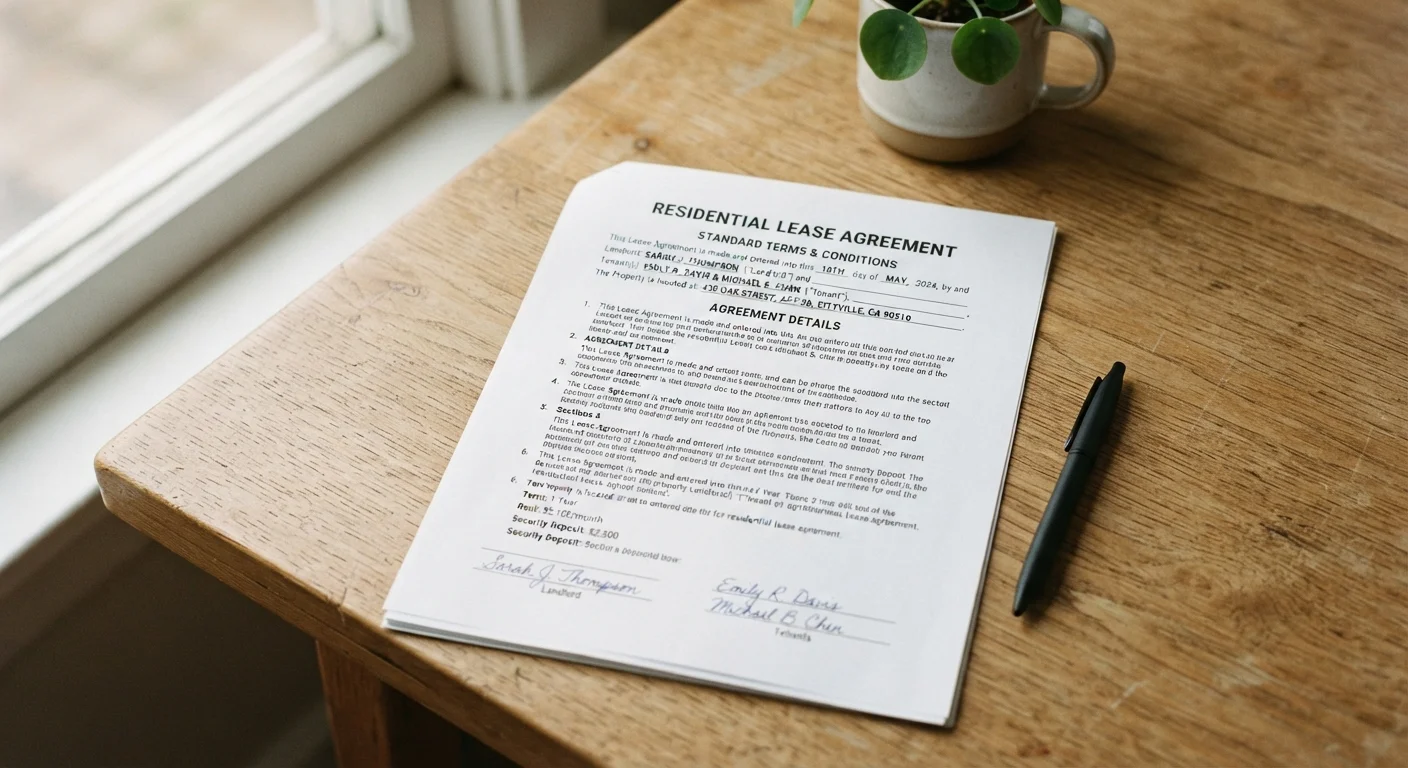
Photo: faqsvault.com editorial
Key Takeaways
- A lease is a legal contract — once signed, its terms are binding on both landlord and tenant.
- Key clauses cover rent amount, payment due dates, security deposit rules, and lease duration.
- Provisions on subletting, maintenance, and early termination vary widely between leases.
- State and local laws may override certain lease terms that violate tenant protections.
- Reading the full lease before signing — not just the rent figure — is essential.
Why Reading the Full Lease Matters
Most renters focus on the monthly rent figure and move-in date — and stop reading there. That's understandable: lease agreements are often dense, multi-page documents written in legal language. But the clauses buried on pages four and seven are frequently the ones that matter most when something goes wrong.
A lease is not a formality. It is a contract that defines your rights, your landlord's rights, and the financial consequences of nearly every scenario that could unfold during your tenancy. Understanding what it actually says — before you sign — puts you in a far stronger position throughout your rental period.
For a broader grounding in property terminology, the plain-English guide to real estate terms covers the vocabulary you're likely to encounter as both a renter and a potential future buyer.
The Core Clauses Every Lease Contains
While leases vary by state, city, and landlord, nearly every residential lease addresses the same fundamental topics. Here's what each section typically covers:
- Parties to the agreement: Names of every tenant legally bound by the lease, plus the landlord or property management company. Everyone named is equally responsible for complying with the lease terms.
- Lease term: The start and end dates of the tenancy. A fixed-term lease (typically 12 months) differs from a month-to-month arrangement, which either party can usually end with proper notice.
- Rent amount and due date: The monthly rent, the date it's due (often the first of the month), and any grace period before a late fee applies. The lease should also specify acceptable payment methods.
- Late fees: Many leases include a late fee clause — typically a flat dollar amount or a percentage of monthly rent — that kicks in after the grace period. State laws often cap how high these fees can go.
- Security deposit: The amount held by the landlord, the conditions under which it can be withheld, and the timeline for its return after move-out. This is a frequent source of disputes — see the guide to security deposits for a full breakdown.
Document Everything at Move-In
Clauses That Catch Renters Off Guard
Beyond the basics, several provisions routinely surprise renters — either because they didn't read them or because the language was unclear at the time of signing.
Subletting and Guest Policies
Most leases restrict or prohibit subletting without the landlord's written permission. Some also limit how long a non-tenant guest can stay — a relevant detail if you expect family to visit for extended periods. Violating these clauses can be grounds for lease termination.
Maintenance and Repair Responsibilities
Leases typically specify which repairs fall to the landlord and which are the tenant's responsibility. Landlords are generally obligated by law to maintain habitable conditions regardless of what the lease says — but tenant responsibilities for minor maintenance (replacing light bulbs, for instance) are contractual. Document any pre-existing damage in writing at move-in.
Early Termination
If you need to leave before the lease ends, the consequences depend entirely on the early termination clause. Some leases charge two or three months' rent as a penalty. Others require you to pay rent until a new tenant is found. A few states require landlords to actively seek a replacement tenant to limit your liability — but your lease and local law determine the specifics.
Renewal and Notice Requirements
Many leases auto-renew unless you provide written notice within a specified window — often 30 to 60 days before the end date. Missing this window can lock you into another full term or convert your lease to month-to-month with different conditions.
Before signing anything, the pre-signing checklist outlines what to inspect and ask your landlord during the evaluation stage.
What the Law Says — Regardless of What the Lease Says
A lease cannot override applicable law. State and local landlord-tenant statutes establish minimum protections for renters that apply even if the lease is silent or contradictory on those points. Common examples include:
- Habitability standards: Landlords must maintain heating, plumbing, and structural safety regardless of lease language.
- Security deposit limits and timelines: Many states cap deposit amounts and require itemized return within a specific number of days.
- Eviction procedures: A lease cannot waive a tenant's right to proper eviction notice and due process under state law.
- Retaliation protections: Landlords generally cannot legally raise rent or begin eviction proceedings in response to a tenant exercising legal rights, such as reporting a code violation.
Understanding where your lease ends and your legal protections begin is important context for any dispute. The overview of tenant rights covers these protections in practical detail.
If a clause in your lease appears to conflict with your state's landlord-tenant law, consult a licensed attorney or a local tenant advocacy organization — not just the landlord — for clarity before signing or acting on that provision.
This article provides general educational information about lease agreements and is not legal advice. Lease terms and landlord-tenant laws vary significantly by state and locality. Consult a qualified attorney or local tenant resource for guidance specific to your situation.
Frequently Asked Questions
All published content on this website is for informational and educational purposes only and should not be taken as professional advice. We recommend that readers seek expert opinion before making any decisions. The website is not responsible for any actions taken based on the information provided on this website. We are not liable for any inaccuracies, modifications, or omissions in information. Moreover, external links or third-party content are provided for convenience; we are not liable for their correctness. Users are advised to verify every piece of information before they use it for any purpose.