
Freehold vs Leasehold: Understanding What You Actually Own

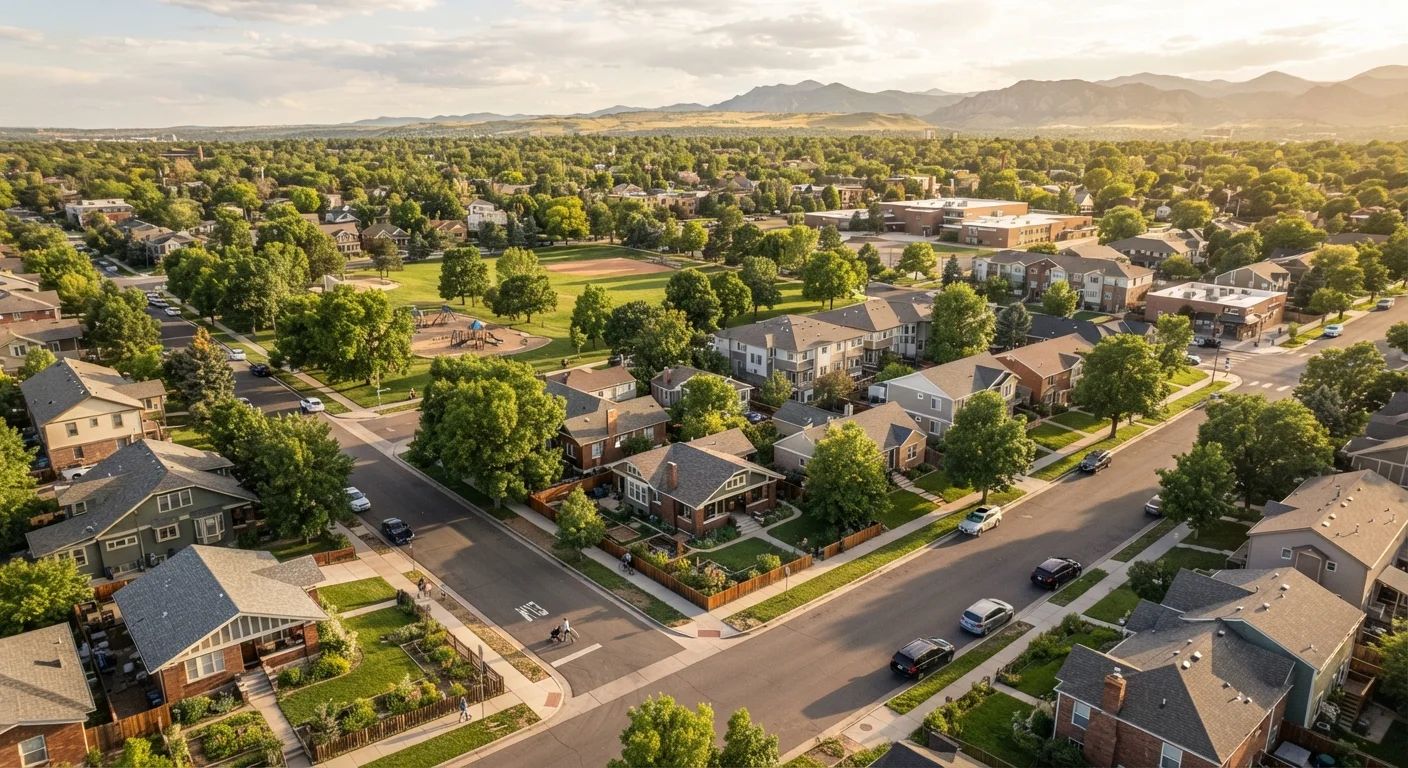
Photo: faqsvault.com editorial
Key Takeaways
- Freehold means you own the property and the land beneath it outright and permanently.
- Leasehold grants occupation rights for a defined period — ownership reverts to the freeholder when the lease expires.
- Leasehold properties can carry ongoing costs like ground rent and service charges.
- Short leases (under 80 years) can significantly complicate mortgage lending and resale.
- Leaseholders may have legal rights to extend their lease or purchase the freehold collectively.
- Always confirm the lease length and associated costs before making an offer on any leasehold property.
The Core Difference: Land Ownership
When you buy property, what you're actually acquiring comes down to one foundational question: do you own the land? That single distinction separates freehold from leasehold — and the practical consequences run much deeper than most first-time buyers expect.
With a freehold title, you own the property and the land it sits on, indefinitely. There's no expiration date on your ownership, no landlord above you in the chain, and generally no recurring fees tied to your occupancy rights. A freehold house, for example, is yours as long as you hold it — subject only to planning laws, mortgage obligations, and any covenants attached to the deed.
With a leasehold title, you purchase the right to occupy a property for a fixed term — often 99, 125, or 999 years at the point of original sale. The land itself remains owned by a separate party called the freeholder (sometimes also called the landlord, even if you're an owner-occupier, not a renter). When the lease runs down to zero, legal ownership of the property reverts to the freeholder — though long leases are commonly extended well before this becomes a practical concern.
For a broader grounding in how titles and deeds work together, see our guide to property ownership for beginners.
| Criterion | Freehold | Leasehold |
|---|---|---|
| Land ownership | You own the land outright | Freeholder retains land ownership |
| Duration | Permanent — no expiry | Fixed term (e.g. 99–999 years) |
| Ground rent | None | Typically required; varies by lease |
| Service charges | Not applicable (owner manages property) | Usually payable for shared areas |
| Mortgage availability | Generally straightforward | Restricted if lease is short (under ~80 years) |
| Common property type | Houses, detached and semi-detached | Apartments, condos, some new builds |
| Resale complexity | Lower — clear title | Higher — lease length and terms affect buyer pool |
The Hidden Costs of Leasehold
Leasehold ownership isn't just a time-limited title — it typically comes bundled with ongoing financial obligations that freehold buyers don't face.
Ground rent is a periodic payment made by the leaseholder to the freeholder, simply for occupying land the freeholder owns. Amounts vary widely: some leases carry a nominal annual ground rent of a few dollars, while others can escalate substantially over time. Escalating ground rent clauses have drawn significant scrutiny in recent years, as some buyers discovered their ground rent was set to double at fixed intervals, creating affordability issues and deterring future buyers.
Service charges are separate fees collected — usually by a managing agent on behalf of the freeholder — to cover maintenance of shared areas, building insurance, and major repairs. In a well-managed building, these charges are transparent and proportionate. In poorly managed ones, they can be unpredictable or inflated.
Leaseholders generally have legal rights to challenge unreasonable service charges and to request a breakdown of expenditures, though exercising those rights may require legal assistance.
Understanding what any lease agreement actually commits you to financially is essential before signing. Our plain-English breakdown of lease agreements can help decode the terminology you'll encounter.
Why Lease Length Matters More Than Most Buyers Realize
The remaining term on a lease at the point of purchase is one of the most consequential — and frequently overlooked — factors in a leasehold transaction.
Most mortgage lenders require a minimum number of years remaining on the lease at the end of the mortgage term, often 70 to 85 years depending on the lender. A property with 75 years left on its lease may already be difficult to finance conventionally, and one with fewer than 70 years is often effectively unmortgageable without an extension in place.
Below the 80-year threshold, lease extension costs typically rise sharply. This is because a legal calculation known as the marriage value — the uplift in property value created by extending the lease — becomes payable to the freeholder when fewer than 80 years remain. Buyers purchasing close to this threshold may face significant extension costs shortly after purchase.
Leaseholders often have statutory rights to extend their lease (adding 90 years on top of the remaining term, in many jurisdictions) after owning the property for a qualifying period. Groups of leaseholders in a building may also have the right to collectively purchase the freehold — a process called enfranchisement. Both routes involve formal valuation processes and legal costs, and consulting a solicitor experienced in leasehold law is advisable before pursuing either.
Once ownership is confirmed, how the title is legally transferred to a new buyer follows its own formal process — covered in our article on how property title is transferred.
~4.98M
Leasehold dwellings in England
According to UK government estimates, around 4.98 million dwellings in England were leasehold as of recent official surveys — the majority being flats.
80 years
Critical lease threshold for costs
Once a lease drops below 80 years, statutory lease extension calculations typically trigger 'marriage value' payments to the freeholder, increasing extension costs substantially.
70–85 years
Minimum lease many lenders require
Most conventional mortgage lenders require at least 70 to 85 years remaining on a lease at the end of the loan term — making short leases a common financing obstacle.
Making an Informed Decision
For most standalone houses, freehold is the default — and the simpler choice. For apartments and condos, leasehold is often the only available structure, which makes understanding what you're buying all the more important.
If you're evaluating a leasehold property, key questions to investigate before committing include:
- How many years remain on the lease?
- What is the current ground rent, and does it escalate?
- What are the annual service charges, and what do they cover?
- Has the building had any recent major works, or are significant costs anticipated?
- Does the freeholder have a reputation for fair management?
Your solicitor should review the lease in detail before exchange of contracts. Don't treat lease review as a formality — it's one of the most important elements of legal due diligence in a leasehold purchase.
Thinking about ownership alongside someone else? The structure of co-ownership adds another layer of legal consideration — our article on buying property jointly explains how shared ownership rights work in practice.
This article provides general information about property ownership terminology and is not legal or financial advice. For guidance specific to your situation, consult a qualified solicitor or licensed real estate professional familiar with the laws in your jurisdiction.
All published content on this website is for informational and educational purposes only and should not be taken as professional advice. We recommend that readers seek expert opinion before making any decisions. The website is not responsible for any actions taken based on the information provided on this website. We are not liable for any inaccuracies, modifications, or omissions in information. Moreover, external links or third-party content are provided for convenience; we are not liable for their correctness. Users are advised to verify every piece of information before they use it for any purpose.