
Trend Fatigue Is Real — and Here's What Drives It

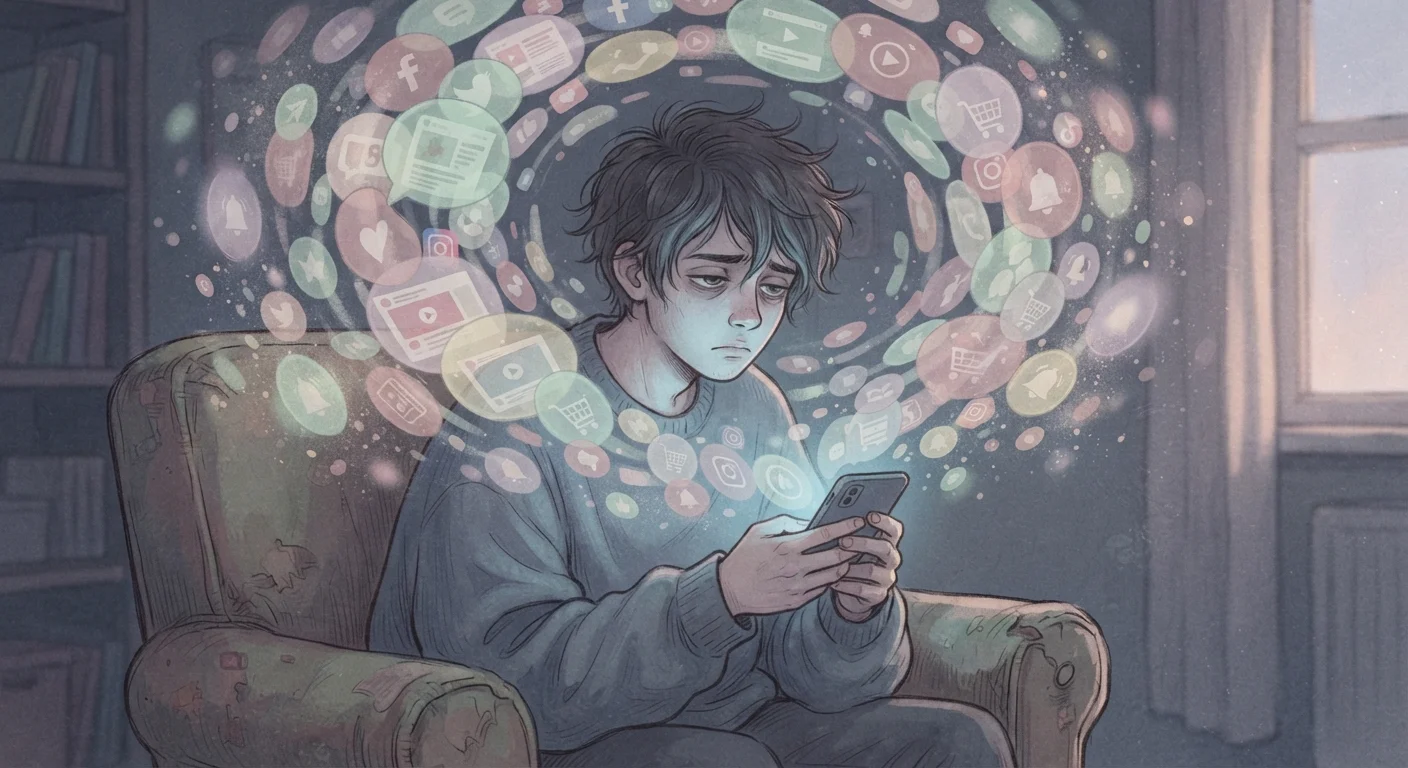
Photo: faqsvault.com editorial
Key Takeaways
- Trend fatigue is a genuine psychological response to the relentless pace of internet culture.
- Social media algorithms accelerate trend cycles, compressing what once took years into weeks.
- Cognitive overload and habituation explain why novelty stops feeling novel so quickly.
- Trend fatigue can lead to cultural disengagement, nostalgia-seeking, and a rejection of mainstream culture.
- Understanding trend fatigue helps people make more intentional choices about media consumption.
- Some degree of fatigue may be a healthy signal to slow down and reconnect with personal values.
The Exhausting Speed of Modern Culture
Think back to the last time something felt genuinely fresh online. Chances are, within days of discovering it, you were already seeing parody accounts, brand integrations, and thinkpieces announcing it was "over." That whiplash — from discovery to oversaturation to mockery in what feels like a single news cycle — is the engine behind trend fatigue.
The phenomenon isn't simply about having too many choices. It's about the pace at which culture now moves. Where a fashion trend once took seasons to filter from runway to street level, today's internet can elevate an obscure aesthetic and exhaust it within a single week. Platforms built around virality — optimized to push content that generates the most immediate engagement — have fundamentally rewritten the rhythm of cultural life. To understand more about what fuels that virality engine, see what makes something go viral.
The result is a culture that feels permanently in fast-forward. And for many people, that relentlessness is starting to feel less like excitement and more like noise.
The Psychology Behind Feeling Overwhelmed by Trends
There's a solid psychological explanation for why trend fatigue happens, and it starts with how our brains respond to novelty. Humans are wired to pay attention to new stimuli — it's an ancient survival mechanism. When something new appears, the brain releases dopamine, creating that small rush of pleasure and curiosity. But the brain also habituates quickly: the more frequently a stimulus repeats, the less it registers as exciting.
Social media exploits this novelty response constantly, but at a pace that quickly exhausts it. The result is a kind of hedonic treadmill for culture: you need ever-newer, more extreme trends to feel the same level of interest, and even that fades faster each time. Eventually, the brain begins treating the entire trend cycle as background noise.
Trend Fatigue Is Not the Same as Being Disinterested
Cognitive overload compounds this. When people are exposed to dozens of competing trends simultaneously — each demanding attention, opinion, and sometimes participation — the mental effort of processing them becomes genuinely taxing. The response isn't engagement; it's shutdown.
How the Algorithm Accelerates the Cycle
Trend fatigue isn't accidental — it's partly a structural outcome of how major platforms are designed. Recommendation algorithms reward content that generates rapid engagement: shares, comments, reactions. This means that breakout content gets pushed to exponentially larger audiences in very short windows. What might once have been a slow-building cultural moment now peaks and collapses within days.
This acceleration means that trends don't just arrive faster — they also die faster. The lifecycle that once allowed time for a cultural idea to breathe, evolve, and become meaningful is now squeezed so tight that many trends never get the chance to develop depth. As a result, people are increasingly able to distinguish between what goes viral and what actually matters — a distinction explored in why some trends disappear overnight while others reshape society.
~48%
Adults who feel overwhelmed by online information
Pew Research Center surveys have consistently found that roughly half of US adults report feeling overwhelmed by the amount of information they encounter online.
Days
Average lifespan of a viral trend in the algorithm
Media analysts and platform researchers have noted that the peak engagement window for most viral content on major short-form platforms now measures in days, compared to weeks or months a decade ago.
2–3x
Increase in content output on major platforms over a decade
Studies on internet content volume suggest the sheer amount of content uploaded daily to major platforms has grown several times over in the past decade, intensifying competition for attention.
Understanding how trends move from subculture to mainstream can help explain why so many feel hollow by the time they reach mass awareness — the authenticity that made them interesting in the first place has been stripped away.
What Trend Fatigue Looks Like in Everyday Life
Trend fatigue doesn't usually announce itself. It tends to creep in quietly — a growing irritation when you see another brand jumping on a meme, a reflexive eye-roll at phrases that were charming two weeks ago, or a sense of relief when you realize you have no idea what everyone on social media is talking about.
At a cultural level, trend fatigue often triggers predictable countermovements. Nostalgia cycles intensify as people seek the comfort of the familiar. Niche subcultures gain appeal precisely because they feel insulated from the mainstream churn. Some people opt out of social platforms altogether, at least temporarily, seeking what researchers sometimes call "digital detox." These responses can be healthy recalibrations — though the conversation around how we discuss cultural shifts matters too, as explored in navigating conversations about culture and trends.
Finding Your Footing in a World Obsessed With What's Next
Recognizing trend fatigue is the first step toward responding to it thoughtfully. It's worth asking: are you consuming content because it genuinely interests you, or because the algorithm has placed it in front of you so many times that it feels obligatory? These are different experiences, and the distinction matters.
Trend fatigue, at its core, is a signal worth listening to. It often reflects a gap between the pace of digital culture and our actual human capacity for meaningful engagement. Slowing down — spending more time with ideas, aesthetics, and communities that feel personally resonant rather than algorithmically served — isn't falling behind. It's a form of curation. The same critical lens applies to other fast-moving spaces; reading tech headlines without getting misled offers a useful framework for separating signal from noise when hype is everywhere.
In a culture obsessed with what's next, deciding what actually deserves your attention is one of the most quietly radical choices you can make.
Frequently Asked Questions
All published content on this website is for informational and educational purposes only and should not be taken as professional advice. We recommend that readers seek expert opinion before making any decisions. The website is not responsible for any actions taken based on the information provided on this website. We are not liable for any inaccuracies, modifications, or omissions in information. Moreover, external links or third-party content are provided for convenience; we are not liable for their correctness. Users are advised to verify every piece of information before they use it for any purpose.