
How Fandoms Became Political: The Cultural Power of Organised Stan Communities

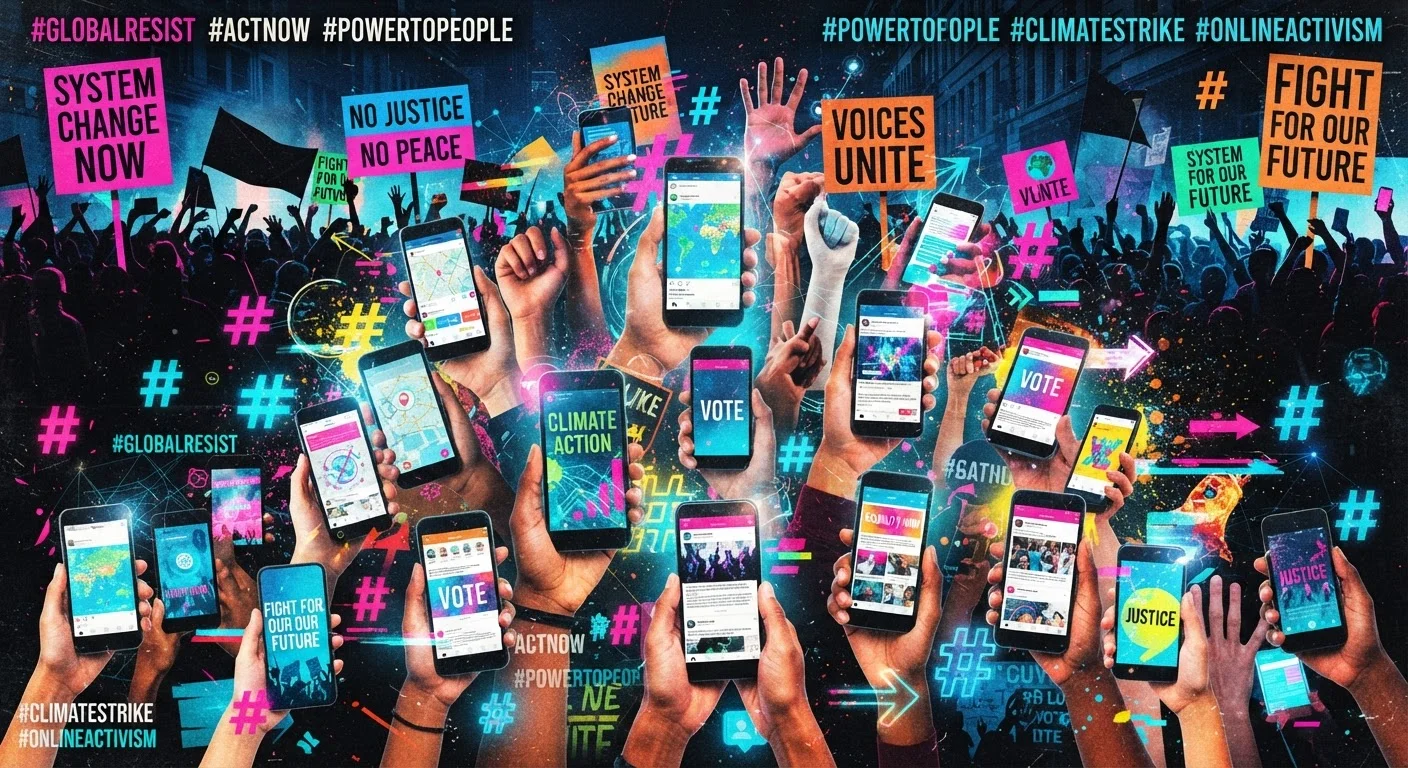
Photo: faqsvault.com editorial
Key Takeaways
- Stan communities have evolved from passive fan bases into coordinated, politically active networks.
- Tactics like mass-reporting, hashtag flooding, and ticket reservation raids have been used for both cultural and political ends.
- The line between fan identity and civic identity is increasingly blurred for many young people.
- Fan mobilisation can amplify social movements but also risks trivialising serious causes.
- Brands, campaigns, and media outlets now actively court stan communities as an influence force.
From Fan Clubs to Digital Armies
The idea of devoted fans organising around shared passion is nothing new — fan clubs have existed since the days of Frank Sinatra's swooning audiences. What changed is infrastructure. Social media platforms gave dispersed fan communities a nervous system: shared group chats, coordinated posting schedules, and real-time communication tools that allow thousands of people to act in near-perfect synchrony.
Twitter (now X), TikTok, and Discord transformed fan loyalty into something closer to a civic organisation. Fans learned to trend hashtags globally, to overwhelm platforms with coordinated reporting, and to mobilise donations overnight. These skills were honed in the service of streaming records and chart positions — but they didn't stay there. Cultural flashpoints have long shaped public discourse, and organised fandoms became one of the mechanisms through which that shaping happens.
The Mechanics of Stan Mobilisation
Understanding why stan communities are politically potent requires looking at how they operate. Most large fan communities maintain an informal hierarchy: highly followed fan accounts act as de facto editors and commanders, signalling to thousands of followers when and how to act. When a hashtag needs to trend, accounts post simultaneously. When a brand makes a misstep, complaints flood in from coordinated angles.
This is the same playbook used in political influence operations — and researchers have noted the structural similarities. The difference is that stan networks operate on genuine shared enthusiasm rather than manufactured consensus. That authenticity, paradoxically, can make them more effective. Members aren't paid; they're motivated.
73%
Young fans who report taking real-world action inspired by fan community
According to a 2019 survey by Fandom, Inc., nearly three-quarters of engaged fans said their fan community participation influenced actions outside of entertainment, including charitable giving and civic engagement.
1M+
Dollars raised by fan communities for social causes in single campaigns
Multiple documented fan fundraising drives — including those tied to BTS and Taylor Swift fan communities — have exceeded seven-figure totals in 24-hour windows, demonstrating the financial mobilisation capacity of organised fandoms.
~40%
Gen Z adults who identify with at least one fan community
Research from Morning Consult's 2023 brand intelligence work found that active participation in fan communities is a defining characteristic of Gen Z social identity in the United States.
The overlap with broader internet activism is significant. When serious causes travel through viral content, fan communities are often among the earliest and most enthusiastic amplifiers — for better and for worse.
Political Power in Practice
The clearest demonstration of stan communities' political reach came in 2020, when fans — largely from K-pop communities and the fandom around TikTok teen creators — claimed credit for flooding an online registration portal for a major political rally with fake sign-ups, inflating expected attendance figures. Whether or not those communities were solely responsible remains debated, but the episode drew wide attention to the latent political capacity of organised fan networks.
Beyond disruption, fan communities have channelled their energy into causes their favourite artists support. Voter registration drives amplified by celebrity-adjacent fan accounts have reportedly reached millions of young followers. Fundraising campaigns for disaster relief, LGBTQ+ organizations, and racial justice funds have moved significant dollars in short windows of time — often within hours of a fan community deciding to mobilise.
“Fandom has always been a form of identity formation — people using shared enthusiasm to figure out who they are and where they belong. What's new is that the internet has given these identity communities political infrastructure they never had before.”
— Henry Jenkins, Media scholar and professor, known for foundational research on participatory culture and fan communities
This political activity isn't always coordinated by the celebrities themselves. Fandoms frequently act autonomously, deciding on their own terms which causes align with the values they associate with their idol — even when the public figure hasn't explicitly weighed in.
The Tensions Underneath
The power of organised fan communities carries real complications. The same coordination capacity that can drive voter registration can also fuel targeted harassment campaigns against critics, journalists, or other fan communities. Intense fan culture can tip into genuinely harmful territory, and the political framing of fandom sometimes makes that boundary harder to see — if you're 'defending' an artist who represents a cause you believe in, hostility can feel justified.
There's also a deeper question about the quality of political engagement that fandom produces. Fan identity is, by design, emotionally intense and loyalty-driven — traits that can shortcut the kind of deliberate, nuanced thinking that civic life requires. When political positions are adopted as expressions of in-group identity rather than considered reasoning, it can deepen polarisation rather than produce genuine understanding.
Researchers studying digital activism note that fan-driven political energy tends to be most effective at attention — generating visibility, trending a topic, applying social pressure — and less effective at the slower, structural work of policy change. That's not a dismissal; attention is genuinely valuable. But it's worth holding both the promise and the limits clearly.
What This Means for Culture and Civic Life
For many young people, stan communities represent their primary experience of collective action. The skills they develop — coordinating with strangers toward a shared goal, reading social dynamics, learning when and how to apply pressure — are civic skills, even when the original context is streaming an album. That's a genuinely interesting cultural development, one that blurs the old boundaries between entertainment and engagement.
Brands, political campaigns, and media organisations have noticed. Courting fan communities has become a deliberate strategy for organisations that want to reach younger, highly engaged audiences. The result is a feedback loop: fandoms gain legitimacy as a power bloc, which increases their appetite for influence, which increases outside attention. Pop culture and civic life are increasingly inseparable — and the rise of organised stan communities is one of the clearest expressions of that convergence.
Whether this represents a democratisation of cultural power or a new form of mob dynamics — or both simultaneously — is a question worth sitting with. What's clear is that the era of treating fan communities as trivial, peripheral, or simply enthusiastic is long past.
Frequently Asked Questions
All published content on this website is for informational and educational purposes only and should not be taken as professional advice. We recommend that readers seek expert opinion before making any decisions. The website is not responsible for any actions taken based on the information provided on this website. We are not liable for any inaccuracies, modifications, or omissions in information. Moreover, external links or third-party content are provided for convenience; we are not liable for their correctness. Users are advised to verify every piece of information before they use it for any purpose.