
When Fan Communities Cross Into Harmful Territory

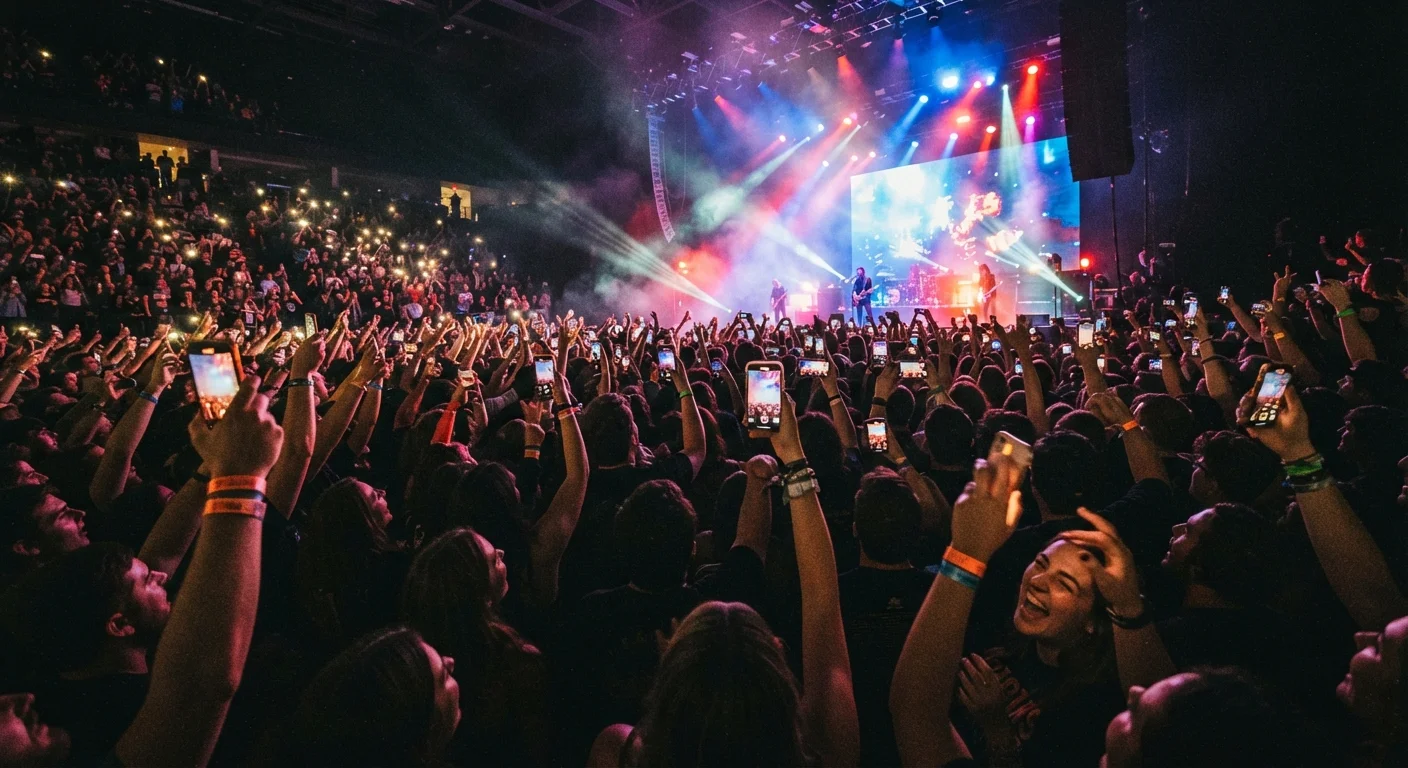
Photo: faqsvault.com editorial
Key Takeaways
- Fan communities thrive on passion, but certain behaviors can cross into harassment or obsession.
- Groupthink and mob mentality are common drivers of harmful fandom behavior.
- Parasocial relationships — one-sided emotional bonds with celebrities — can distort expectations.
- Setting personal boundaries and practicing critical community engagement helps keep fandom healthy.
- Artists and public figures deserve privacy and basic dignity, regardless of their fame.
The Fine Line Between Devotion and Harm
Fandom is one of the most electric forces in pop culture. The shared love of an artist, a band, or a musical movement can build genuine friendships, fuel extraordinary creativity, and even drive meaningful social change. But that same intensity — when it curdles — can produce coordinated harassment, invasions of privacy, and a culture where loyalty is weaponized.
Understanding where things go wrong isn't about shaming fans. It's about recognizing the patterns that turn passionate communities into harmful ones, so that everyone — artists included — can enjoy a healthier relationship with the culture they love. If you've ever wondered how a loving fanbase tips into toxicity, our deep dive into stan culture explores the psychological and social dynamics at play.
Treating criticism of a favorite artist as a personal attack that demands retaliation.
Doxxing or sharing private information about artists, their families, or critics of the fandom.
Conflating parasocial closeness with an actual relationship that entitles fans to access.
Using collective fandom identity to bully outsiders, critics, or even other fans perceived as insufficiently loyal.
Dismissing or minimizing concerns about a beloved artist's real-world conduct because of emotional investment in their work.
Why Fan Communities Drift Toward Toxicity
Most fan communities don't set out to be harmful. The drift happens gradually — an in-group identity strengthens, outside criticism starts to feel like an attack, and collective behavior escalates beyond what any individual fan would do alone. Researchers who study online behavior often describe this as a kind of moral disengagement, where the group's sense of righteous purpose overrides individual ethical judgment.
41%
Online harassment victims targeted by coordinated groups
According to the Pew Research Center, a substantial share of Americans who experience online harassment describe it as coming from multiple people acting in concert, a pattern common in fandom pile-ons.
64%
Adults who have witnessed online harassment
Pew Research Center data indicates that nearly two-thirds of U.S. adults report having seen someone else be harassed online, reflecting how widespread and visible these incidents have become.
Social media platforms amplify the problem by rewarding the most extreme reactions with visibility. Pile-ons generate engagement; nuanced conversation rarely trends. This structural incentive shapes how fans interact with both their idols and their critics. For a broader look at how these online dynamics compare to the more grounding experience of physical fan gatherings, this comparison of online and in-person communities offers useful perspective.
It's also worth noting that fandom toxicity doesn't exist in a vacuum — the same patterns that fracture fan communities also quietly erode other kinds of group bonds. Recognizing those patterns early is a practical first step toward healthier community participation.
Keeping Your Fandom Healthy — and Accountable
The antidote to harmful fan behavior isn't less enthusiasm — it's more self-awareness. Healthy fandom celebrates what you love without requiring the destruction of anything that challenges it. That means sitting with criticism of a favorite artist without treating it as an act of war, and recognizing that the person you admire is a human being with a private life that doesn't belong to you.
It also means being honest about the dynamics within your own community. Fan theories and collective storytelling can be genuinely creative — but as this look at fan theories notes, they can also project meanings and narratives onto real people in ways that misrepresent or even harm them. Checking that impulse is part of responsible engagement.
Fandom has proven it can be a force for genuine cultural and even political power. Organised stan communities have shaped elections and social movements — which makes the ethical stakes of toxic behavior even higher. That kind of collective energy deserves to be directed thoughtfully.
All published content on this website is for informational and educational purposes only and should not be taken as professional advice. We recommend that readers seek expert opinion before making any decisions. The website is not responsible for any actions taken based on the information provided on this website. We are not liable for any inaccuracies, modifications, or omissions in information. Moreover, external links or third-party content are provided for convenience; we are not liable for their correctness. Users are advised to verify every piece of information before they use it for any purpose.