
Meal Planning Principles That Support Consistent, Balanced Eating

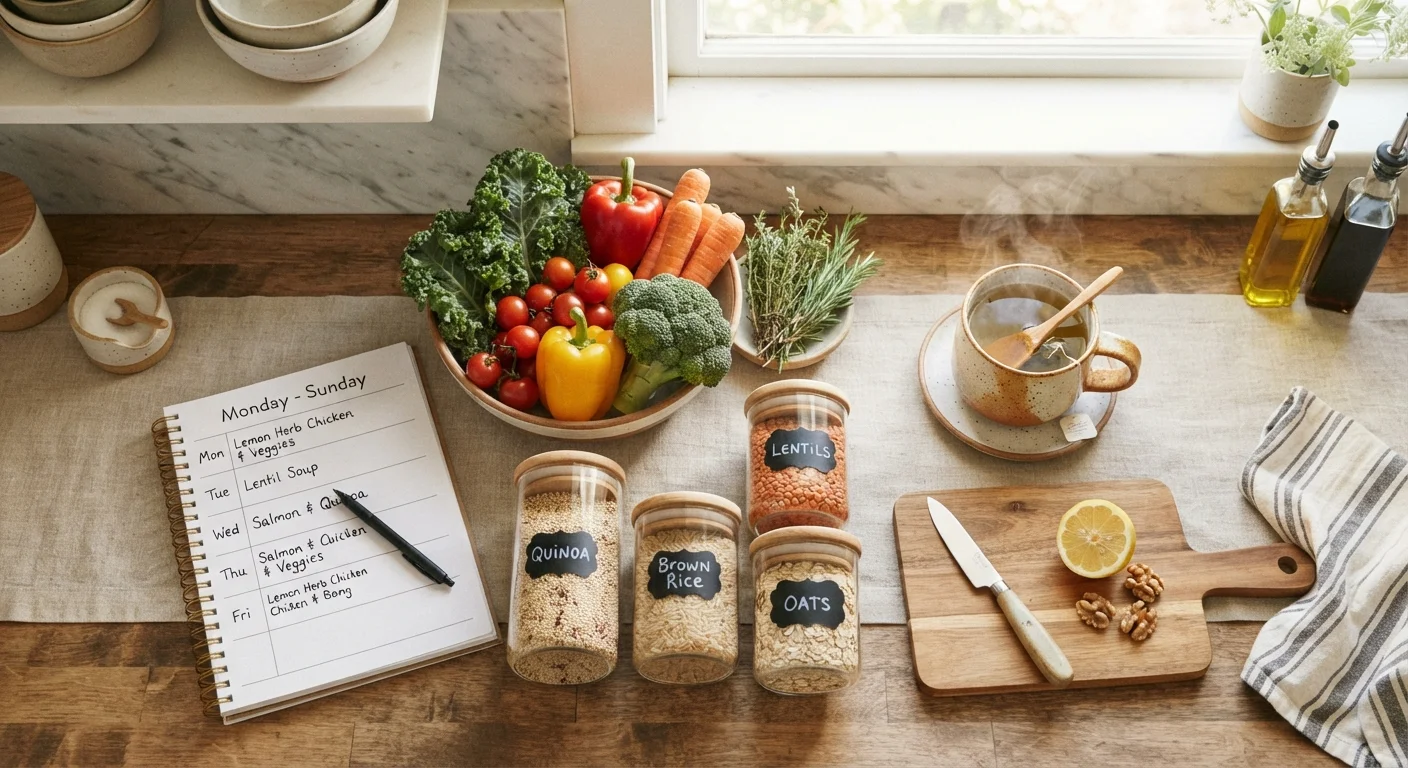
Photo: faqsvault.com editorial
Key Takeaways
- Consistent nutrition is built on repeatable structures, not perfect individual meals.
- Flexibility within a framework tends to be more sustainable than rigid dietary rules.
- Preparing key ingredients in advance reduces decision fatigue on busy days.
- Balancing food groups across the week matters more than at every single meal.
- Small, habitual adjustments often outlast dramatic short-term eating overhauls.
Why Structure Supports Better Eating — Without Feeling Restrictive
Most people don't eat poorly because they lack willpower or nutrition knowledge — they eat inconsistently because daily life creates friction. Decision fatigue, irregular schedules, and the sheer number of food choices we face each day can all chip away at good intentions. That's where a light planning structure earns its keep.
Meal planning, at its most useful, isn't a rigid script. It's a framework that reduces the number of decisions you need to make in the moment, making the nourishing choice the easier one. Research in behavioral nutrition consistently points to environmental design — shaping the conditions around eating — as a more powerful driver of food choices than motivation alone.
If you're curious about how broader eating patterns connect to long-term wellbeing, explore what research has observed about global food cultures for useful context on sustainable dietary habits.
Core Principles for Consistent, Balanced Meal Planning
These practices aren't prescriptions — they're evidence-informed starting points you can adapt to your own schedule, household, and food preferences.
Plan meals at the category level, not the recipe level
Think in weekly balance, not per-meal perfection
Batch-prepare versatile base ingredients, not complete meals
Keep a short, rotating list of reliable 'anchor' meals
Account for realistic disruption when planning the week
Use a consistent weekly planning rhythm rather than planning spontaneously
For a closer look at how to compose individual meals, our guide to building a balanced plate covers proportions and food groups in practical detail.
Quick Wins: Where to Start This Week
If a full planning overhaul feels overwhelming, start with just one or two of these actions. Small, consistent changes in how you set up your kitchen and routine often do more than dramatic resets.
Once your planning habits feel stable, stocking your kitchen with smart staples is the natural next step — it makes following through on your plan far easier.
This article is for general informational and educational purposes only and is not a substitute for personalized nutrition or medical advice. Please consult a qualified healthcare professional or registered dietitian for guidance specific to your health needs.
All published content on this website is for informational and educational purposes only and should not be taken as professional advice. We recommend that readers seek expert opinion before making any decisions. The website is not responsible for any actions taken based on the information provided on this website. We are not liable for any inaccuracies, modifications, or omissions in information. Moreover, external links or third-party content are provided for convenience; we are not liable for their correctness. Users are advised to verify every piece of information before they use it for any purpose.