
Keeping Wellness Habits Alive Through Disrupted Seasons

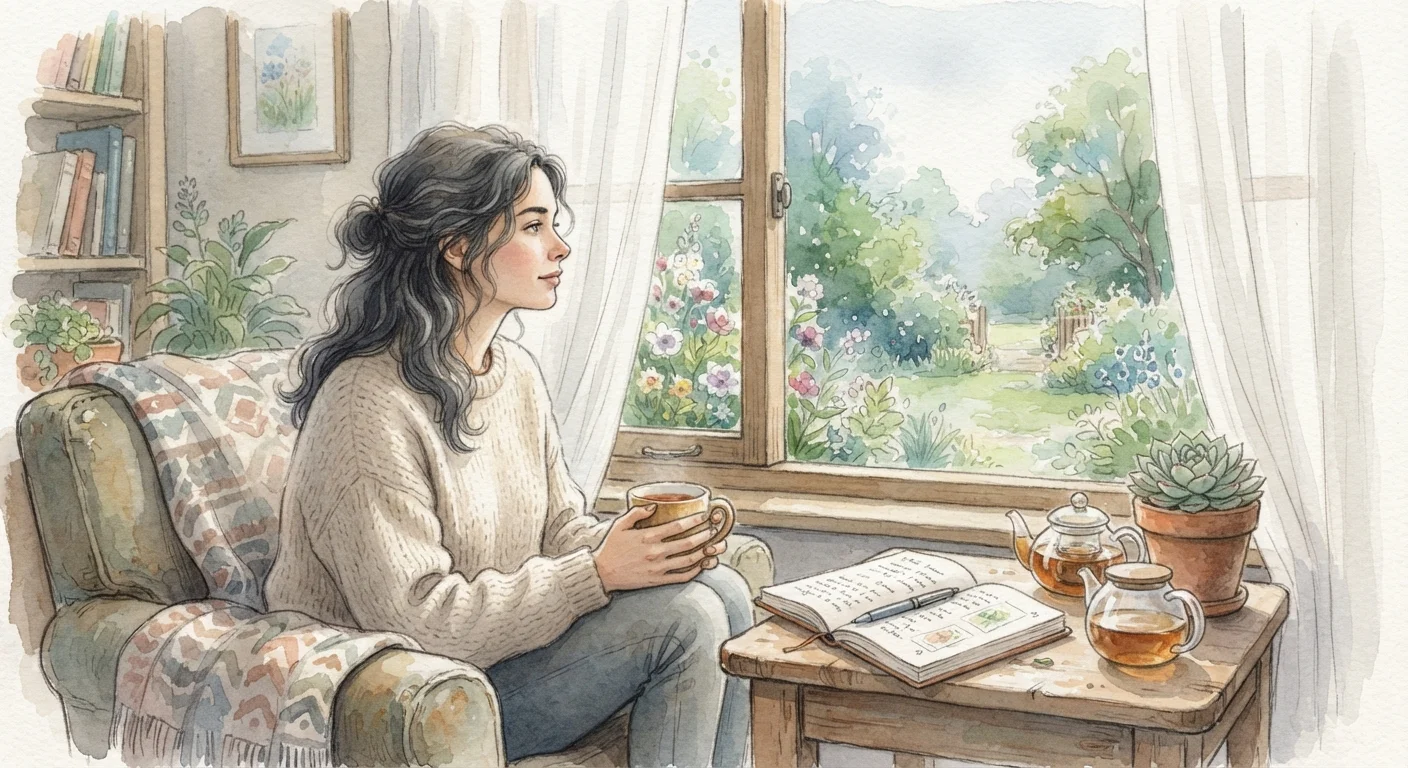
Photo: faqsvault.com editorial
Key Takeaways
- Disruptions to routine are inevitable — the goal is resilience, not perfection.
- Identifying your two or three non-negotiable habits helps protect what matters most during chaos.
- Shrinking habits to their smallest viable form preserves the behavior pattern even under pressure.
- Self-compassion after a missed day is more effective than guilt for long-term habit maintenance.
- Environmental cues and social support can sustain habits when internal motivation runs low.
- Recovery after disruption is faster when you plan for it in advance rather than improvising.
Why Routines Collapse Under Pressure
Travel, illness, grief, a new job, a home renovation — life has a way of dismantling even our most carefully built routines. What's worth understanding is that this isn't a personal failing. It's biology. When our environment changes, the contextual cues that trigger habitual behavior disappear, and the automatic pilot we rely on simply has nowhere to land.
Research in habit formation suggests that behavior is heavily tied to environmental context. The kitchen counter where you take your morning vitamins, the running shoes by the front door, the evening desk lamp that signals wind-down reading — remove those cues, and the habits they anchor often fade quietly with them. Recognizing this as a structural challenge, not a willpower problem, is the first step toward addressing it more effectively.
If you're navigating a season of upheaval — perhaps a home renovation or a health setback — the strategies below are designed to help you hold onto what supports you most, without the added burden of unrealistic expectations.
Best Practices for Protecting Your Habits
The following approaches are grounded in behavioral science and practical wellness research. They're not prescriptions — think of them as a toolkit to draw from based on what fits your life right now.
Identify your two or three non-negotiable anchor habits before disruption hits
Shrink habits to their smallest viable form during high-disruption periods
Rebuild environmental cues in new settings as quickly as possible
Plan your recovery strategy before disruption begins
Use social accountability to sustain habits when internal motivation is low
Practice self-compassion deliberately after a missed day
For a broader look at how to build habits that hold up over time, the complete daily habits guide covers the psychology of change from start to long-term maintenance.
Quick Wins to Start Today
You don't need a full plan to begin protecting your habits. A few small moves made right now can anchor you during turbulent periods. These are designed to be immediate and low-friction — because when life is already demanding, the last thing you need is a complicated system.
If you're short on time or energy, movement snacks are a research-supported way to stay physically active without needing a dedicated exercise window.
When Habits Break Down Anyway
Even with the best strategies in place, disruptions will sometimes win. An illness sidelines you for a week. Jet lag scrambles your sleep. A family crisis leaves no room for anything else. This is normal — and what happens next matters far more than the break itself.
Evidence from habit research consistently shows that missing a single day does not meaningfully damage long-term habit formation. What does derail people is the all-or-nothing thinking that turns one missed day into a week-long spiral. The recovery process after a broken streak is its own skill — and it's learnable.
When you're ready to rebuild, start with the smallest possible version of the habit rather than attempting to return at full intensity. One short walk. Five minutes of journaling. A single glass of water with breakfast. These micro-actions re-engage the behavior loop and restore the identity signal: I'm someone who does this.
This article is for general informational purposes only and does not constitute medical or mental health advice. If disruptions to your routine are connected to a health condition or significant mental health challenge, please consult a qualified healthcare professional.
All published content on this website is for informational and educational purposes only and should not be taken as professional advice. We recommend that readers seek expert opinion before making any decisions. The website is not responsible for any actions taken based on the information provided on this website. We are not liable for any inaccuracies, modifications, or omissions in information. Moreover, external links or third-party content are provided for convenience; we are not liable for their correctness. Users are advised to verify every piece of information before they use it for any purpose.