
Small Space, Big Character: Decorating Strategies for Compact Rooms

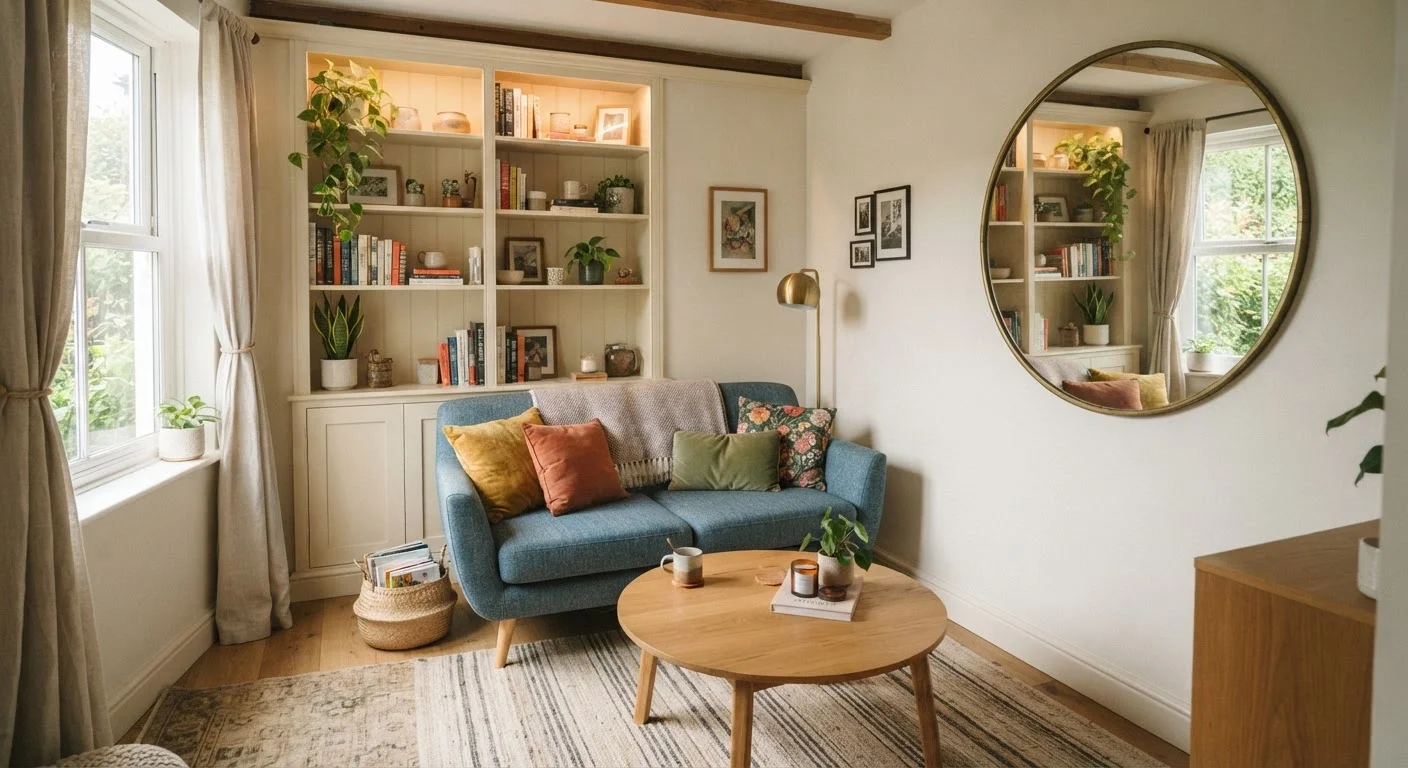
Photo: faqsvault.com editorial
Key Takeaways
- Light colors and strategic mirrors make small rooms feel significantly more open.
- Multi-functional furniture is the single most impactful investment in a compact space.
- Vertical wall space is often underused and can dramatically expand perceived room size.
- A cohesive color palette prevents visual clutter, which shrinks a room faster than furniture does.
- Personal touches — art, plants, textiles — are achievable even in the smallest footprint.
Why Small Rooms Deserve More Creative Attention, Not Less
There's a persistent assumption that decorating a small room means accepting compromise — less storage, less style, less comfort. In practice, the constraints of a compact space often push toward smarter, more intentional decisions than a larger room ever demands. When every square foot counts, you're forced to think carefully about what a room really needs to function and feel good.
The strategies in this guide apply whether you're working with a city studio, a guest bedroom that doubles as a home office, or a narrow living room in an older house. None of them require significant financial outlay — for a deeper look at where decorating budgets have the most impact, see our guide to interior decorating on a tight budget.
What you will need
What You'll Need
Decorating a compact room effectively is more about preparation and decision-making than tools or materials. That said, a few basics make the process considerably smoother.
Tape measure
Record accurate room, doorway, and window dimensions before planning furniture placement.
Graph paper or free floor-plan app
Sketch furniture arrangements to scale before moving anything physically.
Large mirror
Reflects natural light and creates the illusion of greater depth in a compact room.
Command strips or removable adhesive hooks
Mount lightweight art and décor on walls without permanent damage — essential for renters.
Step-by-Step: Decorating Your Compact Room
Work through these steps in order — each one builds on the last. Skipping the planning stages is the most common reason small-room makeovers stall or produce disappointing results.
Start with a planning checklist before committing to any direction
Before buying a single item or painting a wall, spend time evaluating how the room is currently working — and failing. Note where natural light enters, which walls feel oppressive, and how traffic flows through the space. Our room planning checklist walks through every consideration worth capturing at this stage. This upfront investment of time prevents costly mistakes later.
Choose a cohesive, light-leaning color palette
Color is the most powerful and affordable tool in a small room. Light, warm neutrals — soft whites, warm greiges, pale sage — reflect more light and push walls visually outward. Limit your palette to two or three colors: one for walls, one for larger furniture pieces, and one accent woven through textiles and accessories. Avoid introducing too many competing tones, which creates visual noise that makes a room feel busier and smaller than it is.
Painting the ceiling a shade lighter than the walls draws the eye upward and adds perceived height. If you rent and can't paint, rental-friendly decorating strategies like removable wallpaper on a single accent wall can achieve a similar focal-point effect without touching the original surfaces.
Select furniture that earns its footprint
Every piece of furniture in a small room should justify the space it occupies — ideally by serving more than one purpose. A storage ottoman replaces both a coffee table and a blanket chest. A daybed with drawers underneath eliminates the need for a separate dresser in a studio. A drop-leaf dining table can seat two for daily use and expand for guests.
Scale matters as much as function. Furniture that is too small for a room actually makes it feel more cluttered, not less — a common pitfall explored in our guide to decorating decisions that backfire. Aim for one anchor piece — a sofa or bed — that is appropriately sized for the room, then select everything else to complement it.
Use vertical space deliberately
Most people decorate only to eye level and leave the top third of a room completely unused. In a compact space, vertical real estate is valuable. Floor-to-ceiling shelving draws the eye upward and provides substantial storage without consuming floor space. Hang curtains close to the ceiling — not at the window frame — to make windows appear taller and rooms feel airier. Wall-mounted lighting eliminates the need for floor or table lamps that eat into usable surface area.
A gallery wall arranged vertically on a narrow section of wall adds personality and height without requiring any additional furniture at all.
Maximize light — natural and artificial
Light is the single most effective tool for opening up a small room. Keep window treatments minimal or sheer to let daylight reach as far into the room as possible. Position a large mirror on the wall opposite or adjacent to the main window — it will bounce natural light deeper into the space and create a convincing sense of depth. Layered artificial lighting (a ceiling source, a reading lamp, and a low accent light) prevents the flat, dim look that makes small rooms feel like caves at night.
Add personality through textiles, art, and plants
Character doesn't require square footage. A few well-chosen textiles — a patterned rug that anchors the seating area, a throw in your accent color, quality cushion covers — transform the room's mood without adding bulk. Choose one bold piece of art rather than many small ones scattered across walls, which reads as clutter in a compact space.
Plants are surprisingly effective in small rooms, adding life and softness without taking up much visual weight. A single tall plant in a corner draws the eye upward; a trailing plant on a shelf adds dimension. For practical guidance on which plants suit different light conditions and realistic care expectations, see our article on decorating with plants in real homes.
Measure Before You Buy Anything
Embrace Negative Space
Common Mistakes That Work Against You
Even with good intentions, certain decorating choices reliably make small rooms feel worse. Oversized rugs that extend under furniture on all sides, dark accent walls on the wrong wall, and cluttered gallery arrangements at mid-height are among the most frequent culprits. If your room still feels off after following the steps above, it's worth reviewing the common decorating pitfalls that disrupt a room's balance.
One principle worth repeating: restraint is a design choice, not a failure of imagination. A small room with five carefully selected elements will almost always feel better than the same space crammed with fifteen things you're equally attached to. Edit ruthlessly, and the room will reward you for it.
All published content on this website is for informational and educational purposes only and should not be taken as professional advice. We recommend that readers seek expert opinion before making any decisions. The website is not responsible for any actions taken based on the information provided on this website. We are not liable for any inaccuracies, modifications, or omissions in information. Moreover, external links or third-party content are provided for convenience; we are not liable for their correctness. Users are advised to verify every piece of information before they use it for any purpose.