
What Building Permits Actually Cover — and When You Need One

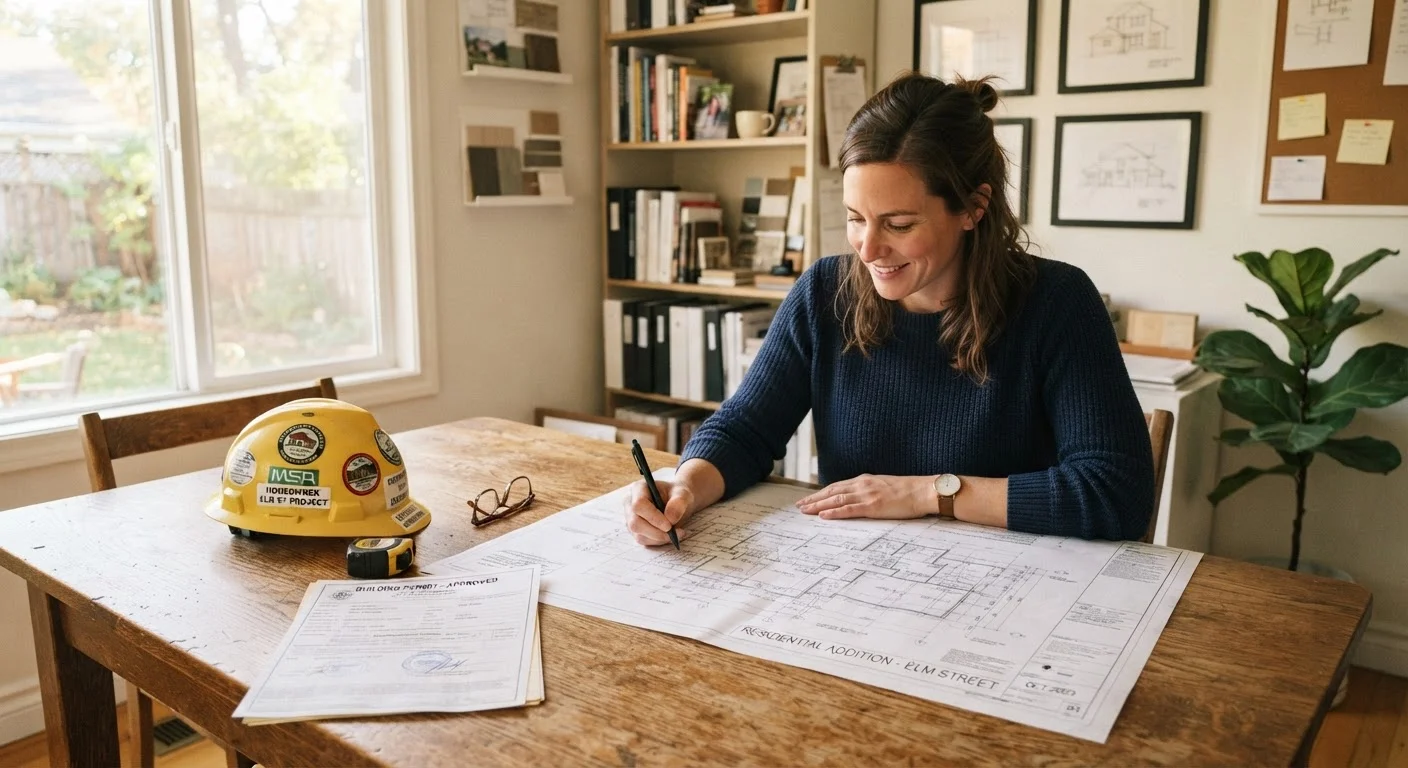
Photo: faqsvault.com editorial
Key Takeaways
- Permits protect homeowners by ensuring work meets minimum safety and structural standards.
- Unpermitted work can complicate home sales, void insurance claims, and require costly tear-downs.
- Most structural, electrical, plumbing, and HVAC work requires a permit — cosmetic changes usually do not.
- Requirements vary by municipality, so always verify with your local building department before starting.
- Licensed contractors are generally familiar with permit requirements, but the permit obligation ultimately falls on the property owner.
Why Permits Exist — and Why They Matter to You
Building permits exist primarily to protect people — not to create bureaucratic hurdles. When a licensed inspector reviews permitted work, they're verifying that your electrical wiring won't spark a fire, that your new load-bearing wall won't compromise structural integrity, and that your plumbing meets hygiene and pressure standards. These are not abstract concerns; they directly affect the safety of everyone who lives in or visits your home.
From a financial standpoint, permits matter just as much. Unpermitted work is one of the most common surprises uncovered during a home sale. If a buyer's inspector or appraiser flags it, you may be asked to legalize the work, reduce your asking price, or remove it entirely — all at your expense. If you're buying a home, our pre-purchase checklist can help you spot existing permit issues before you commit.
Permits also matter for insurance. If a fire or structural failure is traced to unpermitted work, your homeowner's insurance provider may deny the claim on the grounds that the work wasn't legally approved. That's a costly lesson to learn after the fact.
Projects That Typically Require a Permit
While exact rules vary by location, the following categories of work almost always require a permit in U.S. jurisdictions:
- Structural work: Adding or removing walls (especially load-bearing ones), room additions, garage conversions, or changes to the roofline.
- Electrical work: Panel upgrades, new circuits, rewiring, or installing new outlets in unfinished spaces.
- Plumbing: Relocating pipes, adding new fixtures, installing water heaters, or connecting to main lines.
- HVAC systems: Installing or replacing heating and cooling equipment, adding ductwork, or installing gas lines.
- Decks and outdoor structures: Freestanding decks above a certain height or area, pergolas attached to the home, and some sheds.
- Fences: Many municipalities regulate fence height and placement near property lines.
- Windows and doors: Enlarging or creating new openings in exterior walls often requires a permit, even if you're replacing an existing window.
Requirements Vary Significantly by Location
Always verify requirements with your local building department before starting any significant project. Two neighboring counties can have meaningfully different thresholds for what triggers a permit requirement.
What Usually Doesn't Require a Permit
Not every home improvement project requires official approval. Cosmetic and minor maintenance work is generally exempt in most jurisdictions. Common examples include:
- Painting interior or exterior surfaces
- Installing or replacing flooring (carpet, hardwood, tile) without structural changes
- Replacing cabinets or countertops in kind
- Swapping out like-for-like plumbing fixtures (same location, same type)
- Replacing light fixtures without changing wiring
- Minor landscaping and garden work
The key distinction is typically whether the project affects a home's structure, safety systems, or site coverage. If you're unsure, a quick call to your local building or planning department is the most reliable way to confirm — and it's free. You can also factor permit requirements into a broader project plan using our room-by-room renovation checklist.
The Permit Process: What to Expect
The general permit process follows a predictable pattern, even if timelines and fees differ locally:
- Application: You (or your contractor) submit plans, drawings, or specifications to the local building department. Online submission is increasingly common.
- Plan review: A plan reviewer checks that the proposed work complies with applicable codes. Simple projects may be approved over the counter; complex ones can take weeks.
- Permit issuance: Once approved, you receive a permit that must be posted visibly at the job site.
- Inspections: At key milestones — often before walls are closed in — an inspector visits the site to verify the work. Some projects require multiple inspections.
- Final approval: After passing all required inspections, the permit is closed and the work is officially on record.
Permit fees are typically calculated based on the estimated value of the project, though flat fees apply in some jurisdictions. Budget for this cost early — it's a legitimate part of your project expenses. Our guide to reading a builder's quote explains how permits and inspection costs may (or may not) appear in contractor pricing.
Working With Contractors and Permits
When hiring a professional for permitted work, the contractor typically handles the permit application as part of their service. However, the permit is tied to the property — meaning you, as the owner, bear responsibility if the work isn't properly permitted or inspected.
Before signing a contract, confirm in writing who is responsible for obtaining the permit, who will be present for inspections, and what happens if work fails an inspection. These aren't aggressive questions — they're standard professional expectations. Our article on what to ask before any contractor starts work covers this and other key topics to address upfront.
Be cautious if a contractor suggests skipping the permit to save time or money. This can expose you to significant liability and future costs that far outweigh the permit fee. A reputable professional will have no issue working through the standard permitting process.
For larger projects involving multiple trades and extended timelines, managing the renovation process — including scheduling inspections at the right stages — is a skill worth developing early.
This article provides general educational information about building permits in the United States. Requirements vary by jurisdiction. Always verify current rules with your local building department or a licensed professional before beginning any home improvement project.
Frequently Asked Questions
All published content on this website is for informational and educational purposes only and should not be taken as professional advice. We recommend that readers seek expert opinion before making any decisions. The website is not responsible for any actions taken based on the information provided on this website. We are not liable for any inaccuracies, modifications, or omissions in information. Moreover, external links or third-party content are provided for convenience; we are not liable for their correctness. Users are advised to verify every piece of information before they use it for any purpose.