
The Complete Guide to Damp in the Home

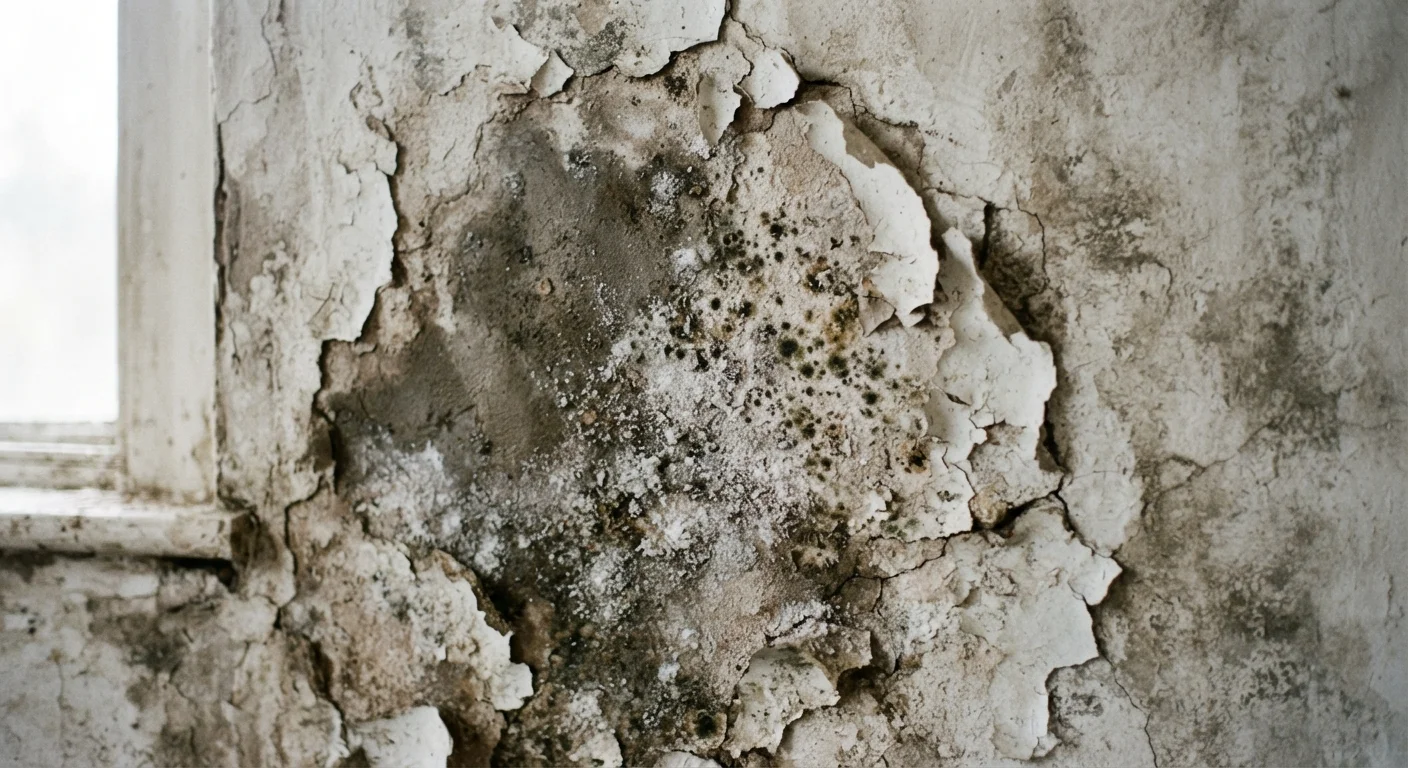
Photo: faqsvault.com editorial
Key Takeaways
- Damp falls into three distinct categories — rising damp, penetrating damp, and condensation — each with different causes and fixes.
- Accurate diagnosis before treatment prevents wasted money and recurring problems.
- Most condensation issues can be managed with improved ventilation and heating habits.
- Rising damp and penetrating damp generally require a licensed professional for lasting repair.
- Ignoring damp can lead to structural damage, mold growth, and health concerns over time.
- Permits or professional assessments may be required for certain damp-proofing remediation work.
Understanding the Three Types of Damp
Damp is one of the most common problems homeowners face, yet it is also one of the most misunderstood. Treating the wrong type with the wrong remedy can make the situation worse and cost significantly more in the long run. Before picking up a brush or calling a contractor, it helps to understand exactly what you are dealing with.
There are three primary categories of damp in residential buildings:
- Rising damp — moisture drawn upward through walls and floors from the ground below, typically caused by a failed or absent damp-proof course (DPC).
- Penetrating damp — water entering horizontally through the building fabric, often via defective roofing, walls, windows, or guttering.
- Condensation — moisture formed when warm, humid indoor air contacts cold surfaces such as windows and exterior walls.
Each type has a distinct pattern of damage, a distinct location in the home, and a distinct set of remedies. Identifying which type — or combination — is affecting your property is the essential first step.
1 in 5
UK homes affected by damp or mold
English Housing Survey data has consistently indicated that a significant share of dwellings show evidence of damp, underlining how widespread the issue is.
~60–70%
Of damp cases attributable to condensation
Industry estimates from building surveyors suggest the majority of damp complaints in modern homes stem from condensation rather than rising or penetrating damp.
1 meter
Maximum typical height of rising damp
Capillary action in masonry has physical limits; rising damp rarely travels above one meter from floor level, which is a key diagnostic clue.
How to Diagnose Damp in Your Home
A careful visual inspection is often enough to point you toward the likely culprit. Work through these indicators systematically before drawing conclusions.
Look at the Location
Rising damp almost always appears in the lower sections of walls — rarely above one meter from floor level. Penetrating damp can appear anywhere water is entering, including upper walls, ceilings, and areas around windows and doors. Condensation most commonly shows up on cold surfaces: single-glazed windows, north-facing exterior walls, and poorly ventilated rooms like bathrooms and kitchens.
Check the Pattern and Texture
Rising damp typically leaves a distinctive tide mark — a horizontal stain across the lower wall — and may produce white powdery deposits called efflorescence (salts drawn out of the masonry). Penetrating damp often creates irregular wet patches that correspond with rain events or nearby plumbing. Condensation produces black mold growth on surface areas, particularly in corners, and tends to improve in warm, well-ventilated conditions.
Use a Damp Meter
A basic electronic damp meter — available at most hardware stores — can measure moisture levels in walls and floors. While not a substitute for professional assessment, it helps confirm whether a stain is truly damp or just historical discoloration. Always take multiple readings across the affected area and at unaffected areas for comparison.
If you are unsure, a chartered surveyor specializing in damp can provide a detailed report. This is especially advisable before purchasing an older property.
Rising Damp: Causes and Remedies
Rising damp occurs when groundwater travels upward through the capillary network of masonry — bricks, mortar, and stone. In a properly constructed building, a damp-proof course (DPC) — a horizontal barrier installed low in the wall — prevents this movement. When the DPC fails, is missing (common in older homes), or is bridged by external ground levels raised above it, moisture can climb freely.
Signs You May Have Rising Damp
- Damp patches consistently confined to the bottom 1 meter of walls
- Tide marks or horizontal staining
- Peeling wallpaper or paint near the skirting board
- Efflorescence (white salt deposits) on masonry
- Rotting skirting boards or floor joists
Remediation Options
The most common professional fix is the injection of a silicone-based chemical damp-proof course into drilled holes along the mortar course. This creates a new moisture barrier within the wall. Where ground levels outside are too high — bridging the existing DPC — excavating and improving drainage around the foundation perimeter can relieve pressure. Replastering with a sand-and-cement render that contains a waterproofing additive is typically needed afterward, as existing plaster will be salt-contaminated.
This is not a safe DIY undertaking. Rising damp remediation involves assessing structural elements, and improper treatment may void future surveyor reports or mortgage valuations. Always engage a qualified damp-proofing specialist and, where required, verify whether local building codes require permits or inspections for this type of work.
Penetrating Damp: Finding and Fixing the Source
Penetrating damp is caused by water entering the building envelope from outside. Unlike rising damp, it is directly linked to a specific physical defect — and fixing that defect stops the damp. The challenge lies in tracing the source accurately, since water can travel some distance from the entry point before appearing as a stain.
Common Entry Points
- Cracked or missing roof tiles and damaged flashing
- Blocked or leaking gutters and downpipes directing water against the wall
- Failed window or door seals and cracked caulking
- Spalled (crumbling) brickwork or eroded mortar joints
- Cracked render on external walls
Addressing the Problem
Start at the top of the building and work down. Inspect guttering after heavy rainfall to check for overflow. Have the roof checked by a roofing contractor if ceiling damp appears after rain. Repointing — replacing deteriorated mortar in brickwork — is an effective and often straightforward repair for wall penetration, though working at height always carries risk.
For comprehensive wall repairs, see our guide on wall finish options including render and drylining, which covers how different surface treatments perform in damp-prone conditions.
When tracing penetrating damp, run a garden hose over suspected external areas section by section while someone watches inside — this isolates the entry point far faster than waiting for the next rainstorm.
Before replastering any damp-affected wall, allow the masonry to dry fully — often several weeks — or new plaster will crack and fail as residual moisture evaporates.
Condensation: Managing Moisture in the Air
Condensation is by far the most widespread form of damp in modern homes and, in many cases, the most manageable without professional help. It occurs when warm, moisture-laden air meets a cold surface and the water vapor condenses into liquid droplets. Daily activities — cooking, bathing, drying laundry indoors, even breathing — generate substantial moisture.
Practical Ventilation Strategies
- Use extractor fans in kitchens and bathrooms during and after cooking or bathing, and leave them running for at least 15 minutes afterward.
- Open windows briefly to flush humid air, particularly in the morning.
- Avoid drying laundry on radiators; use a vented tumble dryer or dry outdoors when possible.
- Keep a small gap between furniture and exterior walls to allow air to circulate.
Heating and Insulation
Cold surfaces are the trigger — warming the home more consistently (rather than sharp heating spikes) reduces condensation significantly. Improving wall insulation raises the internal surface temperature. Secondary or double glazing on windows eliminates the cold glass surfaces where condensation most visibly forms.
Dealing with Mold
Surface mold caused by condensation can often be cleaned using a diluted fungicidal solution — follow product instructions carefully and use gloves and a mask. However, persistent or extensive mold growth that returns quickly despite cleaning and ventilation improvements may indicate a deeper moisture issue or require professional remediation. Do not use bleach on porous surfaces, as it treats the color but not the underlying fungal structure.
If you are working through multiple rooms in the home, our room-by-room home renovation checklist can help you track ventilation and damp-related improvements systematically.
When to Call a Professional
Some damp issues are genuinely manageable with careful DIY effort — improving ventilation, sealing minor gaps around windows, clearing gutters. But several situations call for professional expertise, and acting without it can result in inadequate fixes, structural damage, or safety hazards.
Engage a qualified damp surveyor or specialist contractor if:
- You suspect rising damp — chemical DPC installation and structural assessment should not be improvised.
- Penetrating damp is linked to roof defects, chimney stacks, or anything requiring working at height.
- Mold growth is extensive, recurring despite your efforts, or accompanied by musty smells throughout the property.
- You are buying or selling the property and need a formal damp report for mortgage or conveyancing purposes.
- Floor joists, structural timbers, or masonry appear compromised.
When getting quotes, ask contractors to explain exactly what type of damp they are treating and why, what the remedy involves, and what guarantee they provide. Reputable companies will conduct a thorough inspection before proposing a solution, rather than recommending expensive treatments based on a brief look.
If this is your first time tackling home improvement decisions at this scale, our guide for first-time home improvers covers how to evaluate contractors, understand quotes, and decide what to DIY versus hire out.
This article is for general informational purposes only. Building regulations, permit requirements, and appropriate remediation methods vary by location. Always verify local codes and consult licensed professionals before undertaking structural or damp-proofing work.
All published content on this website is for informational and educational purposes only and should not be taken as professional advice. We recommend that readers seek expert opinion before making any decisions. The website is not responsible for any actions taken based on the information provided on this website. We are not liable for any inaccuracies, modifications, or omissions in information. Moreover, external links or third-party content are provided for convenience; we are not liable for their correctness. Users are advised to verify every piece of information before they use it for any purpose.