
The Complete Picture of Modern Music Distribution

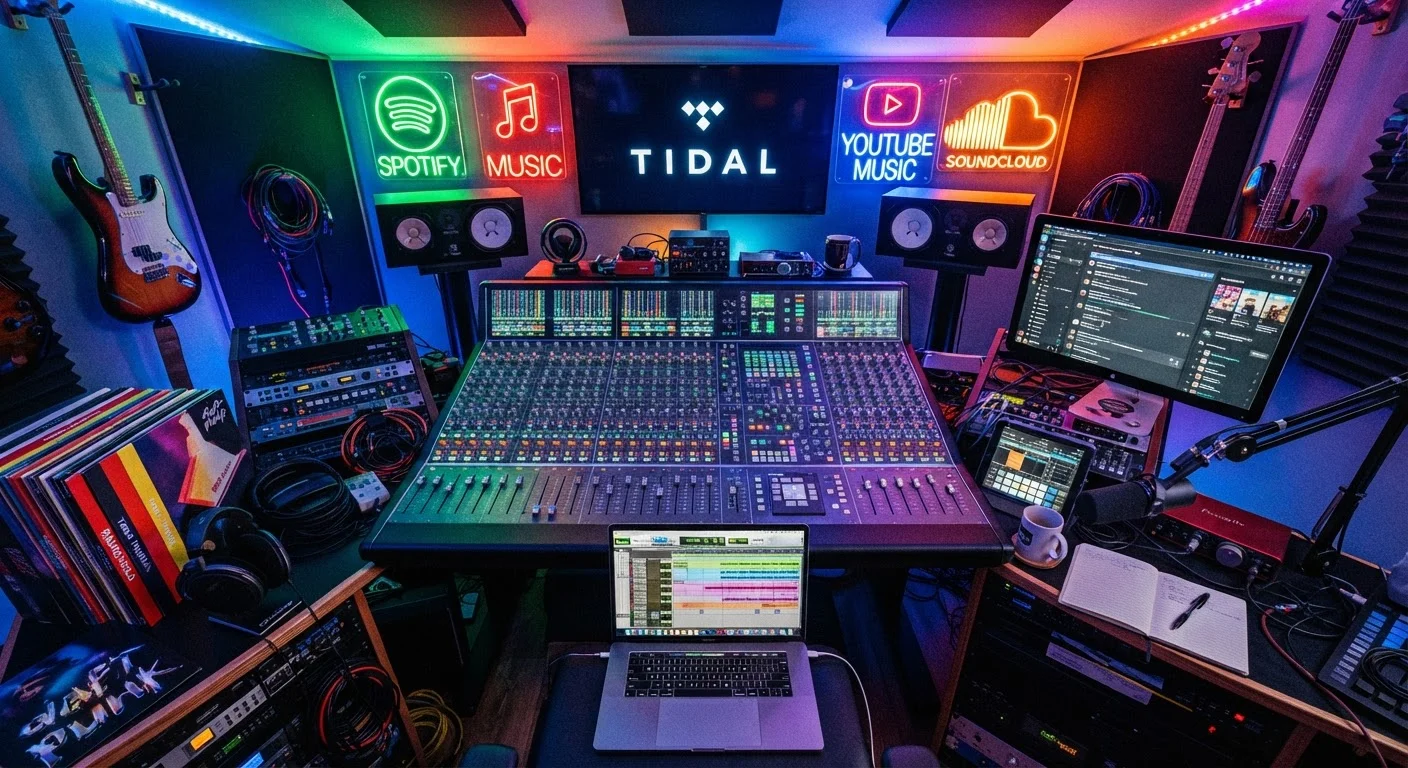
Photo: faqsvault.com editorial
Key Takeaways
- Digital aggregators are the primary gatekeepers connecting independent artists to major streaming platforms.
- Streaming royalties split between master rights holders and songwriters through separate royalty streams.
- Physical formats like vinyl remain commercially significant and serve distinct promotional purposes.
- Sync licensing can generate substantial one-time fees and dramatically expand an artist's audience.
- Direct-to-fan platforms let artists earn higher per-sale revenue while building closer community bonds.
- Most successful artists use multiple distribution channels simultaneously rather than relying on one.
What Music Distribution Actually Means Today
Music distribution is the infrastructure that moves a finished recording from an artist's hands to listeners' ears — and wallets. For most of recorded music's history, distribution meant physical logistics: pressing vinyl or CDs, trucking them to retailers, and hoping radio play followed. Today the concept has fractured into at least half a dozen distinct channels, each with its own economics, gatekeepers, and cultural role.
Understanding how distribution works matters beyond the business side. For listeners, it explains why some artists are everywhere while others seem invisible, and why the same song can feel ubiquitous on one platform and absent from another. For curious fans curious about the artists they love, distribution is the connective tissue between creative output and cultural reach. As you explore how an artist's work reaches you, it's also worth understanding how label deals shape the options available at the start of this chain.
Digital Aggregators: The Gateway to Streaming
An aggregator is a company that acts as a middleman between independent artists and streaming platforms. Because services like Spotify, Apple Music, and Amazon Music don't accept direct uploads from individual artists (with a few limited exceptions), aggregators batch-deliver music, collect royalties on behalf of rights holders, and handle the technical metadata — ISRC codes, UPC barcodes, release dates — that keep the global music catalog organized.
Aggregators typically charge either a flat annual fee per release or take a percentage of royalties earned. The choice between models affects long-term income significantly: flat-fee models favor artists with consistent streaming numbers, while percentage-based models can work for newer artists still building an audience.
When uploading through an aggregator, treat your metadata like a first impression — verify every credit, spelling, and genre tag before submitting, because corrections after release can take weeks and affect your search visibility in the meantime.
If you're pitching for sync placements, lead with instrumentals and stems alongside the full mix — music supervisors frequently need flexibility to adjust or remove vocals to fit a scene.
Metadata entered through an aggregator — song title spelling, featured artist credits, genre tags — directly affects algorithmic recommendations and search results. Errors made at upload can persist for years and suppress discovery.
Streaming Platforms and How They Work
When a song streams, it triggers two separate royalty flows that many listeners don't realize exist. The master recording royalty goes to whoever owns the recording itself — typically the label or the artist if they're independent. The mechanical and performance royalty goes to the songwriters and publishers via collection societies like ASCAP, BMI, or SESAC in the US.
Streaming payout rates are often debated. Rather than a fixed per-stream rate, most platforms calculate payments using a proportional model: each platform pools all subscription and ad revenue, then distributes shares based on what percentage of total streams a given track represents in a given period. This means a song's payout fluctuates based on overall platform growth and listener behavior, not just its own play count.
For a deeper look at how streaming compares economically to physical formats, this breakdown of streams versus physical sales covers the contrasts in useful detail.
66%+
Share of recorded music revenue from streaming
According to IFPI's Global Music Report, streaming accounted for the majority of recorded music industry revenue globally.
Top 1%
Artists earning most streaming royalties
Research consistently shows that a small fraction of artists capture the vast majority of streaming payouts, reflecting platform concentration.
43M+
Tracks on major streaming catalogs
Major platforms report catalogs in the tens of millions, making algorithmic and editorial discovery the primary way most songs are found.
Physical Formats: Still Part of the Picture
Vinyl's commercial resurgence is well-documented. In the US, vinyl album sales have outpaced CD sales in recent years — a reversal few predicted a decade ago. But physical distribution isn't just nostalgia. For many artists, a vinyl or CD release signals artistic seriousness, creates a collectible artifact, and generates a meaningful share of direct revenue at shows and through independent retailers.
Physical distribution operates through pressing plants, distributors who supply brick-and-mortar stores, and direct-to-consumer shipping. The supply chain is longer and more capital-intensive than digital, but the margins per unit can be considerably higher. An artist selling vinyl directly at a show keeps far more of each sale than they would from thousands of streams of the same music.
Sync Licensing: Music in Film, TV, and Advertising
Sync licensing (short for synchronization licensing) is the process of legally pairing a piece of recorded music with moving images — a TV show, film, advertisement, video game, or online video. It requires two separate licenses: one for the master recording and one for the underlying composition. Both rights holders must agree, which is why complicated ownership structures can block deals.
Sync fees vary enormously based on the prominence of the placement, the size of the production, and the profile of the artist. A national TV advertisement can generate fees ranging from thousands to hundreds of thousands of dollars for a single placement. Beyond the fee, sync placements routinely introduce artists to massive new audiences — songs featured in a popular series frequently see streaming numbers spike dramatically in the days following broadcast.
For artists and their teams, sync is often treated as a separate distribution strategy requiring active pitching to music supervisors rather than waiting for inbound interest.
Direct-to-Fan Channels
Platforms that let artists sell directly to listeners — whether downloads, exclusive recordings, merchandise bundles, or subscription memberships — represent one of the most significant shifts in music economics over the past decade. The core appeal is simple: by removing intermediaries, artists capture a larger share of each transaction while building a more direct relationship with the audience most invested in their work.
Fan subscription models, where listeners pay a monthly fee for exclusive content, demos, or early access, have grown in popularity alongside the broader creator economy. These channels also give artists valuable data about their most engaged listeners, which informs tour routing, merchandise decisions, and release timing.
Understanding what listeners want from these deeper relationships sometimes starts with understanding the music itself more fluently. A grounding in music terminology can enrich how fans engage with an artist's explanations of their craft in these direct-channel spaces.
How It All Fits Together
No single distribution channel tells the whole story of how music reaches people in 2024. A working artist might release through a digital aggregator (covering streaming globally), press a limited vinyl run (sold at shows and through independent stores), pitch to music supervisors for sync opportunities, and run a fan subscription for their closest supporters — all simultaneously.
The label an artist signs with, or the decision to remain independent, shapes which of these channels are available and on what terms. The trade-offs between indie and major label paths ripple through every distribution decision that follows.
For listeners, tracing how a favorite song reached your ears is a genuinely fascinating exercise. It crosses technology, contract law, creative strategy, and culture — and understanding it gives you a richer appreciation for the work that exists on the other side of a single tap or spin. Curious where to go deeper? Following an artist's catalogue chronologically is one of the most rewarding ways to understand how their relationship with these systems has evolved across a career.
All published content on this website is for informational and educational purposes only and should not be taken as professional advice. We recommend that readers seek expert opinion before making any decisions. The website is not responsible for any actions taken based on the information provided on this website. We are not liable for any inaccuracies, modifications, or omissions in information. Moreover, external links or third-party content are provided for convenience; we are not liable for their correctness. Users are advised to verify every piece of information before they use it for any purpose.