
Streaming vs. Physical: What Each Format Actually Does for an Artist

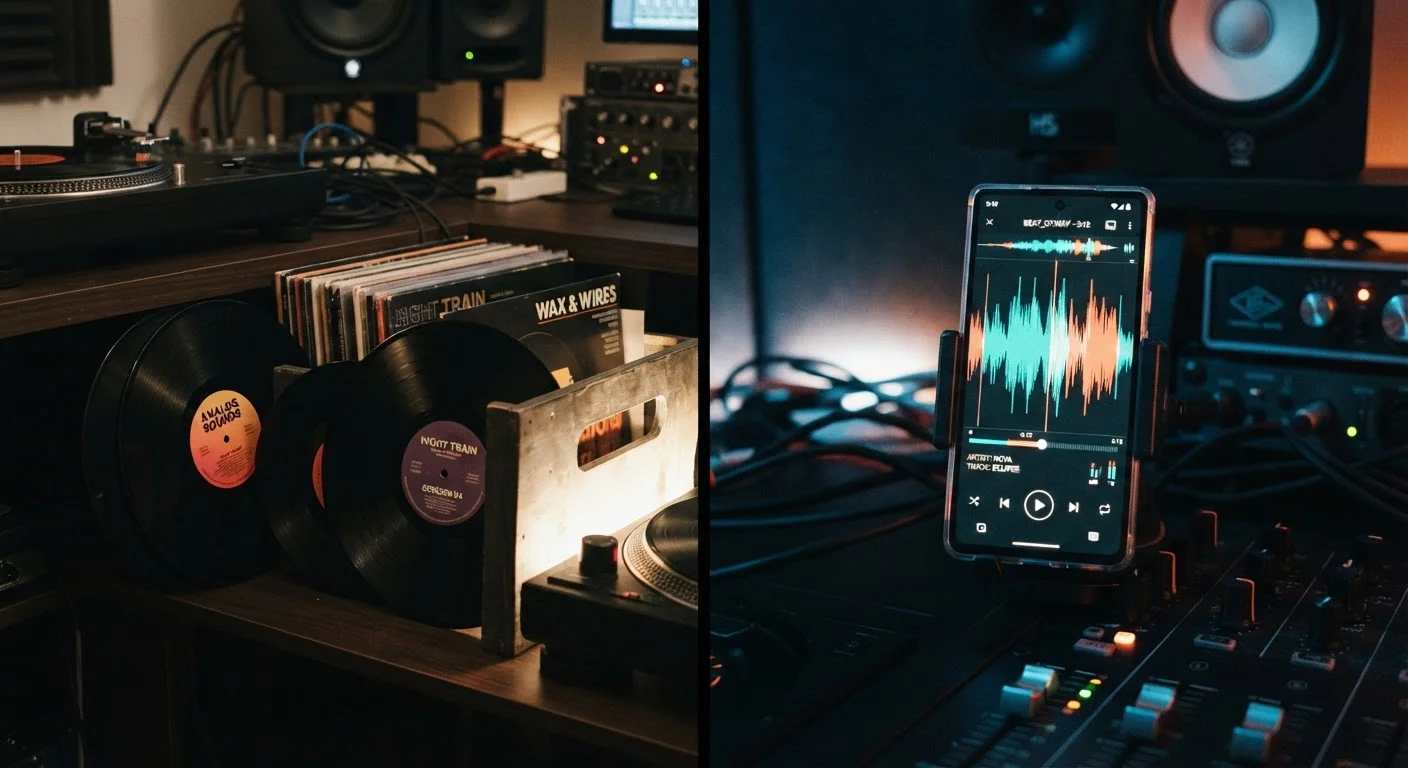
Photo: faqsvault.com editorial
Key Takeaways
- Streaming pays per stream at fractions of a cent, making volume the primary driver of meaningful income.
- Physical sales generate significantly higher per-unit revenue, particularly vinyl, which has seen consistent commercial resurgence.
- Streaming algorithms can expose an artist to millions of potential new listeners organically.
- Physical formats build fan loyalty and serve as merchandise, creating emotional and financial value beyond audio.
- Most working artists today rely on a combination of both formats rather than choosing one exclusively.
- Label deals and distribution arrangements heavily influence how much of each revenue stream actually reaches the artist.
How Each Format Pays an Artist
The economics of music revenue look almost nothing alike across these two formats, and understanding the gap is essential for any fan trying to genuinely support the artists they love.
Streaming platforms operate on a pro-rata royalty model: a platform pools all subscription and advertising revenue, then distributes a share proportional to each track's stream count relative to total platform streams. Industry estimates — including data published by the Trichordist and Spotify's own transparency reports — suggest the average per-stream rate across major platforms typically falls somewhere between $0.003 and $0.005 per stream. That means an artist needs hundreds of thousands of streams just to see the equivalent of a modest paycheck, before label and distributor cuts are factored in.
Physical sales operate very differently. A vinyl record retailing for $30 might yield the artist anywhere from a few dollars (through a label deal) to $10 or more (through direct-to-fan sales). CDs carry lower retail prices but still generate more revenue per unit than thousands of individual streams. For a fuller picture of how money moves across every distribution channel, the Complete Picture of Modern Music Distribution lays out the entire system clearly.
| Criterion | Streaming | Physical Media |
|---|---|---|
| Revenue per unit | $0.003–$0.005 per stream | $3–$15+ per unit sold |
| Discovery potential | Very high via algorithms | Low — requires active purchase intent |
| Fan engagement depth | Passive and frictionless | Active, tactile, and committed |
| Production cost to artist | Minimal (aggregator fees) | Significant (pressing, packaging) |
| Cultural longevity | Ephemeral, playlist-dependent | Durable, collectible artifact |
| Geographic reach | Global, instant | Limited by shipping and retail |
| Artist control (indie) | Moderate — platform rules apply | High — direct-to-fan possible |
Exposure and Discovery: Where Streaming Dominates
No physical format can compete with streaming when it comes to passive discovery — the phenomenon where a listener encounters an artist for the first time without actively seeking them out. Algorithmic playlists like Spotify's Discover Weekly and Apple Music's New Music Mix expose individual tracks to listeners who have never heard of the artist, at virtually no cost to the creator beyond the music itself.
Radio — streaming's spiritual predecessor in discovery — required industry gatekeeping and promotional budgets. Streaming algorithms are imperfect, but they respond to engagement signals: saves, repeat plays, and playlist additions. An artist who connects with even a small audience can be surfaced to a dramatically larger one within days of release.
This changes how artists think about catalog strategy. Releasing music consistently and understanding how following an artist's catalogue chronologically can deepen a listener's connection points to ideas about algorithmic momentum — each new release can reactivate interest in older work. Physical formats don't create that kind of automated, recursive exposure loop.
What Physical Media Does That Streaming Can't
Vinyl and CDs aren't relics — they're a different product category entirely. A physical record functions simultaneously as audio delivery, artwork, collectible, and merchandise. The tactile experience of holding an album, reading liner notes, and placing a needle on wax creates a ritual that streaming's infinite scroll actively disrupts.
The commercial case for vinyl has strengthened considerably. According to the RIAA's annual music industry reports, vinyl LP revenue in the United States has exceeded CD revenue for several consecutive years, a trend that would have seemed implausible two decades ago. Genre communities — jazz, metal, indie rock, hip-hop — have embraced vinyl releases as a marker of cultural seriousness.
$1.4B+
U.S. vinyl revenue in a recent annual period
The RIAA reported vinyl LP revenues surpassing CD revenues for multiple consecutive years, reflecting a sustained collector market resurgence.
~$0.004
Estimated average per-stream royalty rate
Industry analysts and platform transparency reports consistently place the blended per-stream rate for most artists between $0.003 and $0.005.
184M+
U.S. paid streaming subscribers
According to RIAA data, paid audio streaming subscriptions in the U.S. have grown to the low-to-mid hundreds of millions, underscoring streaming's dominance in listener reach.
There's also a loyalty dimension. A fan who buys a limited-edition pressing is making a financial commitment and a statement of identity. That relationship is qualitatively different from a passive playlist add. The economics of the indie vs. major label decision often hinge on exactly this question: which format best serves the artist's specific audience and revenue goals?
The Hybrid Reality Most Artists Actually Live In
The framing of streaming versus physical as a binary choice misrepresents how most working artists actually operate. For the overwhelming majority, both formats serve distinct functions in a larger strategy: streaming for reach and discoverability, physical for revenue depth and fan connection.
A mid-level independent artist might release a record simultaneously on all major streaming platforms while pressing 500 copies of a vinyl edition sold exclusively at shows and through their own website. The streams build awareness; the vinyl funds the tour. These aren't competing channels — they're complementary ones, reaching different segments of the same audience at different levels of engagement.
Label structure matters enormously here. Artists signed to major labels typically receive a much smaller fraction of both streaming royalties and physical sales revenue than independent artists who own their masters outright. Understanding the real trade-offs between indie and major label deals is inseparable from evaluating which format serves an artist best. The format question and the business model question are, ultimately, the same conversation.
All published content on this website is for informational and educational purposes only and should not be taken as professional advice. We recommend that readers seek expert opinion before making any decisions. The website is not responsible for any actions taken based on the information provided on this website. We are not liable for any inaccuracies, modifications, or omissions in information. Moreover, external links or third-party content are provided for convenience; we are not liable for their correctness. Users are advised to verify every piece of information before they use it for any purpose.