
Concert vs. Festival: Choosing the Right Live Music Experience

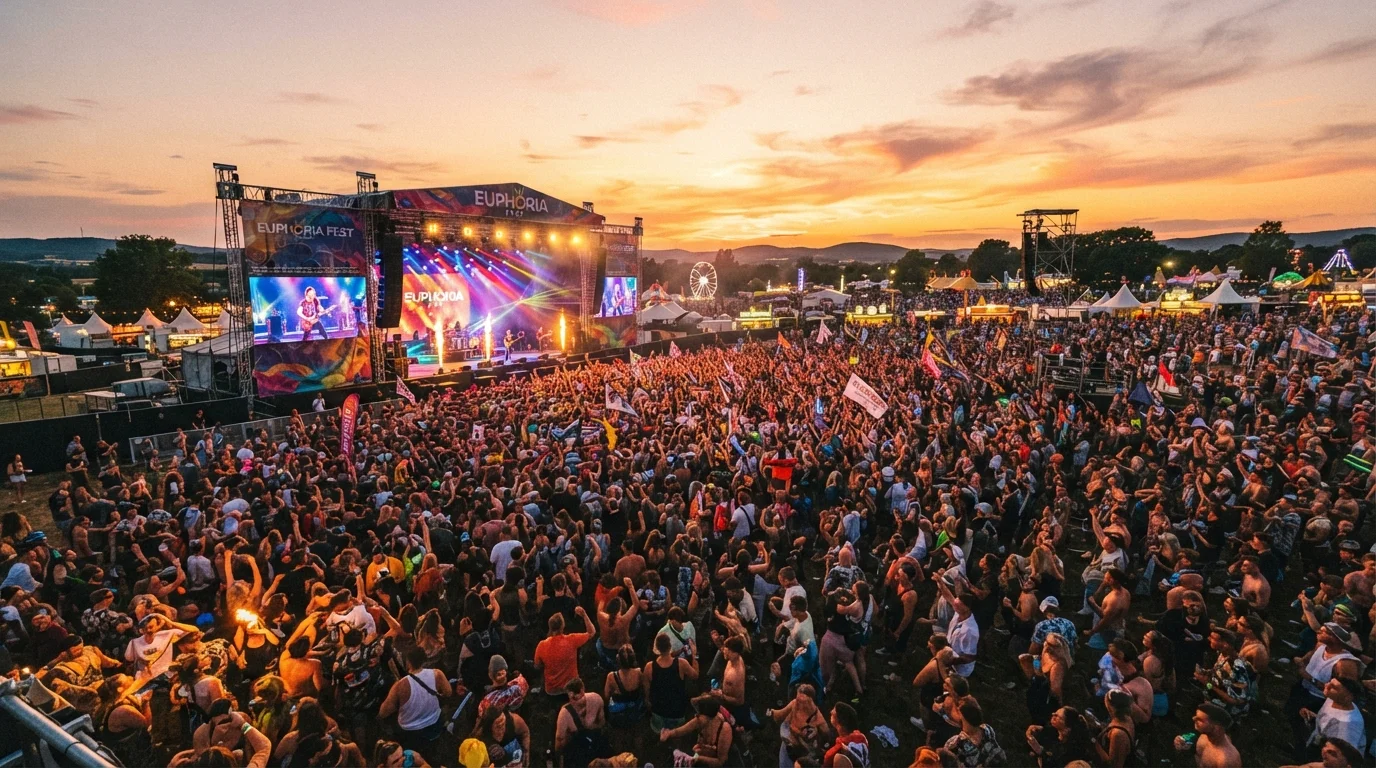
Photo: faqsvault.com editorial
Key Takeaways
- Concerts deliver focused, artist-specific experiences in more intimate settings with better sightlines.
- Festivals offer variety and discovery but require more logistical planning and physical stamina.
- Cost per artist seen is generally lower at festivals, but overall ticket and travel spend is often higher.
- Sound quality and comfort typically favor the single-artist concert format.
- Festivals build a strong social and cultural experience that goes beyond the music itself.
Two Formats, Two Completely Different Nights Out
Live music is one of the great communal pleasures — but not all live music experiences are created equal. Buying a ticket to see your favorite artist at a 2,000-seat theater is a fundamentally different proposition than buying a weekend wristband to a sprawling outdoor festival with 80 acts across six stages. Both are thrilling. Both are worth doing. But understanding what each format actually delivers helps you spend your time and money on the experience that fits your mood, your crew, and your priorities.
The live music industry has seen both formats evolve considerably. Festivals have expanded into massive cultural events that incorporate food, art, and brand activations, while concerts have embraced more theatrical, production-heavy shows. If you want a deeper look at how economics shape what artists do across formats, check out how streaming and physical formats affect artists — it adds useful context to why live performance matters so much to musicians today.
What a Concert Does Well
A traditional concert — whether in a club, theater, arena, or amphitheater — is built around one artist or touring bill. That focus is its greatest strength. You're there for a reason, and the entire night is shaped around delivering that specific experience.
- Sightlines and sound: Smaller and mid-sized venues are engineered around acoustics. Even large arenas typically have professional sound design calibrated for the room. You're not competing with a neighboring stage's bass bleed.
- Set depth: Artists play longer, more complete sets — often 90 minutes to two-plus hours — and can dig into deep cuts, rarities, and extended jams that festival slots simply don't allow.
- Artist intimacy: Even in large arenas, the performer-audience relationship is direct. Artists often speak more candidly, engage the crowd differently, and shape the night around the room's energy.
- Logistical simplicity: One venue. One start time. No schedule conflicts, no map-reading, no tactical decisions about which act to sacrifice.
First-Timer Festival Tip
The tradeoff is discovery. If you already know and love the artist, a concert is deeply satisfying. If you're still building your taste, you're betting the night on a single act.
What a Festival Does Well
A festival's defining feature is abundance — of artists, of people, of experiences happening simultaneously. For curious music fans, that's genuinely exciting. Stumbling onto an unfamiliar act and becoming an instant devotee is one of live music's best surprises, and festivals are built for exactly that moment.
| Concert | Festival | |
|---|---|---|
| Artist focus | Single act or touring bill | Many acts across multiple stages |
| Set length | 90 min – 2+ hours | 30–60 min per act, typically |
| Sound quality | Optimized for the venue | Variable; stage bleed common |
| Logistical complexity | Low — one venue, one time | High — maps, schedules, conflicts |
| Discovery potential | Low — known quantity | High — dozens of acts to explore |
| Social atmosphere | Moderate — shared fandom | High — multi-day communal vibe |
| Physical demand | Low to moderate | High — long days, outdoor elements |
| Overall cost range | Variable; single-night spend | Higher upfront; multi-day value |
- Genre variety: Most modern festivals program across multiple genres, making them particularly welcoming for listeners with eclectic tastes.
- Social atmosphere: The festival environment — camping, shared meals, communal spaces — builds a social texture that a two-hour concert rarely replicates.
- Value per artist: Weekend passes often expose attendees to dozens of acts, which can make the per-artist cost surprisingly reasonable.
- Cultural programming: Many festivals incorporate art installations, talks, and food experiences that transform the event into something larger than a music lineup.
That said, stamina is real. Multi-day festivals demand physical endurance, logistical coordination, and tolerance for crowds, sun, mud, or cold — depending on the season and site.
The Practical Considerations: Cost, Comfort, and Commitment
When you break down the finances, the comparison gets interesting. A premium concert ticket for a major artist can run well over $100 — sometimes several hundred — for a single night. A multi-day festival pass might cost $300–$500 or more, but that covers three days and potentially 40 or 50 acts. Add accommodation, travel, and food costs to either scenario and the gaps narrow or invert depending on your situation.
Comfort is the other variable. Concerts — especially indoor seated or general-admission club shows — tend to be more predictable environments. Festivals, particularly outdoor ones, introduce weather, walking distances, limited seating, and food-line queues. For some attendees, that unpredictability is part of the appeal. For others, it's a dealbreaker.
It's also worth considering how your listening habits shape your expectations. If you engage deeply with specific artists — following their releases, knowing their back catalog — a concert rewards that investment directly. If you're more of a playlist person who enjoys discovery, the festival format mirrors that browsing energy in real life. For context on how fans connect with artists across different formats, the indie vs. major label conversation is worth exploring — it illuminates why the same artist might feel very different depending on the stage they're playing.
Which Experience Should You Choose?
There's no universal answer, but a few guiding questions can sharpen the decision quickly.
- How devoted are you to the headliner? If seeing one specific artist in full is the goal, the concert format will almost always be more satisfying.
- What's your social situation? Festivals tend to work better for groups with mixed musical tastes. Concerts are easier to plan and execute, especially for smaller parties.
- How do you feel about logistics? Festivals reward planners and penalize the unprepared. If you'd rather just show up and be in the moment, a concert is the lower-friction choice.
- What's your energy level? Multi-day festivals are physically demanding. There's no shame in knowing your limits.
The live music experience — in either format — remains one of the most irreplaceable things popular culture offers. Just as cinema and streaming each serve different storytelling needs, concerts and festivals aren't competing for superiority. They're serving different versions of the same fundamental desire: to be moved by music, together.
All published content on this website is for informational and educational purposes only and should not be taken as professional advice. We recommend that readers seek expert opinion before making any decisions. The website is not responsible for any actions taken based on the information provided on this website. We are not liable for any inaccuracies, modifications, or omissions in information. Moreover, external links or third-party content are provided for convenience; we are not liable for their correctness. Users are advised to verify every piece of information before they use it for any purpose.