
Separating the Person from the Persona: How Celebrity Images Are Constructed

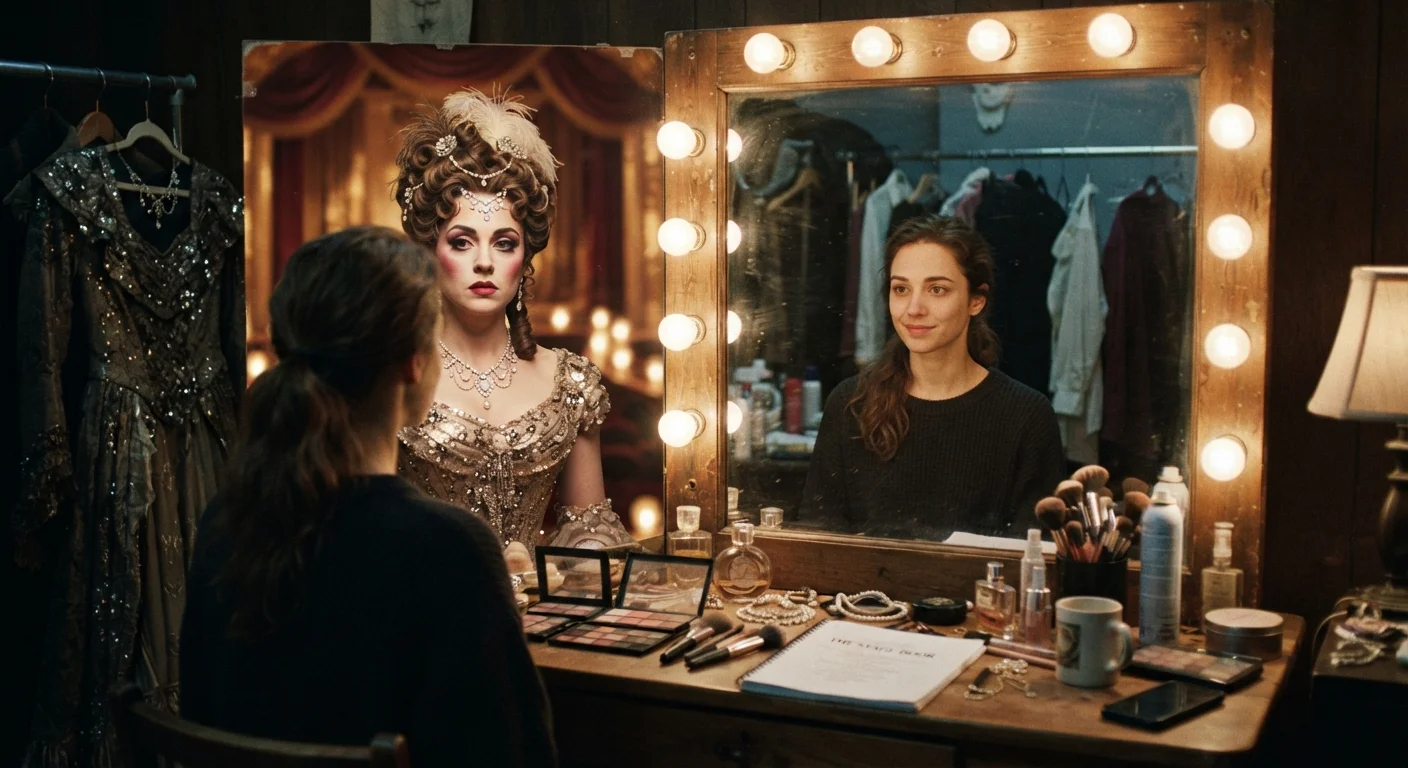
Photo: faqsvault.com editorial
Key Takeaways
- Celebrity identities are deliberately constructed with the help of publicists, managers, stylists, and marketing teams.
- Audiences actively participate in building and reshaping celebrity images through attention, fan culture, and social media.
- The line between authentic self and public persona is intentionally blurry — and that ambiguity is often strategic.
- Media narratives can build or dismantle a celebrity image faster than any PR campaign.
- Understanding persona construction makes audiences more informed consumers of celebrity culture.
The Machine Behind the Magic
When you see a major artist on a late-night talk show being charming and effortlessly cool, you're watching the end product of a significant amount of behind-the-scenes labor. That appearance was probably pitched by a publicist, prepped by a media trainer, styled by a team, and timed to coincide with a release rollout. The warmth feels real — and it might genuinely be — but it's also a performance engineered for maximum impact.
Celebrity image construction is a professional industry. At its core are several key players: publicists who shape media narratives and manage press access; managers who align career moves with long-term brand identity; stylists who ensure visual consistency; and increasingly, social media strategists who craft the day-to-day digital persona. At the top tier of fame, these functions are handled by entire agencies rather than individuals.
The goal isn't deception — it's alignment. Teams work to ensure that every public touchpoint reinforces the same coherent identity. Think of it less like fabrication and more like editing: the raw material is the real person, but the published version is selective and intentional.
“We all present different versions of ourselves in different contexts — the difference with celebrities is that the stakes are higher and the audience is vastly larger. The mechanisms are more elaborate, but the underlying human impulse to manage how others perceive us is universal.”
— Joshua Gamson, Sociologist and author of 'Claims to Fame: Celebrity in Contemporary America'
How Narratives Get Built — and Maintained
Narrative is the engine of celebrity image. The stories told about a public figure — their origin, their struggles, their values — shape audience perception far more than any single appearance. These narratives are seeded through interviews, social media content, authorized biographies, and even the roles an actor chooses to take on.
Consider the classic 'rags to riches' arc, a narrative framework audiences find deeply compelling. It doesn't have to be invented — but it does get strategically amplified. A musician's difficult upbringing becomes a defining story beat. An actor's years of rejection before their breakthrough become part of their brand mythology. The events may be true; the framing is crafted.
Media outlets are co-authors in this process. Entertainment journalism, fan media, and social platforms all interpret and redistribute celebrity narratives, sometimes reinforcing the intended image and sometimes creating alternative stories the team never planned for. This is why public disputes between famous figures are so revealing — they're moments when competing narratives collide in full public view, and audiences get to see the machinery a little more clearly.
The Audience's Role: Co-Creators of Fame
Audiences aren't passive recipients of celebrity images — they're active participants in constructing them. Fan communities interpret, remix, celebrate, and critique public figures in ways that genuinely shape cultural perception. A celebrity can be elevated to icon status by devoted fan bases, or have their image complicated by sustained public criticism, sometimes within the same news cycle.
Social media has accelerated and democratized this process dramatically. Platforms allow fans to interact directly with celebrities, creating an illusion of intimacy that itself becomes part of the persona. When a major artist replies to a fan tweet or shares an apparently unguarded moment, it signals relatability — a quality that has become enormously valuable in modern celebrity culture.
This is where the concept of authenticity in curated personas becomes genuinely complex. Audiences crave realness, so the performance of authenticity — the casual Instagram photo, the emotional award speech, the candid interview moment — has itself become a highly developed craft.
76%
Fans who follow celebrities primarily on social media
A Pew Research Center survey found that a large majority of US adults who follow celebrities do so via social platforms, making digital persona management central to modern fame.
$15B+
Estimated US celebrity endorsement market value
Industry analyses suggest the celebrity endorsement space — built entirely on the power of constructed public image — represents billions in annual brand spending in the US market.
3–5
Average team members managing a top-tier celebrity's image
Entertainment industry accounts suggest that major public figures typically rely on at least a publicist, manager, stylist, and social media handler to maintain their public presence.
When the Persona Cracks
No constructed image holds forever. When the gap between the public persona and the private reality becomes too wide — through leaked information, behavioral contradictions, or simply the passage of time — the image begins to fracture. These moments of rupture are among the most analyzed events in pop culture, and they reveal how fragile celebrity identities actually are beneath the surface.
Sometimes the collapse is sudden: a scandal, a viral video, a public confrontation. Other times it's gradual — audiences simply stop believing the story they're being told. What's striking is how these moments often become cultural turning points. Pop culture flashpoints like these regularly ripple into broader conversations about accountability, identity, and who we choose to celebrate.
The concept of public accountability — including what's casually called 'cancel culture' — is directly tied to persona construction. When an image collapses, audiences and media are essentially re-evaluating the gap between the story they were sold and what they now believe to be true. For a deeper look at how that process actually works in documented cases, separating myth from evidence in cancel culture is worth exploring.
Ultimately, understanding that celebrity images are constructed doesn't diminish them — it makes engaging with them more honest. Appreciating a performer's craft, charisma, and artistry is entirely compatible with recognizing that the version of them you see has been shaped by intention, strategy, and collaboration. That dual awareness is what it means to be a genuinely informed audience.
Frequently Asked Questions
All published content on this website is for informational and educational purposes only and should not be taken as professional advice. We recommend that readers seek expert opinion before making any decisions. The website is not responsible for any actions taken based on the information provided on this website. We are not liable for any inaccuracies, modifications, or omissions in information. Moreover, external links or third-party content are provided for convenience; we are not liable for their correctness. Users are advised to verify every piece of information before they use it for any purpose.