
Becoming a More Active Listener: A Practical Approach

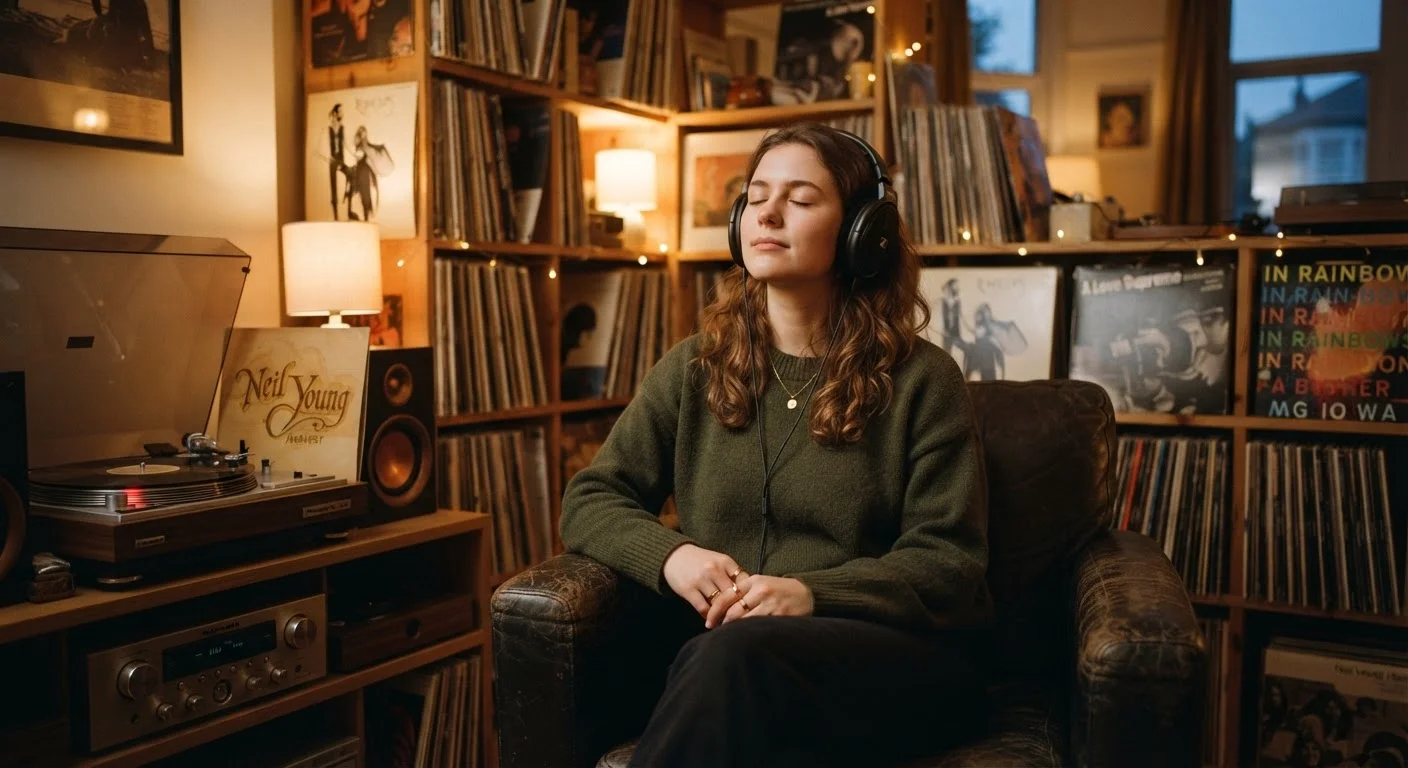
Photo: faqsvault.com editorial
Key Takeaways
- Active listening is a skill anyone can build with deliberate, repeated practice.
- Removing distractions is the single most effective first step toward deeper listening.
- Learning basic music vocabulary dramatically expands what you can hear and appreciate.
- Keeping a listening journal helps you notice patterns and track your growing awareness.
- Focusing on one musical element at a time — rhythm, melody, texture — prevents overwhelm.
Why Most of Us Only Half-Listen
Music is almost everywhere — streaming from phones, piped through restaurants, filling workout sessions and commutes. That ubiquity is wonderful for exposure, but it quietly trains us to treat music as wallpaper. We hear it without really listening to it, in the same way we stop noticing a clock's tick once it becomes familiar.
Active listening is the deliberate opposite of that background-noise mode. It means bringing sustained attention to what's actually happening in a piece of music: the decisions the artist made, the interplay between instruments, the way a song's energy shifts across its structure. It's a skill — not a talent — and like most skills it responds well to deliberate, repeated practice.
The payoff is significant. Music that once felt pleasant but generic starts revealing architecture. Artists you liked casually become artists you understand. Conversations about culture and taste become richer because you have more specific things to say — which connects to the broader challenge explored in this piece on navigating cultural conversations.
Start Simple, Stay Consistent
What You'll Need Before You Start
You don't need a dedicated listening room or audiophile-grade hardware to practice active listening. The prerequisites are modest: a reliable music source, a reasonable way to hear it, and a place where you can sit without constant interruption. A decent pair of closed-back headphones helps enormously by cutting out ambient distractions, but even standard earbuds beat a laptop speaker for focused work.
What you will need
Beyond equipment, the most important thing to bring is intention. Deciding in advance that you're going to listen — not have music on while you do something else — is genuinely half the battle.
Use a Vocabulary Reference While You Listen
Step-by-Step: How to Practice Active Listening
The following steps can be worked through in a single 20–30 minute session. As the habit develops, you'll find the process becomes more natural and requires less deliberate scaffolding.
Choose one track and commit to it fully
Pick a single song — ideally one you find interesting but haven't studied closely. Resist the urge to queue up a whole playlist. Active listening is about depth, not breadth, and one track repeated two or three times reveals far more than a dozen tracks heard once.
Eliminate as many distractions as possible
Put your phone on do-not-disturb mode, close unnecessary browser tabs, and sit in a space that doesn't demand your visual attention. The goal isn't total silence — background ambient sound is fine — but your cognitive bandwidth should be pointed squarely at the music. Even a single notification can break the thread of focused attention.
Listen through once without any agenda
On the first pass, simply let the track wash over you. Don't try to analyze anything yet. Notice your emotional and physical reactions: where does the energy lift? Where does tension resolve? This baseline impression is valuable data for the focused listens that follow.
Isolate one musical element per subsequent listen
On your second and third passes, assign each listen a single focus. Options include:
- Rhythm and groove — tap along; notice where the beat lands and where it gets subverted
- Melody — follow the lead vocal or instrument line without getting distracted by accompaniment
- Harmony and chord movement — listen for tension and resolution, the emotional lift of a chord change
- Texture and layering — try to identify how many distinct parts are playing simultaneously and how they interact
- Dynamics — notice the louds and softs, the swells and withdrawals of energy
Narrowing your focus this way prevents overwhelm and trains your ear to disaggregate a complex mix.
Write down your observations immediately after
Right after your listening session — while impressions are still fresh — jot down three to five specific observations. Avoid vague language like 'it was good.' Aim for precision: the bass line drops out completely in the second chorus, which makes the snare hit feel much harder. Over time, your journal becomes a record of your developing ear and a source of genuine musical insight.
This habit pairs naturally with building a personal music collection. See our guide on building your personal music library for practical ways to organise and expand your listening repertoire.
Build a regular practice into your weekly routine
Like most perceptual skills, active listening compounds over time. Aim for two or three dedicated sessions per week rather than one long marathon. Anchoring the habit to an existing routine — after dinner, during a morning coffee ritual — makes it easier to sustain. Over weeks, you'll notice yourself hearing structural details even during casual, everyday listening.
What to Do When the Habit Sticks
Once active listening becomes comfortable with single tracks, you can expand the practice in a few rewarding directions. Try comparing different recordings of the same song — a studio original versus a live version — and notice what changes and what stays essential. Explore a genre or era you've always found opaque: focused listening often dissolves the wall between 'music I get' and 'music that isn't for me.'
You might also consider organising your growing collection of meaningful recordings. Our guide on building a personal music library offers practical strategies for keeping things manageable as your listening expands. The skills you build here — attention, patience, precise observation — tend to transfer. Listeners who practice active engagement with music often find themselves more present in conversations and more attentive to nuance in other areas of life, which fits naturally into a broader commitment to mind and body wellness.
All published content on this website is for informational and educational purposes only and should not be taken as professional advice. We recommend that readers seek expert opinion before making any decisions. The website is not responsible for any actions taken based on the information provided on this website. We are not liable for any inaccuracies, modifications, or omissions in information. Moreover, external links or third-party content are provided for convenience; we are not liable for their correctness. Users are advised to verify every piece of information before they use it for any purpose.