
Getting Into Film Criticism: What Serious Viewing Actually Involves

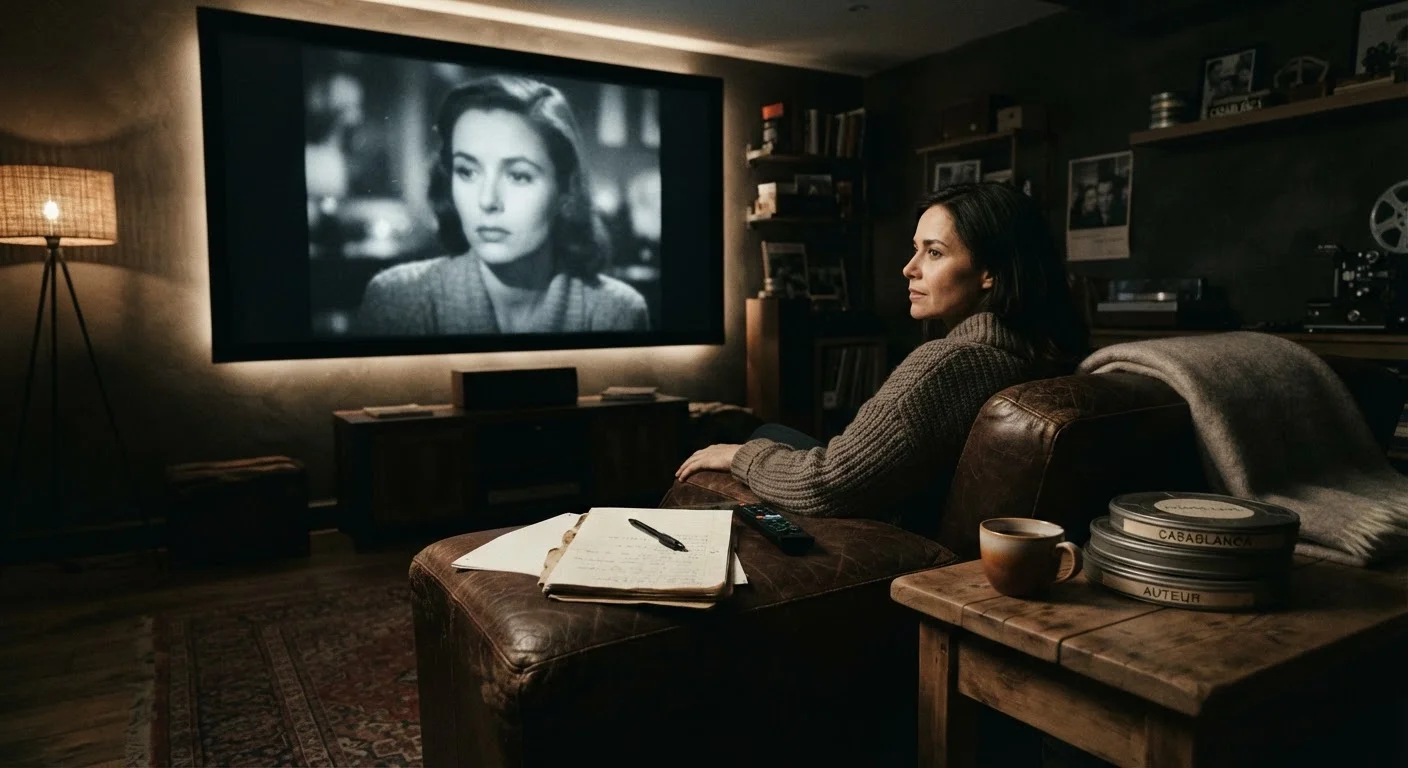
Photo: faqsvault.com editorial
Key Takeaways
- Film criticism is about analysis and context, not simply expressing whether you liked something.
- Learning a core vocabulary — mise-en-scène, cinematography, editing — gives you precise tools for observation.
- Watching actively means pausing, rewinding, and taking notes, not just sitting through a film.
- Reading established critics builds taste and models how structured arguments about film work.
- A personal viewing log helps you track patterns, revisit reactions, and develop a consistent critical voice.
What Film Criticism Actually Is
There's a common misconception that film criticism is just a sophisticated version of giving something a thumbs-up or thumbs-down. In practice, it's something far richer. Criticism is the disciplined effort to understand how a film works, why it makes the choices it does, and what those choices mean within a broader cultural and artistic context.
Critics don't simply react — they observe, compare, and argue. A well-constructed piece of film criticism might examine how a director uses light to suggest psychological states, how editing rhythm shapes emotional pacing, or how a film's themes connect to the historical moment in which it was made. These are learnable skills, not innate gifts.
It's also worth separating criticism from personal taste. You can recognize that a film is rigorously crafted even if it doesn't appeal to you emotionally — and you can articulate why a crowd-pleaser works on its own terms without dismissing it. That intellectual honesty is part of what separates considered criticism from casual opinion.
Mise-en-scène
A French term meaning 'putting on stage' — everything the director places within the frame, including lighting, set design, actor positioning, and costume.
Cinematography
The craft of capturing images on film or digitally, covering camera movement, lens choices, framing, and how light is used to create a visual style.
Montage
The technique of editing separate shots together to create meaning — the juxtaposition of images can suggest ideas or emotions that neither shot conveys alone.
Diegesis
The story world of the film. Diegetic sound exists within that world (a character's dialogue, ambient noise); non-diegetic sound comes from outside it (a film score the characters can't hear).
Auteur theory
The idea that a film's director is its primary creative author, whose recurring themes and stylistic choices can be traced across their body of work.
Genre conventions
The familiar patterns, tropes, and audience expectations that define a particular genre — understanding them lets you spot when a filmmaker is consciously working with or against them.
The Vocabulary You Need First
Before you can write or speak precisely about film, you need a working vocabulary. These aren't buzzwords — they're the shared language critics use to point to specific craft decisions with accuracy.
Start with the foundational terms: mise-en-scène (everything visible within the frame — set design, lighting, actor positioning, costume), cinematography (how the camera captures the image, including lens choice, movement, and exposure), and montage (the art of assembling shots to create meaning through juxtaposition). Understanding these three concepts alone will sharpen how you observe a film.
From there, expand into diegesis (the film's story world — diegetic sound comes from within that world, non-diegetic sound from outside it), narrative structure, and genre conventions. Knowing what a genre typically does allows you to notice when a filmmaker deliberately subverts or honors those expectations — and that noticing is the beginning of real analysis.
Aggregator scores won't teach you this vocabulary — but understanding what those scores actually measure is a useful early lesson. What each rating platform actually measures is a helpful place to calibrate your expectations before diving into critical reading.
How to Watch with Critical Intention
Serious viewing is an active, not passive, experience. That means watching with the pause button available, a notepad nearby, and a willingness to rewatch sequences that puzzled or impressed you.
On a first viewing, let the film breathe — don't interrupt your emotional response, because that response is data. Note the moments that surprise, confuse, or move you. On a second pass, focus on craft: how did the director achieve that effect? What choices in framing, sound, or performance created the reaction you had?
Pay attention to what the camera chooses to show — and what it deliberately withholds. Linger on transitions between scenes, on the way a score enters and exits, on whether the dialogue is doing the emotional work or the image is. These details, invisible when you're simply enjoying a film, become the substance of criticism when you look for them.
Keep a Viewing Notebook
Watching films across formats also changes what you notice. What streaming and cinema each do better is worth reading if you're thinking carefully about how viewing environment affects the experience you're analyzing.
Reading and Writing Your Way In
The fastest way to develop a critical voice is to read critics who already have one — then write about everything you watch. These two habits reinforce each other in ways that no amount of passive viewing can replicate.
Look for critics who write with analytical rigor and stylistic personality. Publications with strong traditions of film criticism — such as Film Comment, Sight & Sound, and the archival work of critics like Pauline Kael, Andrew Sarris, or Roger Ebert — offer models of how arguments about film are constructed. Notice how they deploy evidence from the film itself, how they place individual works within a director's body of work, and how they manage the tension between personal response and analytical distance.
When you write, start small. A paragraph after each viewing is more sustainable than waiting until you have something essay-length to say. Ask yourself: what was this film trying to do, and did it succeed on its own terms? That single question, answered honestly, is the spine of most good criticism.
Expanding your range matters too. The assumptions readers make about foreign-language films is an interesting read for anyone whose viewing has been mostly English-language — broadening your frame of reference directly sharpens your critical perspective.
Building a Viewing History That Works for You
Film criticism benefits enormously from a wide and well-organized viewing history. Platforms like Letterboxd make it easy to log films, write short notes, and track how your responses shift over time — revisiting a film you logged years ago and finding your view has changed is itself a lesson in how criticism evolves.
Don't approach canon-building as an obligation. Watching historically significant films is genuinely useful because they give you shared reference points with other critics and viewers, but curiosity should drive the choices. If you're drawn to a particular director, follow that thread; if a genre intrigues you, go deep. Gaps in your knowledge aren't failures — they're reasons to keep watching.
Over time, patterns emerge: recurring themes you're drawn to, techniques that consistently interest you, genres where your analytical instincts feel most reliable. These patterns are the beginning of a critical identity — a consistent, recognizable perspective that makes your criticism something more than a collection of individual opinions.
Frequently Asked Questions
All published content on this website is for informational and educational purposes only and should not be taken as professional advice. We recommend that readers seek expert opinion before making any decisions. The website is not responsible for any actions taken based on the information provided on this website. We are not liable for any inaccuracies, modifications, or omissions in information. Moreover, external links or third-party content are provided for convenience; we are not liable for their correctness. Users are advised to verify every piece of information before they use it for any purpose.