
Open Source vs. Closed Ecosystems: How the Choice Shapes Your Tech Life

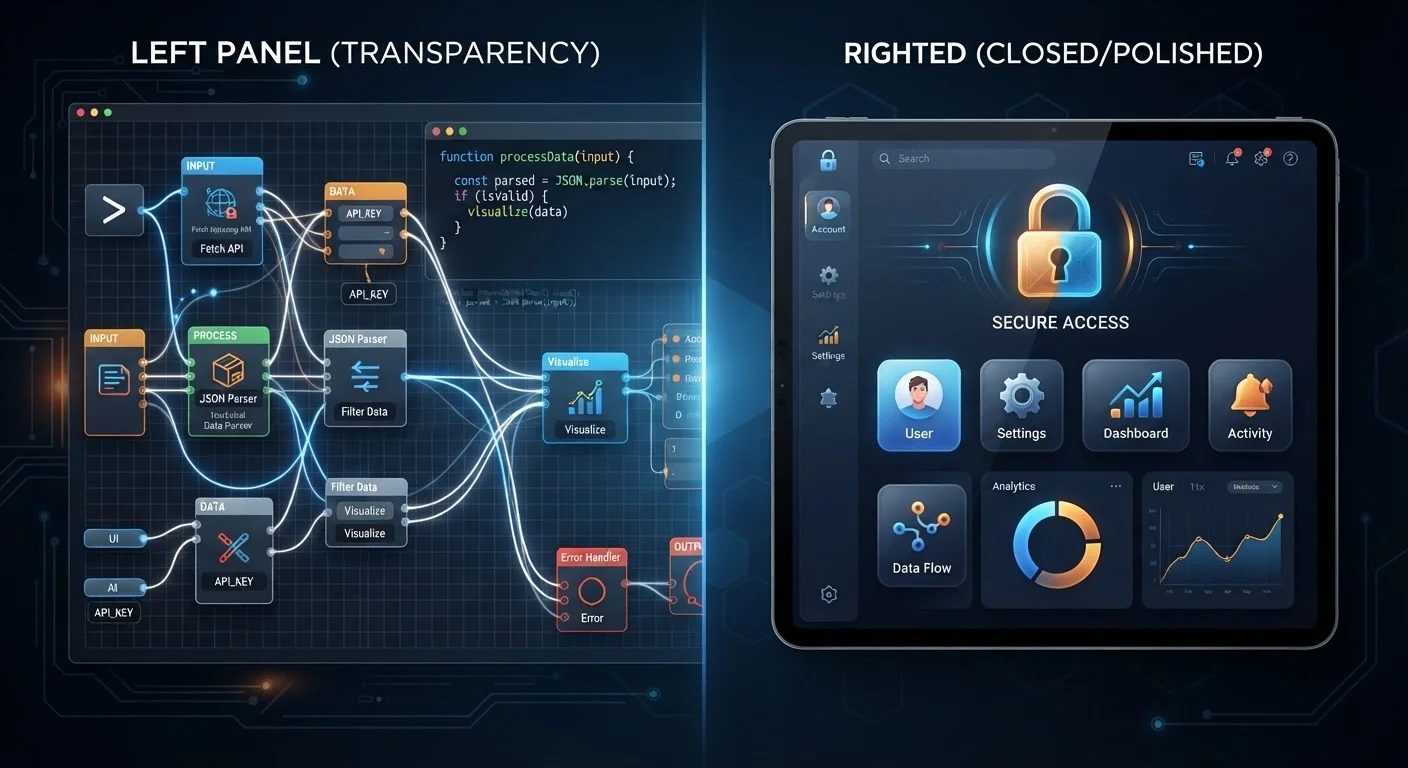
Photo: faqsvault.com editorial
Key Takeaways
- Open source software exposes its code publicly, enabling community auditing and modification.
- Closed ecosystems prioritize seamless integration and polish but limit user control over the software.
- Security works differently in each model — transparency can be a strength or an exposure risk.
- Switching costs are generally higher in closed ecosystems due to proprietary formats and lock-in.
- Many everyday users already interact with both models simultaneously without realizing it.
- Neither approach is universally superior — the right fit depends on your priorities and comfort level.
What These Terms Actually Mean
The phrase open source refers to software whose underlying code — called source code — is publicly available. Anyone can read it, study it, and in most cases modify or redistribute it under specific licensing terms. The Linux operating system, the Firefox browser, and the Android base layer are well-known examples.
A closed ecosystem — sometimes called proprietary software — keeps that source code private. The company that builds the software controls every aspect of it: how it works, what it connects to, and who can modify it. Think of how Apple's iOS tightly governs which apps can run on iPhones, or how certain smart home platforms only work with approved devices.
These aren't just technical distinctions for developers. They shape pricing, security practices, longevity of your tools, and how much freedom you have when you want to switch. As the tech trends of the last decade show, these choices have quietly restructured how billions of people live and work with technology every day.
Security: Transparency vs. Controlled Gatekeeping
Security is where this debate gets genuinely nuanced. Open source advocates argue that publicly visible code means more eyes scrutinizing it for vulnerabilities — a concept sometimes called Linus's Law, which suggests that given enough reviewers, bugs become shallow. When a flaw is found, independent researchers can patch it without waiting for a corporation's release schedule.
Closed ecosystem defenders counter that keeping source code private denies malicious actors a roadmap. A controlled app store, for example, screens submissions before users are exposed to them. There's meaningful truth on both sides.
| Criterion | Open Source Software | Closed Ecosystems |
|---|---|---|
| Code visibility | Publicly readable and auditable | Private, controlled by vendor |
| Customization | High — modifiable by users or community | Low — limited to vendor-approved options |
| Cost | Often free to use | Frequently subscription or purchase-based |
| Vendor lock-in risk | Lower — open standards typical | Higher — proprietary formats common |
| Support structure | Community forums and documentation | Dedicated vendor support channels |
| Update control | User or community-driven pace | Vendor-controlled release schedule |
| Security auditing | Open to independent researchers | Internal or contracted auditing only |
In practice, major open source projects like the Linux kernel receive continuous security auditing from both community volunteers and professional security firms. Closed platforms, meanwhile, have had their share of significant vulnerabilities — but their vendors typically respond through structured, coordinated disclosure processes.
What matters most for everyday users: no software model is inherently bulletproof. Applying updates promptly, using strong credentials, and understanding what permissions your apps request matters more than which camp your software belongs to.
Flexibility, Lock-In, and the Real Cost of Convenience
One of the most tangible differences between these two approaches is what happens when you want to leave. Closed ecosystems often use proprietary file formats, cloud services, and hardware dependencies that make migration genuinely difficult. Switching from one tightly integrated platform to another may mean re-purchasing apps, losing years of stored data structure, or abandoning hardware that won't work elsewhere.
Open source software tends to favor open standards — formats and protocols that any other software can read. This keeps your options wider over time.
That said, flexibility comes with a tradeoff. Open source tools sometimes require more configuration, have less polished interfaces, or depend on community support rather than a dedicated help desk. For users who simply need technology to work reliably without tinkering, a closed ecosystem often delivers a meaningfully smoother experience.
Before adopting any platform — open or closed — it's worth asking the practical questions outlined in this checklist for evaluating new technology. Convenience today can become a constraint tomorrow.
How Most People Already Use Both
The open vs. closed framing can feel abstract until you realize how thoroughly both models are already woven into daily life. Your smartphone may run on Android — which uses an open source core — while being tightly locked to a manufacturer's proprietary apps and services. The website you visited this morning almost certainly ran on open source server software. The document editor you used at work may be part of a closed, subscription-based productivity suite.
Most people don't live purely in one camp. They use a mix, often without conscious choice. Understanding the distinction simply helps you make more intentional decisions — especially when you're evaluating a new tool, a subscription service, or a device that will sit in your home for years.
For guidance on filtering the noise around these choices, reading tech coverage more critically can help you separate genuine signals from marketing language when new platforms make claims about openness or security.
This article is for general informational purposes only. Software landscapes change; readers should verify current features and licensing terms directly with software providers before making decisions.
All published content on this website is for informational and educational purposes only and should not be taken as professional advice. We recommend that readers seek expert opinion before making any decisions. The website is not responsible for any actions taken based on the information provided on this website. We are not liable for any inaccuracies, modifications, or omissions in information. Moreover, external links or third-party content are provided for convenience; we are not liable for their correctness. Users are advised to verify every piece of information before they use it for any purpose.