
Everything That Happens Between an Accepted Offer and Getting Your Keys

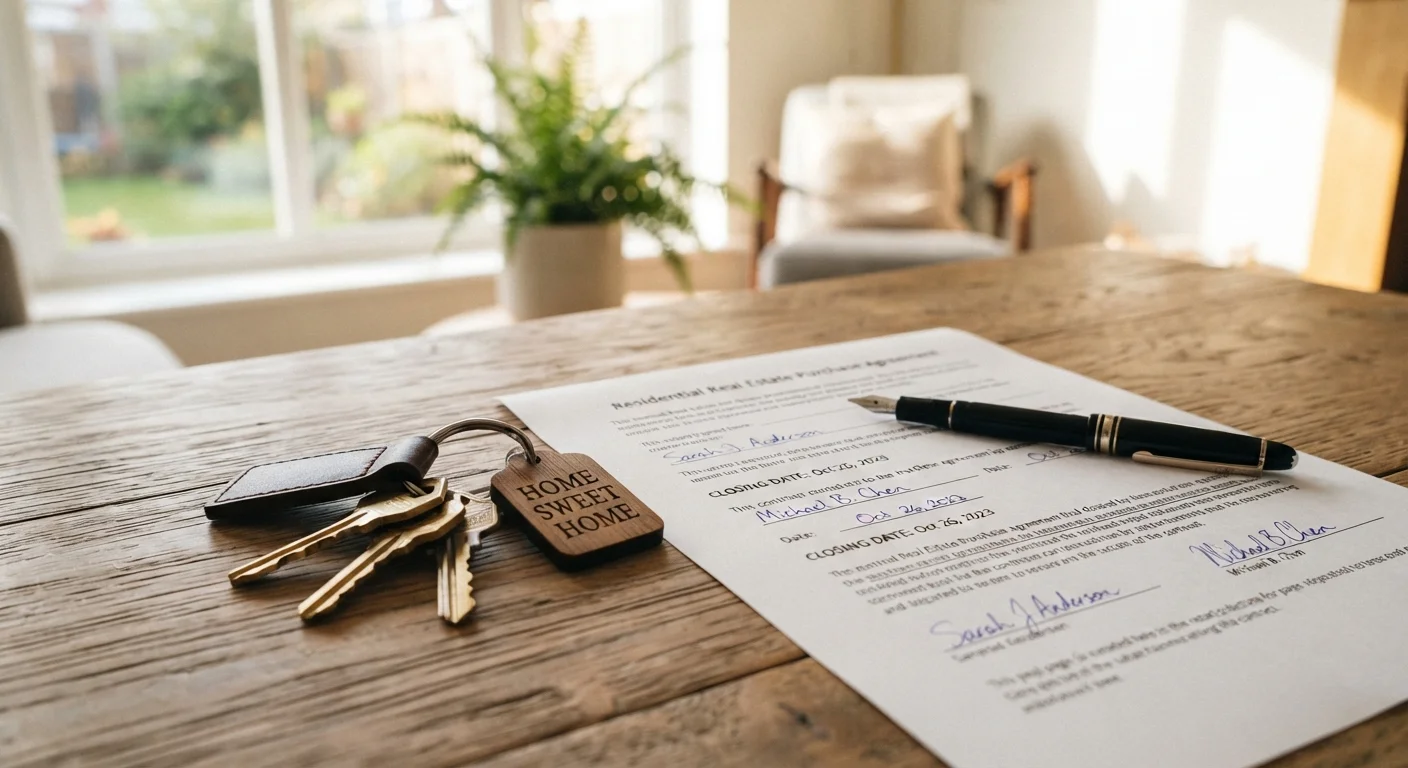
Photo: faqsvault.com editorial
Key Takeaways
- The period between accepted offer and closing typically spans 30 to 60 days and involves multiple parallel processes.
- Earnest money is held in escrow and demonstrates the buyer's commitment; it can be at risk if contingencies aren't managed carefully.
- A home inspection gives buyers leverage to renegotiate or walk away before being legally bound.
- Mortgage underwriting is a common source of delays — avoid major financial changes after your offer is accepted.
- Title insurance protects buyers from ownership disputes tied to the property's history.
- Closing day requires reviewing and signing a significant volume of documents, so arrive prepared.
Why the Period After Acceptance Feels Like a Black Box
For many buyers, especially first-timers, getting an offer accepted feels like the finish line. In reality, it's closer to the starting gun for a second, more complex race. The weeks that follow involve attorneys, lenders, inspectors, title companies, and local government offices — often operating on parallel tracks that the buyer can't fully see.
Understanding each stage reduces anxiety and helps buyers make sound decisions under time pressure. If you're still in earlier stages of the journey, the First-Time Homebuyer's Roadmap covers the full arc from pre-approval through closing. This guide picks up specifically at the accepted-offer moment and walks through every major milestone that follows.
Opening Escrow and the Earnest Money Deposit
Within a few days of a signed purchase agreement, the transaction typically moves into escrow — a neutral holding arrangement managed by a third party (commonly an escrow company or real estate attorney) that safeguards funds and documents until all conditions are met.
At this point, the buyer submits an earnest money deposit (EMD), usually 1%–3% of the purchase price, though amounts vary by market. This deposit signals genuine intent and is credited toward the buyer's total costs at closing. The key risk: if the buyer backs out without a valid contractual contingency, that money may be forfeited to the seller.
Protect Your Earnest Money with Clear Deadlines
Purchase agreements typically include contingencies — built-in exit clauses tied to inspection results, financing approval, and appraisal outcomes. Understanding which contingencies you have, and their deadlines, is essential to protecting your deposit.
The Home Inspection and Negotiating Repairs
One of the earliest and most consequential steps is the home inspection, usually scheduled within the first 7–10 days. A licensed inspector examines the property's structure, roof, electrical systems, plumbing, HVAC, and more. The resulting report can run 30–80 pages.
Buyers then have options: accept the property as-is, request that the seller make specific repairs before closing, ask for a price reduction or credit in lieu of repairs, or — if issues are serious enough — exercise the inspection contingency and withdraw without penalty.
During the inspection negotiation, prioritize asking for credits at closing over completed repairs. Sellers motivated to close quickly often prefer cutting a check rather than managing contractors.
Request your Closing Disclosure at least 48 hours before closing day, review every line item, and flag any fees that differ from your original Loan Estimate.
Before your offer was ever submitted, a solid pre-purchase checklist would have flagged major red flags. For a deeper look at what to verify before committing, see the guide on what to verify before making an offer.
Appraisal, Mortgage Underwriting, and Clear to Close
If the buyer is financing the purchase, the lender will order an independent appraisal — typically after the inspection period. An appraiser assesses the property's fair market value. If the appraised value comes in lower than the purchase price, the lender will only finance up to the appraised amount, leaving the buyer to make up the difference, renegotiate the price, or walk away.
Simultaneously, the lender's underwriting team is reviewing the buyer's full financial picture: income documentation, tax returns, bank statements, credit history, debt-to-income ratio, and the property itself. This process is the most common source of delays. Many buyers underestimate how detailed this scrutiny can be — the mortgage process has more moving parts than most buyers expect.
Don't Make Major Financial Moves During Underwriting
During underwriting, avoid any major financial moves: don't open new credit accounts, make large purchases, change jobs, or move significant sums of money between accounts without your lender's guidance. Any of these actions can trigger a re-review or jeopardize final approval.
Once underwriting is satisfied, the lender issues a Clear to Close — the green light to schedule the closing date.
Title Search, Title Insurance, and the Final Walkthrough
Running parallel to underwriting is the title search, conducted by a title company or attorney. This process examines public records to confirm the seller has legal authority to transfer ownership and that no liens, unpaid taxes, easements, or ownership disputes are attached to the property. For a detailed look at how legal ownership actually moves between parties, see the article on how a property's title is transferred.
Even a clean title search doesn't catch everything — errors in records, undisclosed heirs, or fraudulent past transfers can surface years later. That's why lenders require lender's title insurance, and buyers are strongly encouraged to purchase a separate owner's title insurance policy for their own protection.
In the 24–48 hours before closing, buyers typically conduct a final walkthrough of the property. This is not a second inspection — it's a confirmation that the home is in the agreed-upon condition, agreed repairs have been completed, and no new damage has occurred since the inspection.
30–60
Typical days from accepted offer to closing
Industry standard timelines for financed purchases in the U.S.; cash deals can close significantly faster.
2%–5%
Closing costs as a share of the loan amount
Closing costs cover lender fees, title services, prepaid taxes, and insurance; exact amounts vary by state and loan type.
1%–3%
Typical earnest money deposit range
Earnest money demonstrates buyer commitment and is applied toward costs at closing in most transactions.
Closing Day: What to Expect at the Table
Closing day — also called settlement — is when the transaction becomes legally complete. All parties (or their representatives) gather, typically at the title company, escrow office, or attorney's office. Buyers review and sign a substantial stack of documents, including the Closing Disclosure (a five-page itemized summary of final loan terms and costs), the promissory note, the deed of trust or mortgage, and various lender and government disclosures.
Buyers must bring a government-issued photo ID and payment for closing costs — typically 2%–5% of the loan amount — usually via certified check or wire transfer arranged in advance. Once all signatures are collected, funds are disbursed, and the deed is recorded with the local government, the transaction is complete.
At that point, keys change hands. For a side-by-side comparison of how this process plays out across different deal types, the full walkthrough from agreement to completion offers additional context. The weeks between offer and closing are demanding — but understanding each step transforms the experience from anxious waiting into informed participation.
This article provides general educational information about the homebuying process in the United States. It is not legal, financial, or professional real estate advice. Consult a licensed real estate professional, attorney, and financial adviser for guidance specific to your situation.
All published content on this website is for informational and educational purposes only and should not be taken as professional advice. We recommend that readers seek expert opinion before making any decisions. The website is not responsible for any actions taken based on the information provided on this website. We are not liable for any inaccuracies, modifications, or omissions in information. Moreover, external links or third-party content are provided for convenience; we are not liable for their correctness. Users are advised to verify every piece of information before they use it for any purpose.