
The Costs of Buying Property That Don't Appear in the Asking Price

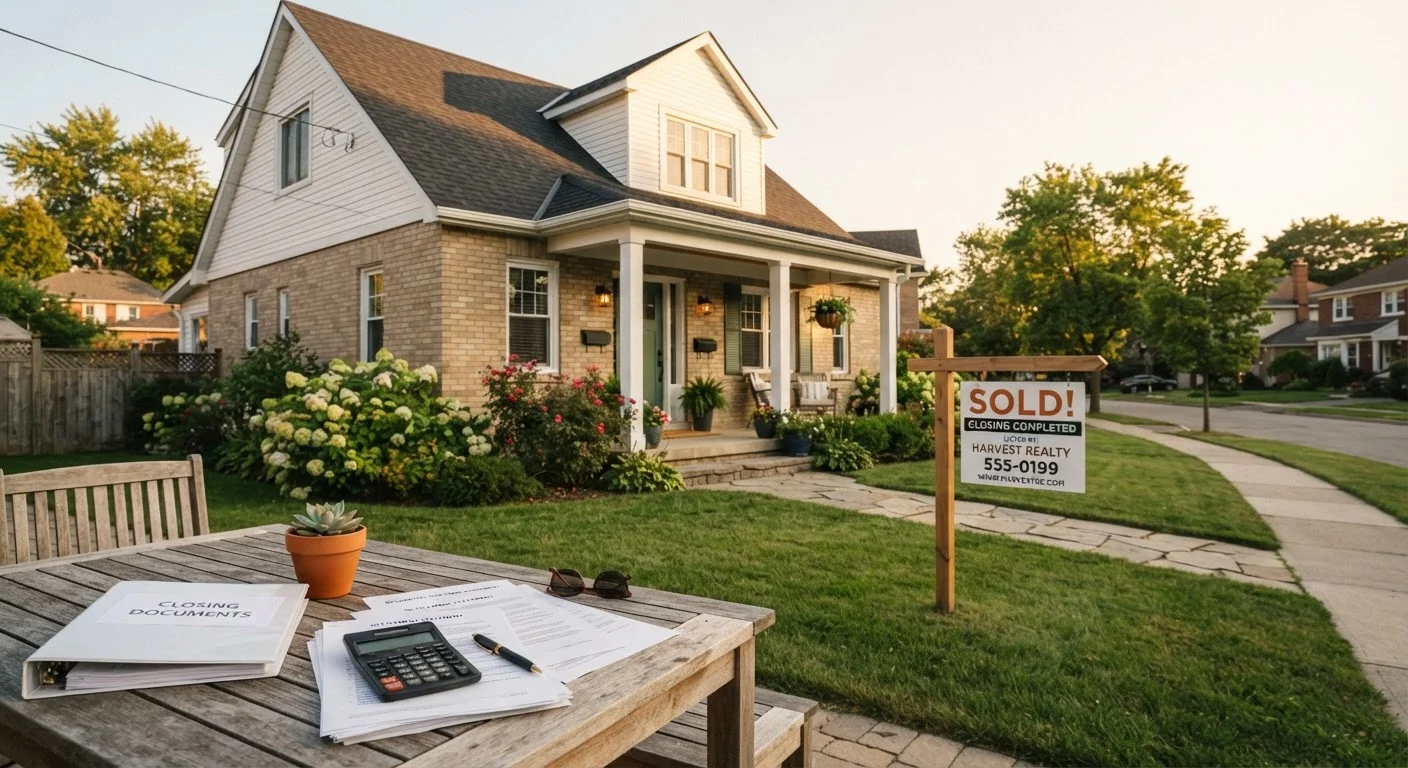
Photo: faqsvault.com editorial
Key Takeaways
- Closing costs and fees can add 2–5% of a home's purchase price on top of the down payment.
- A mortgage lender's valuation is not the same as a buyer-commissioned property survey.
- Title insurance, home inspection, and prepaid expenses are common costs buyers overlook.
- Budget for moving costs, immediate repairs, and utility setup when calculating total purchase expenses.
- Consulting a HUD-1 or Loan Estimate document early helps buyers anticipate actual closing costs.
The Price Tag Is Only the Beginning
Most first-time buyers spend months focused on the asking price — and understandably so. But in practice, the number on the listing is just an entry point. By the time keys are in hand, buyers typically spend significantly more than that figure suggests. According to general industry guidance, closing costs alone often range from 2% to 5% of the loan amount, depending on the state, loan type, and transaction specifics.
That gap between the listing price and what you actually pay can catch buyers off guard, especially when costs appear only days before closing. Understanding these expenses in advance isn't just useful — it's essential for setting a realistic budget and avoiding financial strain. This breakdown walks through the most common costs that don't appear in any listing, so buyers can plan with a clearer picture. For a broader look at the financial realities of ownership beyond closing, see the ongoing costs of homeownership.
Loan Origination and Lender Fees
When a lender processes your mortgage application, they charge for that work. Origination fees — sometimes expressed as a percentage of the loan amount, often around 0.5% to 1% — cover underwriting, processing, and administrative costs. You may also encounter application fees, credit report fees, and rate lock fees depending on the lender.
These costs vary between lenders, which is one reason mortgage professionals recommend getting quotes from multiple sources before committing. The Loan Estimate you receive after applying will itemize these charges clearly, making it easier to compare offers on an apples-to-apples basis.
Origination fees can add hundreds or thousands of dollars before the loan even closes.
Home Inspection Fees
A professional home inspection is one of the most valuable things a buyer can pay for — and it's entirely separate from any lender-required valuation. A licensed inspector examines the property's structural components, roof, electrical systems, plumbing, HVAC, and more, then delivers a written report identifying deficiencies or safety concerns.
Inspection costs typically range from roughly $300 to $600 for a standard single-family home, though larger properties or older homes can push that higher. Specialty inspections — for radon, mold, or pests — add further costs but may be warranted depending on the property's location or age. For a closer look at why buyers often misread this process, what property surveys actually cover.
Skipping an inspection to save a few hundred dollars can lead to thousands in undetected repair costs.
Appraisal Fees
Most mortgage lenders require an independent appraisal to confirm that the property's market value supports the loan amount. This is the lender protecting their collateral — not a service provided for the buyer's benefit. The buyer pays for it regardless.
Appraisal costs generally fall between $300 and $600 for a standard home, though complex properties or rural locations can cost more. If the appraisal comes in below the agreed sale price, it can trigger renegotiation or, in some cases, require the buyer to cover the gap in cash — making the appraisal process consequential beyond its upfront cost.
An appraisal protects the lender's interest, not the buyer's — yet the buyer foots the bill.
Title Search and Title Insurance
Before a property changes hands, a title company or attorney conducts a title search — a review of public records to confirm the seller has clear legal ownership and that no outstanding liens, judgments, or competing claims exist against the property. This service typically costs $200 to $400.
In addition, lenders almost always require the buyer to purchase a lender's title insurance policy, which protects the lender if a title defect surfaces after closing. Buyers can also purchase an owner's title insurance policy for their own protection — a one-time premium that covers the buyer for as long as they own the home. Costs vary by state and property value but are often calculated as a percentage of the purchase price.
Title insurance is a one-time cost that protects against ownership disputes that could arise years later.
Prepaid Expenses and Escrow Deposits
Lenders typically require buyers to prepay certain expenses upfront: homeowners insurance premiums, prepaid mortgage interest covering the days between closing and the first payment due date, and an initial deposit into an escrow account for future property tax and insurance payments.
These are not fees in the traditional sense — the money isn't lost — but they do represent real cash that must be available at closing. Prepaid and escrow costs can add several thousand dollars to closing day expenses depending on when in the year the transaction closes and the property's tax obligations. what the true cost of owning versus renting actually looks like helps put these figures in context.
Prepaid expenses and escrow deposits can add thousands to closing costs even though the money isn't lost.
Transfer Taxes and Government Recording Fees
Many states and municipalities impose a real estate transfer tax when property changes hands, calculated as a percentage of the sale price. Who pays this tax — buyer, seller, or both — varies by state and is sometimes negotiable in the purchase contract. In some states the amount is minimal; in others it can represent a meaningful sum on a higher-priced property.
Recording fees cover the cost of officially registering the transaction with the county or local government. These are generally modest — often $50 to $150 — but are non-negotiable and unavoidable.
Transfer taxes vary dramatically by state and can quietly add thousands to a buyer's closing costs.
Attorney or Settlement Agent Fees
In many states, a real estate attorney must be present at closing to review documents and ensure the transaction is legally sound. Even in states where this isn't legally required, buyers often benefit from independent legal review of purchase contracts, title documents, and loan paperwork. Attorney fees for a standard closing typically range from $500 to $1,500 depending on complexity and location.
Where attorneys aren't customary, a title company or settlement agent may perform similar closing functions — also for a fee. Understanding who handles closing in your state, and what they charge, helps avoid late surprises.
In many states, a real estate attorney at closing is required — a cost often overlooked in early budgeting.
Moving Costs and Immediate Post-Purchase Expenses
Once closing is behind you, the expenses keep coming. Professional moving services for a local move can cost $1,000 to $2,500 or more; long-distance moves run significantly higher. Then there are immediate homeownership expenses: changing locks, setting up utilities, purchasing appliances not included in the sale, and addressing any minor issues flagged during inspection but not covered by the seller.
Buyers who exhaust their savings at closing can find themselves financially stretched in those first weeks of ownership. Building a post-closing reserve — often recommended at 1% to 2% of the home's value — provides a meaningful buffer for expenses that emerge early in ownership.
Draining savings at closing leaves buyers vulnerable to the costs that show up in the first weeks of ownership.
Building a Complete Budget Before You Commit
Once you understand where these costs come from, the next step is accounting for them before you make an offer — not after. Lenders are required to provide a Loan Estimate document within three business days of receiving a mortgage application. This form itemizes expected closing costs and is a useful tool for comparing lenders. Requesting one early gives buyers time to ask questions, negotiate where possible, and adjust their savings target accordingly.
Ask for a Loan Estimate Early
Some closing costs are negotiable or can be rolled into the loan under certain conditions, though doing so affects the total amount financed and the interest paid over time. Others — like government recording fees or transfer taxes — are fixed and non-negotiable. Knowing the difference is part of becoming an informed buyer. For a broader look at how the mortgage process works, the mortgage approval process has more moving parts than most expect.
Buying a home is one of the largest financial decisions most people make. Approaching it with a complete cost picture — not just the asking price — positions buyers to negotiate more confidently, borrow more deliberately, and move in without unwelcome surprises.
This article is for general informational purposes only and does not constitute financial, legal, or tax advice. Consult a qualified professional for guidance tailored to your specific situation.
All published content on this website is for informational and educational purposes only and should not be taken as professional advice. We recommend that readers seek expert opinion before making any decisions. The website is not responsible for any actions taken based on the information provided on this website. We are not liable for any inaccuracies, modifications, or omissions in information. Moreover, external links or third-party content are provided for convenience; we are not liable for their correctness. Users are advised to verify every piece of information before they use it for any purpose.