
Sleep Hygiene Myths That Persist Despite the Evidence

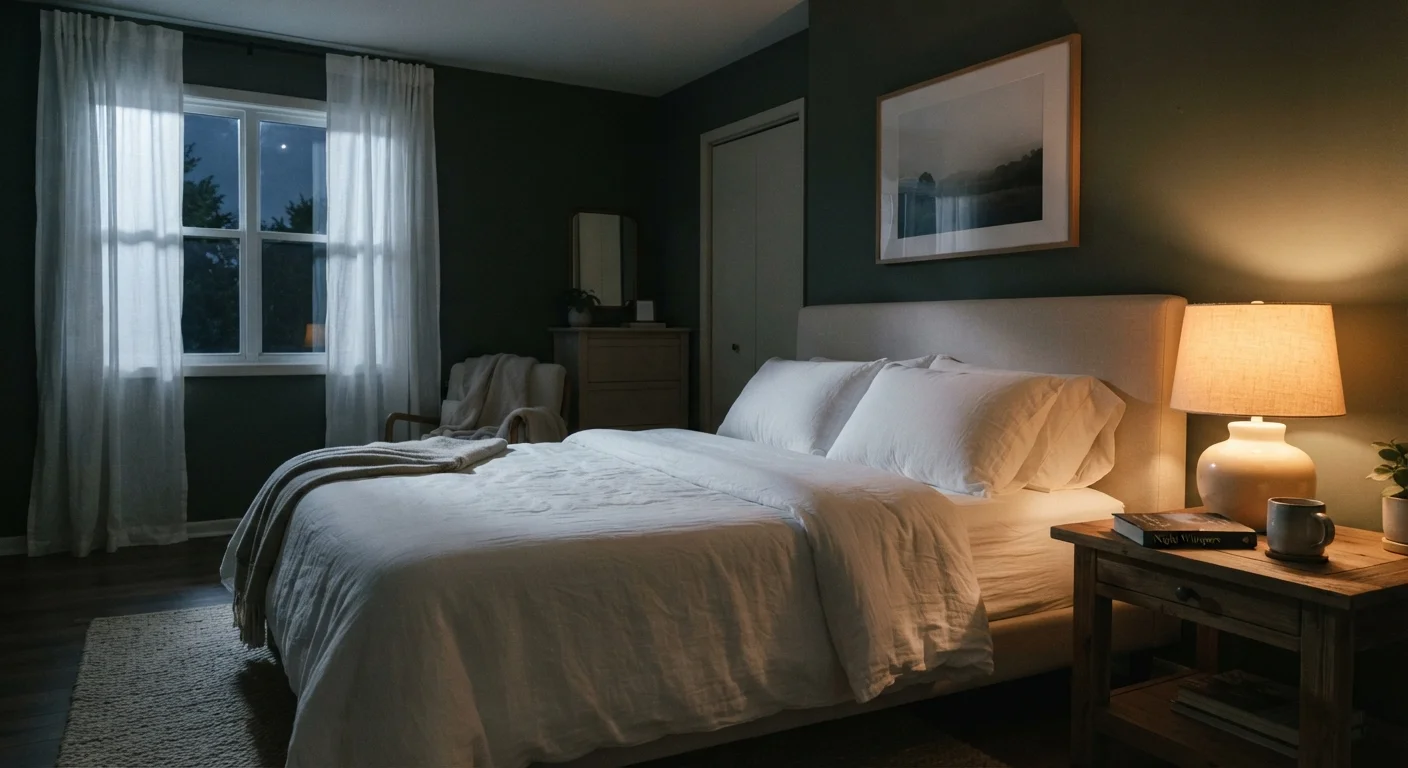
Photo: faqsvault.com editorial
Key Takeaways
- Everyone needs exactly eight hours of sleep is a myth — individual sleep needs vary significantly.
- Napping isn't universally harmful; short naps can support alertness when timed appropriately.
- Catching up on lost sleep over weekends provides limited recovery and may disrupt your rhythm.
- Screen light before bed matters, but stress and irregular timing often play a larger role in poor sleep.
- Alcohol may help you fall asleep faster, but it consistently disrupts deep and REM sleep stages.
Why Sleep Myths Are So Stubborn
Sleep is one of the most universal human experiences, which may be exactly why it attracts so many confident-sounding rules. Everyone sleeps — or struggles to — so everyone has a theory. But decades of sleep research have quietly dismantled a number of beliefs that many people still treat as settled fact.
Understanding where those beliefs break down isn't just interesting — it can genuinely help. Misguided sleep habits can leave people chasing the wrong goals, feeling unnecessarily guilty, or overlooking what's actually disrupting their rest. This article walks through some of the most persistent myths and what current evidence actually suggests instead.
As always, this is general wellness information, not medical advice. If you're dealing with significant or ongoing sleep difficulties, a conversation with a qualified healthcare provider is the most reliable next step.
Myth
Everyone needs exactly eight hours of sleep to function well.
Fact
Most adults need somewhere between seven and nine hours, but the right amount varies by individual — and some people genuinely thrive on slightly more or less.
The eight-hour figure comes from population-level averages, not a universal biological requirement. Research from institutions including the American Academy of Sleep Medicine consistently frames healthy adult sleep as a range — roughly seven to nine hours — rather than a fixed target. Genetics, age, activity level, and overall health all influence how much sleep a specific person needs. Chasing a number rather than paying attention to how rested and alert you actually feel can lead people in the wrong direction entirely.
Myth
Napping is a sign of laziness and always makes nighttime sleep worse.
Fact
Short naps — generally under 30 minutes, taken earlier in the afternoon — can support alertness and performance without meaningfully disrupting nighttime sleep for most people.
The concern about napping usually stems from longer or later naps, which can reduce sleep pressure (the body's drive to sleep) and make it harder to fall asleep at night. But a brief rest in the early-to-mid afternoon is a pattern found in many cultures and has been studied as a legitimate recovery tool. Research on shift workers, students, and athletes has found that short naps can improve reaction time, mood, and cognitive performance. The key variables are duration and timing — not napping itself.
Myth
You can fully recover from a week of poor sleep by sleeping in on weekends.
Fact
Weekend sleep extension offers only partial recovery; some cognitive deficits from sleep loss persist, and irregular schedules can disrupt your circadian rhythm further.
The idea of "sleep debt" is real — the body does accumulate a deficit when sleep is cut short — but research suggests that recovery is neither immediate nor complete after just a weekend. Studies have found that performance on attention and reaction-time tasks can remain impaired even after recovery sleep, and that the habit of sleeping very differently on weekends versus weekdays (sometimes called social jetlag) is itself associated with poorer sleep quality over time. Consistency in sleep timing appears to support the body's internal clock more reliably than irregular catch-up attempts.
Myth
Alcohol helps you sleep because it makes you feel drowsy.
Fact
Alcohol may reduce the time it takes to fall asleep, but it suppresses REM sleep and increases awakenings in the second half of the night, leaving sleep less restorative overall.
This myth persists partly because the sedative effect of alcohol is real and immediate. The problem is what happens later. As the body metabolizes alcohol, sleep becomes lighter and more fragmented. REM sleep — the stage most associated with memory consolidation and emotional processing — is disproportionately reduced. Even moderate alcohol consumption close to bedtime has been shown in multiple studies to degrade overall sleep quality, even when total sleep time looks adequate on a tracker or log.
Myth
Blue light from screens is the main reason people struggle to sleep at night.
Fact
Screen light can affect melatonin timing, but psychological stimulation, stress, and irregular sleep schedules are typically stronger contributors to sleep difficulties.
The blue-light narrative has some foundation — light in the blue spectrum can suppress melatonin, a hormone involved in signaling nighttime to the body. But research increasingly suggests that the mental engagement of scrolling, playing games, or reading emotionally activating content may matter more than the light itself. Studies comparing blue-light-blocking glasses with screen abstinence have found mixed results, and researchers have noted that anxiety, stress, and inconsistent bedtimes tend to be more powerful predictors of sleep onset difficulty. Limiting screens before bed is still a reasonable habit — just not a complete solution on its own.
What Sleep Science Actually Tells Us
One pattern running through sleep research is that individual variation is the rule, not the exception. Sleep need, chronotype (whether you're naturally a night owl or an early riser), and the way the body recovers from sleep loss all differ meaningfully from person to person. That's why sweeping universal rules tend to fall apart under scrutiny.
Another recurring theme is that sleep quality and sleep architecture — the way your body cycles through light sleep, deep sleep, and REM sleep — often matter more than raw hours alone. Two people logging the same amount of time in bed can have very different restorative outcomes depending on how their sleep is structured and how many times they wake.
If you're curious about what happens in the brain and body when you rest, our look at why rest feels productive unpacks the biology behind downtime in more detail. And if you've noticed that your energy levels seem confusing or inconsistent, understanding how people misread their own energy may offer some useful perspective.
1 in 3
US adults not getting enough sleep
According to the CDC, approximately one in three American adults report regularly sleeping less than the recommended seven hours per night.
~30 min
Nap duration associated with cognitive benefit
Research on napping consistently finds that naps shorter than 30 minutes tend to improve alertness without producing significant sleep inertia or disrupting nighttime sleep.
Sleep myths share a lot in common with other wellness misconceptions — the same kind of pattern shows up in popular nutrition myths and even in beliefs about willpower. In each case, oversimplified rules persist long after research has added meaningful nuance.
The most practical takeaway from sleep science isn't a single number or a rigid bedtime protocol — it's that paying attention to how you feel after sleep, keeping a reasonably consistent schedule, and addressing sources of stress or anxiety are among the most well-supported habits for better rest. Small, sustainable adjustments tend to outperform dramatic overhauls, and building a morning routine that sticks is one concrete place where consistent sleep timing can start to pay off.
This article is for informational purposes only and is not a substitute for professional medical advice, diagnosis, or treatment. If you have concerns about your sleep or health, please consult a qualified healthcare professional.
All published content on this website is for informational and educational purposes only and should not be taken as professional advice. We recommend that readers seek expert opinion before making any decisions. The website is not responsible for any actions taken based on the information provided on this website. We are not liable for any inaccuracies, modifications, or omissions in information. Moreover, external links or third-party content are provided for convenience; we are not liable for their correctness. Users are advised to verify every piece of information before they use it for any purpose.