
How TV Pilots Actually Get Made — From Script to Screen

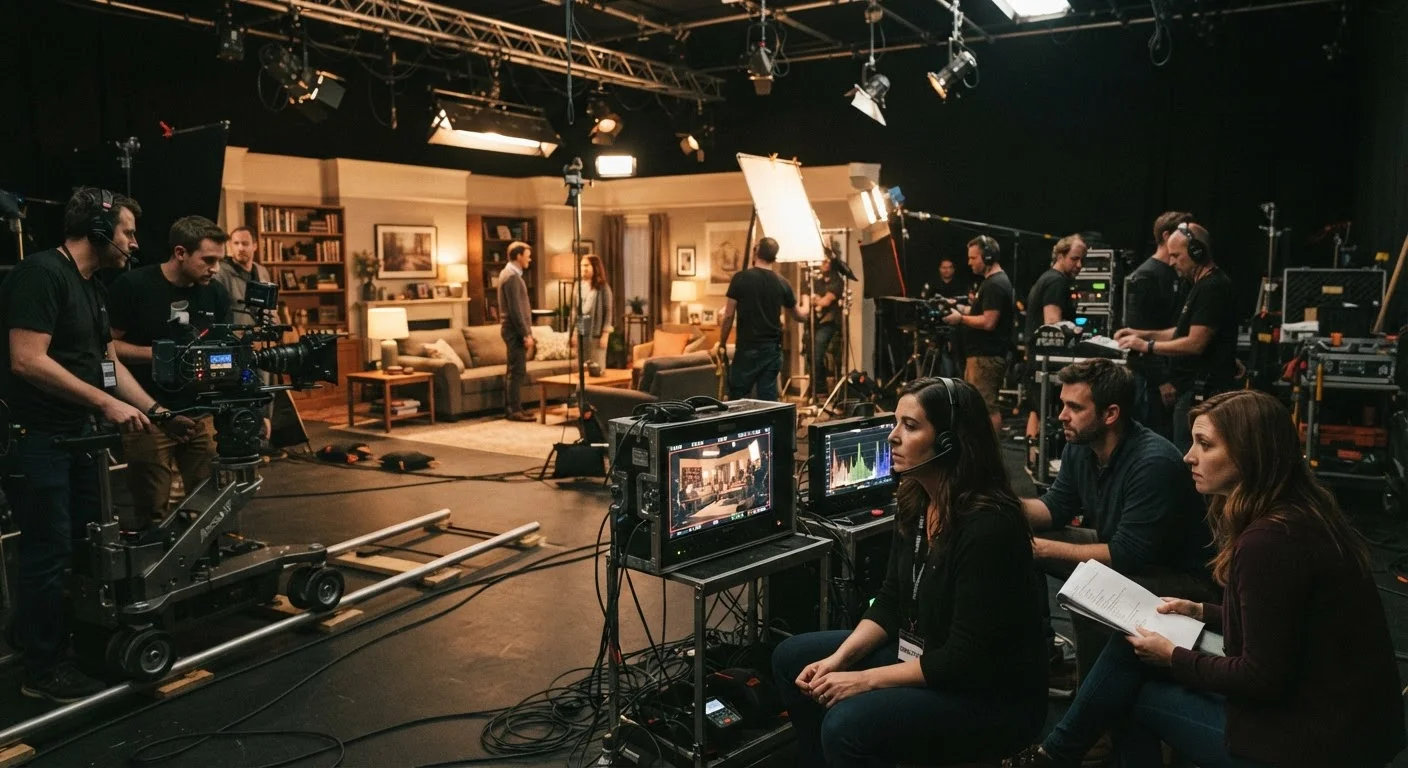
Photo: faqsvault.com editorial
Key Takeaways
- A TV pilot travels through multiple development stages before a single frame is filmed.
- Networks and streamers typically order many pilots but greenlight only a fraction for series.
- The showrunner plays a central role in shaping a pilot's creative and logistical execution.
- Pilot budgets are often significantly higher than a typical episode of the resulting series.
- Casting, tone, and pacing decisions made in the pilot lock in the show's identity for years.
Why the Pilot Process Is More Complex Than It Looks
Most viewers experience a pilot as the first episode of a show they either click with or don't. But behind that single hour — or half-hour — of television lies a development pipeline that can stretch across years, involve dozens of creative and business decision-makers, and cost tens of millions of dollars before a series ever reaches an audience.
Understanding how pilots get made reframes the way you watch television. That slightly different look a show has in its first episode compared to its third season? That's often a direct result of production decisions made under pilot conditions. That character who disappeared after episode two? Probably recast after test audience feedback. The pilot process is, in many ways, the most consequential creative moment in a television series' life.
What you will need
Below, we walk through the full journey — from the first words on a page to the greenlight call that launches a series into production.
Spec Script or Original Pilot Script
The written blueprint for the proposed show — typically 45–60 pages for a drama, 22–30 for a comedy.
Literary Manager or Agent
Represents the writer and helps get the script in front of the right development executives.
Showrunner
The writer-producer who oversees all creative and operational aspects of the pilot and series.
Pilot Budget
Funding allocated specifically for the pilot episode, which often runs 2–3 times higher than a typical episode.
What Happens After the Greenlight
Once a series order is confirmed, the work of building a sustainable production begins in earnest. The writers' room expands, episode scripts are drafted on a rolling basis, and the physical infrastructure of the show — standing sets, wardrobe departments, post-production pipelines — is locked in. Many of the creative choices that feel definitive by a show's second or third season were actually negotiated, tested, and occasionally fought over during the pilot phase.
Pilots Don't Guarantee a Series
For viewers interested in going deeper on how these structural decisions play out creatively, it's worth thinking about what the pilot's format signals. A limited series and an ongoing drama are built with entirely different storytelling philosophies in mind — and those differences often surface in how the pilot itself is constructed and paced.
Watch Pilots as Creative Documents
All published content on this website is for informational and educational purposes only and should not be taken as professional advice. We recommend that readers seek expert opinion before making any decisions. The website is not responsible for any actions taken based on the information provided on this website. We are not liable for any inaccuracies, modifications, or omissions in information. Moreover, external links or third-party content are provided for convenience; we are not liable for their correctness. Users are advised to verify every piece of information before they use it for any purpose.